
Living with an unpredictable bladder can feel like you are constantly walking on eggshells. Bladder problems are incredibly common, yet they remain one of those frustrating topics people hesitate to discuss openly. From the sudden, sharp burning of Urinary Tract Infections (where invasive bacteria attack the urinary system) to the chronic, nagging ache of Interstitial Cystitis (a complex condition causing severe pelvic and bladder pain), these issues are deeply disruptive. And for some, the primary struggle is simply an overactive bladder that demands frequent, urgent trips to the bathroom, dictating their entire daily schedule.
When navigating these sensitive conditions, what we put in our mouths plays a massive role in our daily comfort. It is well-documented that certain foods and beverages act as direct triggers, making bladder problems significantly better or agonizingly worse.
This dietary tightrope leads many people to scrutinize their everyday ingredients. We naturally question the spicy foods, the acidic fruits, and the caffeine. But what about the quiet, foundational ingredients we cook with every single day? This brings us to a highly debated question in the urological community:
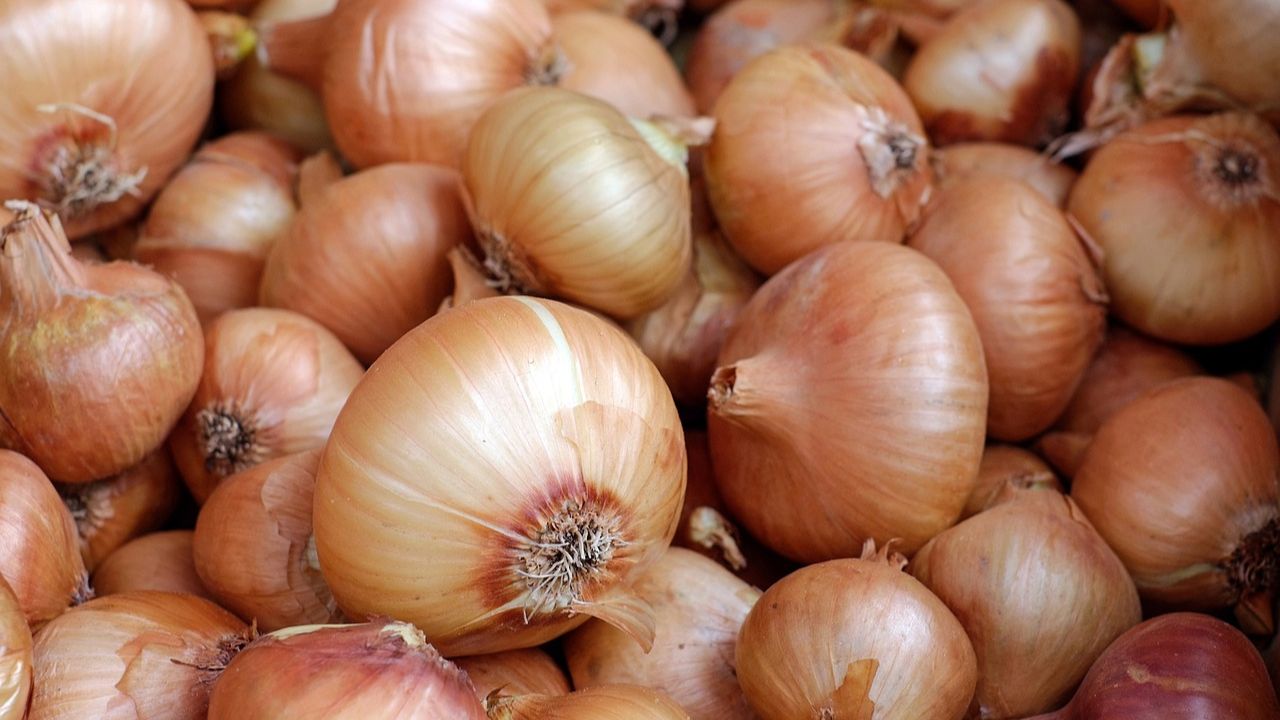
Can onions cause bladder problems?
In this post, we are going to unpack exactly how eating onions links to bladder health, flare-ups, and irritation. But before we single them out as a culprit, we have to acknowledge a complex paradox: onions are an undeniable nutritional powerhouse.
There is no doubt that onions are one of the most common vegetables on the planet, serving as the aromatic flavor base for nearly every savory dish around the world. And from a purely nutritional standpoint, they are incredibly good for you.
So, if they are undeniably great for our hearts, our blood, and our immune systems, why do they have such a complicated reputation when it comes to our bladders? Let’s break down the science of what happens when onions hit your urinary tract.
The Science of Irritation: Onions and the Bladder
For thousands of years, the humble onion has been revered not just as a culinary staple, but as a medicinal powerhouse. In various ancient cultures, onions were prescribed to treat stubborn colds, improve sleep quality, and even ward off bad spirits. But when we strip away the folklore and look at onions through a strict scientific lens, we uncover the true chemical culprit behind your bladder discomfort: sulfides.
Sulfides are highly volatile, natural organic chemicals. They are exactly what gives an onion its unmistakably strong, pungent smell and its sharp, biting taste. While these sulfur-rich compounds are responsible for many of the cardiovascular benefits we discussed earlier, they are also inherently acidic and potentially irritating to sensitive tissues.
“When these acidic sulfide compounds are filtered through your kidneys and enter your urine, they sit directly against the fragile lining of your bladder. For a healthy bladder, this might go unnoticed. But for a compromised bladder, it’s like pouring lemon juice on a paper cut.”
How This Translates to Symptoms
When the bladder lining (the urothelium) becomes irritated by these compounds, the surrounding nerves go on high alert. This nervous system misfire can cause the bladder muscle to spasm prematurely. The result? You might experience symptoms like a sudden, intense need to urinate, an uncomfortable pressure in your lower pelvis, or a noticeable increase in how often you are running to the restroom.
Urological experts and clinical dietitians have heavily researched how trigger foods affect conditions like Overactive Bladder (OAB). They’ve consistently found a massive difference in how the body processes an onion based on its preparation. According to Healthline, a highly respected medical information database, onions are a known dietary trigger that can drastically increase the urge to urinate—but they note that raw onions are almost always the primary issue. (Ref 1)
Ultimately, everyone’s body is a unique chemical laboratory. While one person might eat a raw red onion salad with zero urinary consequences, another might find that just a few slices trigger an agonizing flare-up. It all comes down to your individual tolerance levels.
Managing Onion Intake: A 4-Step Action Plan
You don’t necessarily have to banish onions from your kitchen forever. If you suspect they are contributing to your bathroom woes, here is a strategic, step-by-step approach to reclaiming your comfort:
Before you make any drastic changes, prove the theory. Start keeping a simple daily food diary. Write down exactly when you eat onions (and whether they were raw or cooked), and track your bladder symptoms for the following 12 hours. Look for patterns: Do you experience pelvic pressure or frequent urges shortly after eating them? If yes, you have found your trigger.
If you find onions are a problem, you don’t have to quit them cold turkey. Cooking is your best friend. The application of heat breaks down and neutralizes the harsh, acidic sulfide compounds. Try thoroughly sautéing, caramelizing, or roasting your onions until they are soft and translucent. This dramatically reduces their irritating potential. Also, try mixing them heavily with other foods rather than eating them as a standalone side dish.
If even cooked onions cause a flare-up, it is time to pivot. You can still build incredible flavor profiles in your meals without the harsh effects using these bladder-friendly swaps:
- 🧅 Leeks and Chives: They belong to the same family but possess a significantly milder chemical profile that is much gentler on the urinary tract.
- 🫑 Bell Peppers: A fantastic, non-acidic way to add crunch and aromatic depth to a savory base (like a mirepoix).
- 🌿 Fresh Herbs: Heavy reliance on basil, parsley, oregano, and cilantro can entirely mask the absence of onion in a recipe.
If you accidentally eat something that triggers you, don’t panic. Increase your intake of plain, filtered water immediately. This helps dilute the urine, flushing the irritating sulfides out of your bladder faster. Additionally, brewing a mild, non-caffeinated herbal tea—like chamomile or peppermint—can naturally soothe the inflamed tissues of the bladder wall.
Conclusion: You Are In Control
Managing how much onion you eat, altering how you prepare it (always choose cooked over raw!), and finding suitable herbal alternatives can drastically reduce the severity of your bladder problems.
Remember, there is no universal “bladder diet.” What works perfectly for one person may cause a flare-up in another. The most important step you can take is to listen closely to your own body, identify your unique triggers, and adjust your plate accordingly to reclaim your comfort.