
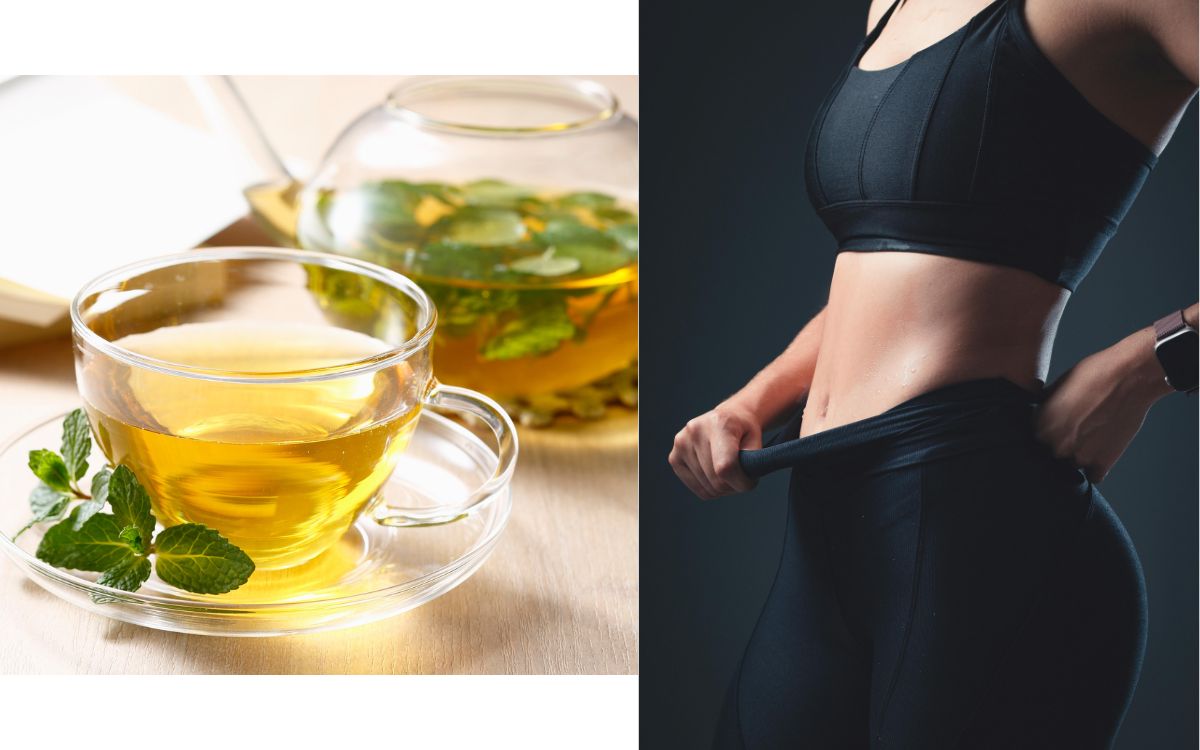
Let’s be real, the question on everyone’s mind is a simple one: can slimming tea help you lose weight? You’ve seen the ads. The impossibly toned influencers, the “before and after” photos that look like magic, the promise of a flatter stomach just by sipping something that smells like a meadow. I saw them too.
And I’ll admit, I was tempted. So, I decided to go beyond the hype and the horror stories. I spent a month diving into the world of slimming teas, talking to nutritionists, reading the science (and the fine print), and yes, drinking the stuff myself. What I found was… complicated.
This isn’t just another article listing ingredients. This is a journey into the heart of a multi-billion dollar industry. We’re going to talk about what these teas actually do in your body, the not-so-pretty side effects nobody mentions in the ads, and whether that quick fix is worth the long-term cost.
So, grab your favorite mug (whatever’s in it), and let’s get into it.
What Exactly Is Slimming Tea? 🤔
First things first, let’s strip away the marketing gloss. When we talk about “slimming tea,” we’re usually referring to one of two things:
-
Herbal Blends: These are the pretty boxes you see in health food stores. They’re typically a mix of herbs like dandelion, nettle, hibiscus, and lemongrass. The idea here is gentle support—aiding digestion, maybe giving you a slight nudge in the right direction.
-
The “Big Guns” (Laxative/Diuretic Teas): This is where things get serious. These often contain potent herbs like senna, cascara sagrada, or even a hefty dose of caffeine from green tea or guarana. These aren’t just sipping teas; they’re active compounds designed to make your body… well, expedite things.
Most of the teas marketed aggressively for rapid weight loss fall into the second category. They’re the ones with the dramatic testimonials and the often-hidden caveats. The promise of the best tea for weight loss and belly fat is usually tied to these powerful, and sometimes problematic, ingredients.
Think of it this way: one is a gentle stroll through the park, the other is a rollercoaster that might make you want to get off halfway through. It’s crucial to know which one you’re buying.
How Does Slimming Tea Actually Work? (Spoiler: It’s Not Magic)
Okay, so you drink the tea. What happens next? The mechanism isn’t some mystical fat-melting process. It’s far more straightforward, and understanding this is key to managing your expectations.
The Laxative Effect: The Illusion of Weight Loss
This is the big one. Herbs like senna stimulate your colon, forcing it to contract and move its contents out more quickly. The “weight” you lose on the scale after a strong cup of this tea is primarily water weight and, well, the actual contents of your digestive tract. It’s not fat loss.
It creates an illusion. You feel lighter, your stomach might appear flatter temporarily because it’s emptier, but the fundamental composition of your body hasn’t changed. It’s like cleaning out your closet and declaring you’ve solved your shopping addiction. The underlying issue is still there.
The Diuretic Effect: Flushing Water, Not Fat
Many of these teas that boost your metabolism also contain diuretic herbs like dandelion or parsley. These make your kidneys release more water, leading to more frequent trips to the bathroom. Again, the number on the scale drops, but it’s just water. The moment you rehydrate (which you absolutely should), that weight comes right back.
The Caffeine Kick: A Tiny Metabolic Nudge
This is the one component with some legitimate, albeit modest, science behind it. Green tea, oolong tea, and yerba mate contain caffeine and compounds like EGCG (epigallocatechin gallate). Together, these can slightly increase your metabolic rate and promote fat oxidation—meaning your body might tap into its fat stores a little more easily.
But—and this is a massive “but”—the effect is small. We’re talking about burning an extra 50-100 calories a day. That’s roughly the equivalent of a brisk 10-minute walk. It’s a helpful nudge, not a miracle.
My Personal 30-Day Tea Experiment: The Good, The Bad, and The Ugly
I decided to test two popular types: a gentle “all day slimming tea” blend and a more potent “detox” tea with senna. I didn’t change my diet or exercise routine, wanting to isolate the tea’s effects.
Week 1-2: The “Gentle” Blend
This was a mix of green tea, hibiscus, and ginger. I drank a cup every afternoon.
-
The Good: It was pleasant! A nice ritual. I did feel less bloated after meals. The small amount of caffeine provided a gentle, non-jittery focus. I could see this being a sustainable habit.
-
The Bad: The scale didn’t move. Not a pound. It was a stark reminder that a mild herbal tea to lose weight is more about supporting healthy habits than creating dramatic change.
Week 3-4: The “Potent” Detox Tea
This one had senna leaf front and center on the ingredient list. The instructions said to drink one cup before bed.
-
The “Good” (Initially): The next morning, the scale was down two pounds. I felt… emptier. For about an hour, I felt a sense of “lightness” that was admittedly appealing.
-
The Ugly (Very Quickly): The cramps started around mid-morning. They weren’t debilitating, but they were uncomfortable. The subsequent trip to the bathroom was… efficient. Let’s leave it at that. This pattern continued. I felt dehydrated no matter how much water I drank. By day five, I felt weak and irritable. My energy was shot. I was losing water and electrolyte weight, not fat, and my body was screaming at me for it.
The Verdict: The gentle tea was a nice, harmless addition. The potent tea was a punishing, unsustainable shortcut that made me feel worse, not better. It answered the question “does slimming tea actually work?” with a resounding “Not in any healthy or lasting way.”
Let’s Get Real: The Side Effects You NEED to Know About 😟
This is the part the slimming tea official website often buries in tiny font. Those powerful ingredients are not to be trifled with.
| Potential Side Effect | What It Feels Like & Why It Happens |
|---|---|
| Stomach Cramps & Diarrhea 🤢 | This is the most common complaint. Herbs like senna violently stimulate your bowels, leading to painful gas, bloating, and urgent, watery diarrhea. It’s your digestive system in distress. |
| Dehydration 🥵 | Constant diarrhea and the diuretic effect flush out massive amounts of water and essential electrolytes like potassium and sodium. This can lead to dizziness, headaches, and severe fatigue. |
| Laxative Dependency 🔄 | This is the scariest one. If you use stimulant laxatives regularly, your colon can forget how to function on its own. You become dependent on the tea to have a bowel movement. Reversing this can take months and requires medical help. |
| Nutrient Malabsorption 🥗 | When food is rushed through your system, your body doesn’t have time to absorb all the precious vitamins and minerals from it. Over time, this can lead to deficiencies. |
| Sleep Disruption & Jitters 🥱 | The high caffeine content in some blends can cause anxiety, heart palpitations, and insomnia, especially if drunk in the evening. |
It’s not just about discomfort; it’s about causing real, sometimes long-term, harm to your body’s natural rhythms.
A Better Brew: Finding the Actual Best Herbal Tea for Weight Loss Support
So, if the aggressive “detox” teas are off the table, what should you be drinking? The real value of tea lies in using it as a supportive tool within a healthy lifestyle. The goal isn’t punishment; it’s nourishment.
Here are some fantastic, gentle options that can genuinely support your goals:
-
Green Tea: The gold standard for a reason. Its combo of caffeine and EGCG provides that slight metabolic boost. It’s a fantastic substitute for sugary drinks or high-calorie coffees.
-
Peppermint Tea: Wonderful for digestion. It can soothe an upset stomach, reduce bloating, and curb sugar cravings. I often drink it after a meal instead of reaching for dessert.
-
Ginger Tea: A natural anti-inflammatory that can ease nausea and rev up digestion slightly. It’s warming, comforting, and great for a morning kickstart.
-
Oolong Tea: A fantastic middle ground between green and black tea. Some studies suggest it can help enhance fat burning and even block the absorption of dietary fat. Every little bit helps!
-
Rooibos Tea: Naturally caffeine-free and packed with antioxidants. It’s sweet and earthy, making it a perfect evening drink that won’t disrupt your sleep.
The key here is consistency and intention. Sipping on green tea throughout the day while eating well and moving your body? That’s a powerful combination. Chugging a laxative tea at night hoping to erase a bad day of eating? That’s a recipe for misery.
The Final Sip: So, Can Slimming Tea Help You Lose Weight?
Let’s circle back to our original question. After a month of research, experimentation, and a few too many trips to the bathroom, here’s my honest, human conclusion.
Can slimming tea help you lose weight? Yes, but with a mountain of caveats that make it a terrible long-term strategy. The weight loss is largely illusory—water and waste, not fat. The side effects can be brutal and potentially dangerous. The dependency risk is real.
The aggressive, quick-fix slimming tea that dominates social media is a wolf in sheep’s clothing. It preys on our desires for a simple solution to a complex problem.
The real, lasting answer doesn’t come from a tea bag. It comes from the unsexy, consistent, daily choices: eating whole foods, moving your body in ways you enjoy, drinking plenty of water, and getting enough sleep. A gentle, high-quality green or herbal tea can be a wonderful, supportive part of that healthy ecosystem. It can hydrate you, provide antioxidants, and create a moment of calm.
But it is not the hero of the story. You are.
So, the next time you see an ad for the best tea for weight loss and belly fat, be skeptical. Listen to your body, not the hype. Invest in a delicious, gentle tea you genuinely enjoy, and pair it with the real work that leads to lasting health. That’s a brew that’s truly worth savoring.