Let’s be honest: finding out you have a fatty liver is a unsettling experience. It often comes as a sidelined comment in a lab report or after a routine scan, a piece of news delivered without a manual. Your mind immediately races to the big, scary diseases, and then settles on the urgent, practical question: “Okay, but how long until I can fix this?”
If you’re looking for a one-size-fits-all number, I have to be straight with you—you won’t find it. Asking how long it takes for a fatty liver to heal itself is a bit like asking how long it takes to clean a house after a wild party. It depends entirely on the magnitude of the mess, how long it’s been piling up, and most critically, the consistency and vigor of your cleaning effort. The liver is a remarkably forgiving organ, but its patience isn’t infinite.
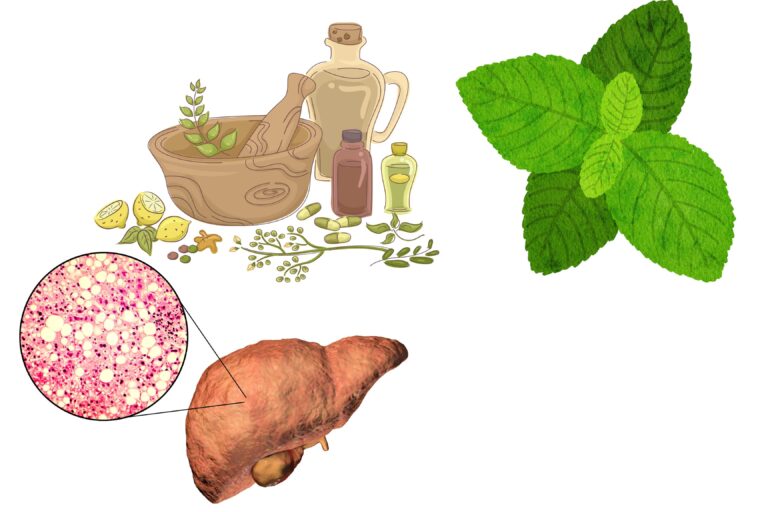
Medical professionals use a grading system—typically Grade 1, 2, and 3—to categorize the severity of fatty infiltration. While this is a useful framework, don’t mistake it for a rigid prophecy. These grades aren’t permanent life sentences; they’re more like snapshots of your liver’s current state of distress. Your journey back to health is a marathon paced by daily choices, not a sprint with a guaranteed finish line.
🌟 The Core Concept: Hepatic Regeneration
The core concept you need to hold onto is hepatic regeneration. Your liver is the only major internal organ that can regenerate itself, growing back lost tissue. But this superstar ability has a nemesis: persistent inflammation and scarring. The entire game of reversing fatty liver disease is a race to stop the inflammatory insult, so your liver’s innate healing mechanisms can finally get to work without constant interruption.
So, let’s move past the anxiety of the unknown and break down what these grades really mean for your fatty liver healing time. We’ll talk timelines, but with the crucial understanding that they are maps, not the territory. The real journey happens in your kitchen, your grocery store, and your daily routines.