
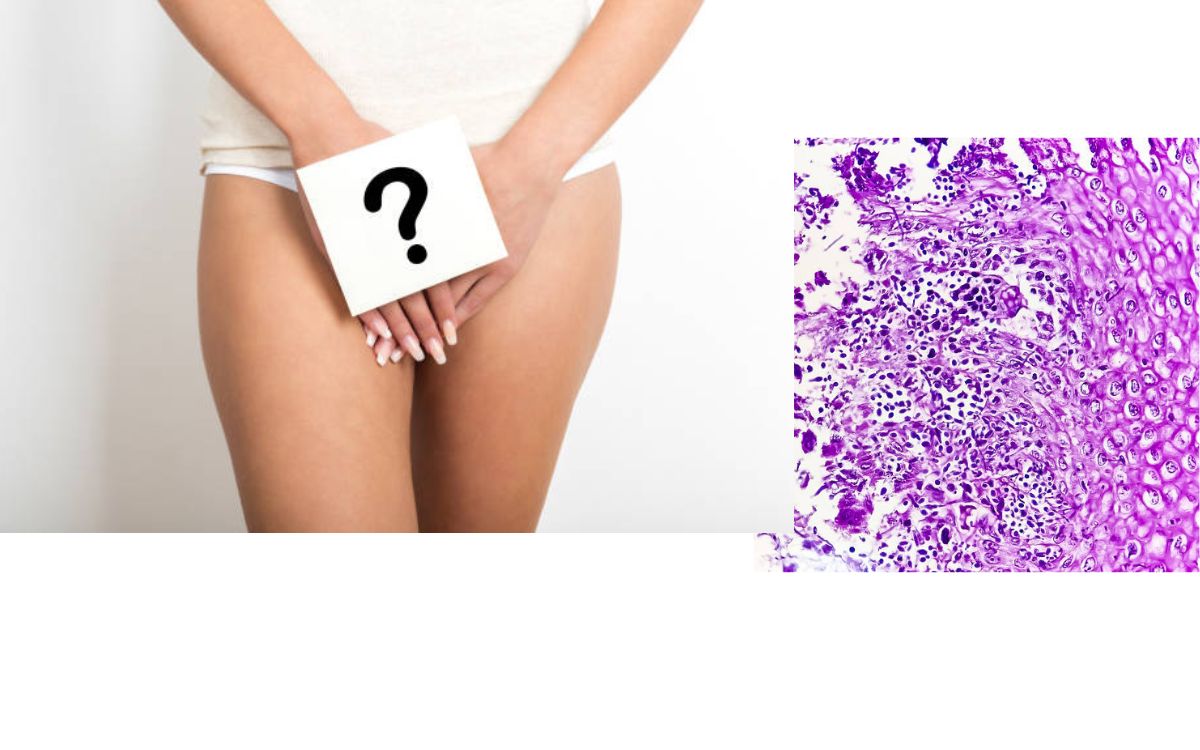
It’s a question that has crossed the mind of nearly every woman at some point, usually in a moment of private, itchy desperation: do yeast infections cure themselves on their own? You’re feeling… off. There’s that tell-tale itch, a little redness, and a whole lot of hope that if you just ignore it, drink some water, and maybe eat yogurt, it’ll all just vanish. It’s a tempting thought, isn’t it? To just will it away and avoid a awkward conversation or a trip to the store.
Let’s be real for a second. Our bodies are incredible at healing. A paper cut mends itself. A cold eventually runs its course. So why not this? The answer, like most things in life, isn’t a simple yes or no. It’s a “maybe, but…” and that “but” is a really, really important one.
So, grab a cup of tea, get comfortable, and let’s have a real, no-holds-barred chat about what’s really going on down there, what your body can handle, and when it’s time to call in the cavalry.
Meet the Culprit: It’s Not You, It’s Candida 🍄
First things first, let’s demystify the enemy. A yeast infection isn’t some foreign invader that attacks you out of the blue. That’s the wild part. The fungus responsible for most of these funky feelings, Candida albicans, is a normal resident of your vaginal microbiome. Yep, you read that right. It’s just hanging out, coexisting peacefully with billions of other bacteria.
Think of your vagina as a beautifully balanced, self-cleaning ecosystem—a lush, thriving garden. The good bacteria (mostly Lactobacillus) are the gardeners. They keep the pH slightly acidic, which prevents any one species from taking over. It’s a delicate harmony.
A yeast infection is what happens when that harmony is thrown out of whack. The “gardeners” get overwhelmed, and the yeast, seeing its chance, throws a massive, unchecked party. It multiplies like crazy, and that overgrowth is what leads to all those delightful yeast infection symptoms we know and loathe.
So, what causes this garden to go to weeds? The triggers are more common than you might think.
What Causes Yeast Infections? The Usual Suspects
-
Antibiotics: This is the classic culprit. You take antibiotics to kill a bad bacteria somewhere else in your body, and they accidentally take out the good, protective bacteria in your vagina as collateral damage. It’s a classic case of friendly fire.
-
Hormonal Havoc: Pregnancy, your menstrual cycle, or even birth control pills can change your estrogen levels and vaginal pH, creating a yeast-friendly environment.
-
A Damp Environment: Yeast loves moisture. Hanging out in a wet bathing suit or sweaty gym clothes for hours is like rolling out the red carpet for it.
-
Diet High in Sugar: If you have a serious sweet tooth, you’re basically feeding the yeast. Sugar is its favorite food.
-
A Weakened Immune System: When your body’s defenses are down, it’s harder to keep that natural balance in check.
-
Stress: Oh, stress. Is there anything you can’t mess with? High stress levels can wreak havoc on your immune system and, by extension, your delicate internal balance.
The Million-Dollar Question: Can It Just… Poof, Disappear?
Alright, let’s get to the heart of it. Can yeast infection go away by itself?
The short, unofficial answer is: sometimes, for some people, in very mild cases.
If your body’s internal ecosystem is generally robust and the disruption was minor—maybe you took a short course of antibiotics and your good bacteria bounced back quickly—it’s possible for your system to rebalance itself. Your immune system might gently show that yeast party the door, and the symptoms might slowly fade over a few days.
But here’s the catch, and it’s a big one: relying on this is a huge gamble.
Why? Because while you’re playing the waiting game, that mild infection can quickly escalate from a minor annoyance to a full-blown, can’t-think-about-anything-else inferno. What could have been solved with a simple, over-the-counter treatment for a couple of days might now require a doctor’s visit and a stronger, longer prescription.
It’s a bit like a small weed in your garden. If you pull it early, it’s gone. If you ignore it, it can spread, take root, and become a much bigger problem to manage.
The “Wait-and-See” Checklist: When Might It Be Okay?
If you’re experiencing very mild symptoms, some experts say it’s reasonable to wait 2-3 days to see if things improve. But only if you actively help your body along. This isn’t passive waiting; it’s proactive support.
-
Wear loose, breathable cotton underwear.
-
Sleep without any underwear to let the area breathe.
-
Avoid scented soaps, bubble baths, and douches like the plague. Your vagina is self-cleaning; it doesn’t need “help” that disrupts its pH.
-
Cut back on sugar and refined carbs.
-
Get plenty of rest and manage your stress. (Easier said than done, we know.)
-
Consider a probiotic specifically designed for vaginal health.
If after a few days of this TLC your symptoms are getting worse or not improving at all, it’s time to abandon the “wait-and-see” approach. Your body is telling you it needs backup.
The Itchy and Scratchy Show: Recognizing the Signs 🎭
Before we talk about solutions, let’s be 100% sure we’re dealing with a yeast infection. Because sometimes, the symptoms can mimic other issues like Bacterial Vaginosis (BV) or even some STIs. Knowing the classic signs is your first line of defense.
The Hallmark Yeast Infection Symptoms:
-
The Itch: This isn’t just a little tickle. It’s an intense, maddening, “I-want-to-claw-my-skin-off” itch in and around the vagina.
-
The Discharge: It’s typically thick, white, and clumpy, often described as looking like cottage cheese. It’s usually odorless, or might have a faint, yeasty smell (like bread).
-
The Redness & Swelling: The vulva and vagina can become red, swollen, and irritated.
-
The Burn: A burning sensation, especially during urination or sex.
-
The Pain: Soreness and general discomfort.
A crucial note: If you have any doubt about your symptoms—especially if there’s a strong fishy odor (common with BV), unusual bleeding, pelvic pain, or if this is your first time experiencing these symptoms—please see a healthcare provider. Self-diagnosing can be risky, and getting the right diagnosis is the first step to getting the right treatment.
Taking Back Control: Your Arsenal for Relief 💪
Okay, so you’ve decided you’re not just going to sit around and hope it goes away. You want to get rid of yeast infection immediately—or at least, as immediately as humanly possible. Let’s break down your options, from the pharmacy aisle to the kitchen cabinet.
The Fast Lane: Conventional Treatments
When you need relief, and you need it now, these are your most reliable bets.
1. Over-the-Counter (OTC) Antifungals: This is the go-to for most uncomplicated yeast infections. You’ll find a variety of creams (like Monistat), suppositories, and even single-dose oral pills (like Fluconazole, though often requiring a prescription).
The big question everyone has: What is the quickest treatment for yeast infection? For many, the single-dose oral pill (Diflucan) provides the most convenient and fast-acting relief, often starting to work within 24 hours. But OTC creams can start relieving symptoms like itching and burning within a few days, even if it takes longer to fully clear the infection.
| Treatment Type | How It Works | Pros & Cons | ⚡️ Speed & Sensation |
|---|---|---|---|
| OTC Creams & Inserts (e.g., Monistat) | Applied directly to the source, killing the yeast on contact. | 👍 Pro: Immediate soothing relief for external itch. Widely available. 👎 Con: Can be messy. Treatment courses can be 1, 3, or 7 days. |
“Cooling Calm” 🧊 – Provides a physical, cooling sensation that fights the fire right now. The relief is tangible. |
| Prescription Oral Pill (e.g., Diflucan) | A pill that works systemically throughout your body. | 👍 Pro: Incredibly convenient. No mess. One and done. 👎 Con: Requires a doctor’s visit/prescription. May not be suitable for everyone (e.g., pregnant women). |
“Internal Strike” 💊 – It’s a behind-the-scenes assassin. You take it and go about your day, feeling the symptoms gradually fade over 24-48 hours. |
| Home Remedies | Various natural approaches to rebalance pH and soothe symptoms. | 👍 Pro: Natural, easily accessible, and inexpensive. 👎 Con: Strong evidence is lacking. Can be messy and may not be effective for moderate-severe infections. |
“Gentle Nudge” 🌿 – This is a slow, supportive dance with your body’s own healing processes, not a swift victory. |
The Home Remedy Highway: Fact vs. Fiction
The internet is full of suggestions for a home remedy for yeast infection in women. Let’s look at a couple of the most popular ones with a clear, honest eye.
The Great Vinegar Debate: Will Vinegar Kill Yeast Infection?
This is a classic. The theory is that since yeast thrives in a less-acidic environment, adding acidity (like apple cider vinegar) to your bathwater can help restore balance.
-
The Reality: A diluted vinegar bath might offer some temporary soothing relief for external symptoms, thanks to its antiseptic properties. But let’s be clear: it is not a cure. It does not penetrate the vaginal tissue to kill the main colony of yeast. And if it’s too concentrated? Ouch. It can burn and further irritate already sensitive skin. Verdict: A maybe for mild, external comfort, but not a solution.
The Yogurt Solution: Internal or External?
Plain, unsweetened yogurt contains Lactobacillus bacteria, the very “good guys” you’re trying to repopulate.
-
Eating it: This is a fantastic supportive measure. It helps replenish good bacteria throughout your system. It’s a long-term strategy for balance.
-
Applying it: While some women swear by applying it topically or even using it as a suppository, doctors generally advise against this. It’s messy, and it’s unlikely the bacteria will survive or be effective in that context. Verdict: Eat it, don’t wear it.
The Power of Garlic 🧄
Garlic has natural antifungal properties (allicin is the magic compound). Some women suggest inserting a peeled garlic clove overnight.
-
The Reality: While studies on allicin show antifungal effects in a lab, a garlic clove in the vagina is not a controlled, medical treatment. It can cause burning, irritation, and even introduce new bacteria. Verdict: A risky, not-recommended gamble.
The bottom line on home remedies: They are best used as complementary support to proven treatments, not as a replacement. They can help you feel more comfortable and support your body’s overall health, but they rarely pack the punch needed to get rid of a yeast infection in 24 hours when it’s in full swing.
When It’s More Than Just a Nuisance: Time to Call the Doctor 🚨
This is non-negotiable. There are times when DIY is not the answer. Please, see a doctor if:
-
This is your first time experiencing these symptoms. You need a proper diagnosis.
-
Your symptoms aren’t improving after using a full course of OTC treatment.
-
The symptoms return within two months.
-
You’re pregnant.
-
You have unusual symptoms like a fever, chills, nausea, or severe pelvic pain.
-
You have a weakened immune system due to an illness like HIV or diabetes, or from medications like chemotherapy.
You could be dealing with a recurrent or complicated yeast infection, or something else entirely. Your doctor can provide a precise diagnosis and a treatment plan that actually works.
The Final Word: Listening to Your Body’s Wisdom
So, after all this, let’s circle back to where we started. Do yeast infections cure themselves on their own? The landscape should be clearer now. It’s a possibility, but it’s a fragile one—a whisper of a chance that often gets drowned out by the reality of our modern lives, our diets, and our stress levels.
Your body is wise. It has an incredible capacity to heal. But sometimes, it gets overwhelmed. It sends you signals—the itch, the burn, the discomfort—for a reason. It’s not a sign of weakness; it’s a request for help.
Ignoring that request, hoping it will just fade away, is like ignoring a check engine light in your car. You might be fine for a little while, but eventually, that small issue can become a major breakdown.
The most empowering thing you can do is listen. Pay attention to what your body is telling you. Support it with healthy habits, know your treatment options, and don’t be afraid to seek professional help when you need it. You don’t have to just live with the discomfort. You have the power to take control, find relief, and restore your natural balance. Because you, and your well-being, are worth it.