
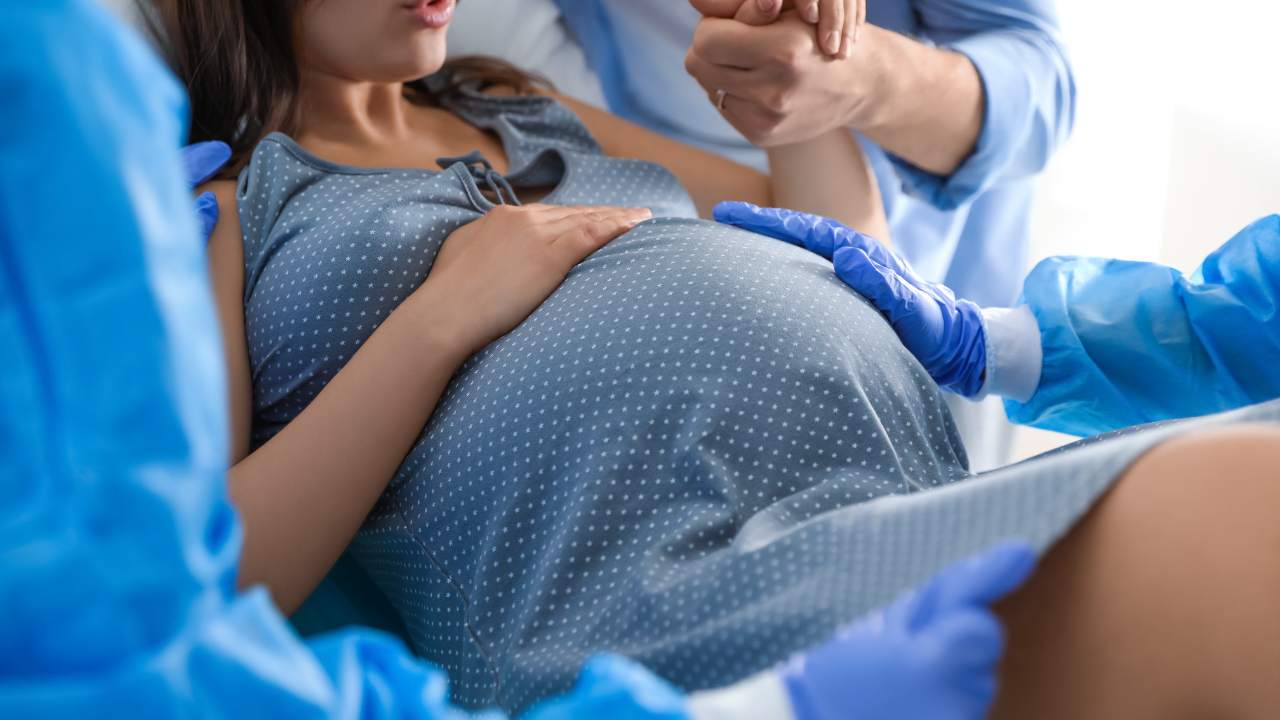
Does Vaginal Birth Damage The Pelvic Floor?
The question of whether vaginal birth damages the pelvic floor is indeed complex and multi-faceted. To answer this, let’s delve into the details provided and the broader context.
Pelvic Floor and Childbirth
The pelvic floor is a group of muscles that support the bladder, uterus, and rectum. During pregnancy, these muscles bear the weight of the growing uterus and baby, which can lead to increased strain. Hormonal changes in pregnancy also contribute to the softening of tissues and joints, preparing the body for childbirth.
Pregnancy involves a range of physical changes, including altered joint and muscle feelings and even changes in gait (like the ‘waddle’). These changes are part of the body’s natural adaptation to accommodate the growing fetus.
Impact of Vaginal Birth on the Pelvic Floor
Recent research has indeed shown that vaginal childbirth can have a more traumatic impact on the mother’s body than previously understood. One significant form of trauma that is less recognized is the damage to the levator ani muscle, a part of the pelvic floor.
Levator Avulsion
- Incidence: Imaging studies suggest that levator avulsion, where the puborectalis muscle detaches from the os pubis, occurs in up to a third of women giving birth vaginally for the first time.
- Risk Factors: The use of forceps in delivery has been identified as a major risk factor, increasing the likelihood of levator avulsion significantly compared to vacuum-assisted or unassisted vaginal births.
Consequences of Pelvic Floor Damage
- Physical Effects: Pelvic floor trauma, including levator injuries, is closely linked to pelvic organ prolapse and treatment failure for the same.
- Psychological Impact: Such trauma can lead to serious psychological effects, including post-traumatic stress disorder (PTSD).
Obstetric Practices
The modification of obstetric practices, such as minimizing the use of forceps, could significantly reduce pelvic floor trauma and the subsequent need for surgeries related to prolapse.
Summary
While it is true that vaginal childbirth can cause temporary or even permanent damage to the pelvic floor, the degree and nature of this damage can vary widely. Factors such as the method of delivery and individual physiological differences play a significant role. It’s crucial for perinatal healthcare providers to recognize and understand the significance of maternal birth trauma and its potential impacts. This knowledge is essential for informing pregnant women and helping them make informed decisions about their childbirth options.
In conclusion: While vaginal birth does pose risks to the pelvic floor, understanding these risks and the factors that influence them is key to providing appropriate care and support for women during pregnancy and childbirth.
🩺
Understanding Pelvic Floor Disorders Post-Childbirth
Pelvic floor disorders following childbirth can have severe and lasting effects on women’s health. Each year, these disorders compel over 300,000 women to undergo surgery. This figure represents about 10% of the 3 million women who have vaginal births annually. The most common disorder linked to childbirth is pelvic organ prolapse, a condition where the organs in the pelvic area drop due to weakened muscles. Vaginal birth is a significant risk factor for this condition and also contributes to stress urinary incontinence.
Comparing Risks and Injuries
These pelvic floor disorders are far more likely to necessitate surgical intervention than anal sphincter injuries, with the need for surgery being ten times higher. Imaging studies reveal that injuries to the levator ani muscle, perineal body, and membrane can occur in up to 19% of women giving birth for the first time. During childbirth, these tissues and the levator muscle must stretch significantly – more than three times their normal size. This extreme stretching, rather than compression or nerve damage, often leads to muscle tears. About 55% of women who develop prolapse later in life show this kind of injury, with a significantly higher risk compared to women without such injuries.
Factors Influencing Levator Muscle Damage
The risk factors for injuring the levator muscle are varied, including the use of forceps, giving birth to the baby facing upwards (occiput posterior), older age of the mother, a longer second stage of labor, and a baby weighing over 4000 grams. Interestingly, vacuum-assisted deliveries seem to reduce the likelihood of levator damage.
Potential Protective Measures
There are several strategies that might help lower the risk of these injuries. These include turning the baby from a posterior to an anterior position, delivering slowly and carefully, perineal massage or applying compresses, and possibly inducing labor early. Additionally, training women not to push against a contracted levator muscle during childbirth could also reduce injury risk.
The Importance of Awareness and Care
Early recognition and treatment, including physical therapy and focused recovery, are crucial in caring for women who have experienced difficult deliveries. Women should be informed about these risks during pregnancy. Educating them about the long-term effects of childbirth on pelvic floor health is essential, enabling them to make well-informed decisions about their labor and delivery process.
Comprehensive Strategies to Avoid Pelvic Floor Dysfunction
The decision to have an elective cesarean section (C-section) with the aim of preventing pelvic floor dysfunction (PFD) is complex. While it’s a common belief that a C-section can avert pelvic floor damage, it’s important to weigh this against the increased risks associated with the surgical procedure. Just like avoiding apples for fear of choking on a seed, avoiding vaginal birth solely for the potential benefit of preserving pelvic floor integrity might not be the most balanced approach. Furthermore, it’s important to note that women who undergo C-sections can still experience postpartum incontinence.
Natural Resolution of Incontinence
It’s encouraging to know that most women who develop incontinence after childbirth, regardless of the method of delivery, often find that these symptoms resolve within a few months. This suggests that the body has a remarkable capacity for recovery and healing.
The Crucial Role of Nutrition and Lifestyle
A proactive approach to maintaining pelvic health involves significantly more than just focusing on the method of childbirth; it encompasses your overall health and daily lifestyle choices. Healing tissues and maintaining muscle integrity require the right building blocks.
- A Balanced, Healing Diet: Prioritize protein (essential for tissue repair), good fats, nuts, seeds, vegetables, and nutrient-dense leafy greens.
- Mindful Consumption: Keep sugar and heavy grain intake low, as high sugar can increase systemic inflammation and slow down the body’s natural recovery processes.
- Healthy Habits: Lifestyle factors such as engaging in safe, regular exercise and avoiding smoking are absolutely crucial for maintaining the elasticity and blood flow required for optimal pelvic health.
The Importance of Pelvic Floor Exercises
Engaging in targeted pelvic floor exercises is a key element in actively preventing and managing pelvic floor dysfunction. These exercises, often referred to as Kegels, specifically target and strengthen the internal muscles that act as a hammock to support the bladder, uterus, and rectum.
Regularly performing these exercises can dramatically improve pelvic floor strength, endurance, and coordination, significantly reducing the likelihood of postpartum incontinence, prolapse, and other uncomfortable pelvic floor issues.
Introducing the Pelvic Floor Strong Program
For those seeking a structured, step-by-step, and highly effective approach, the Pelvic Floor Strong program offers an excellent resource. This comprehensive program, which I recently came across, is far more than just a basic set of exercises; it’s a complete, holistic guide to safely regaining control over your body.
- Clear Guidance: Presented in an easily understandable informational video, it provides a clear pathway without confusing medical jargon.
- Targeted Healing: It specifically addresses common, frustrating postpartum issues like sudden urine leakage and diastasis recti (a common condition where the abdominal muscles separate during pregnancy).
- Professional Endorsement: The program’s evidence-based approach has garnered solid endorsements from healthcare professionals, including doctors, midwives, and personal trainers, lending vital credibility and trust to its methods.
By following this program, women can confidently work towards improving their core and pelvic health in a guided, informed, and safe manner.
In Summary
While medical interventions like elective C-sections may seem to some like a straightforward solution to completely avoid pelvic floor dysfunction, it is absolutely crucial to consider the broader perspective. True, lasting recovery and prevention include proper nutrition, mindful lifestyle choices, regular and correct pelvic floor exercises, and relying on structured, professionally endorsed programs like Pelvic Floor Strong. These combined strategies offer a truly holistic, empowering approach to maintaining lifelong pelvic health and enhancing your overall well-being.
References:
Vaginal Birth and Pelvic Floor Trauma | Current Obstetrics and Gynecology Reports (springer.com)
How Useful Was This Post?
Click on a star to rate it!
Average rating 4 / 5. Vote count: 1