
Dental First Aid
Emergency Toothache Relief
Fast & Safe Remedies Until You See the Dentist
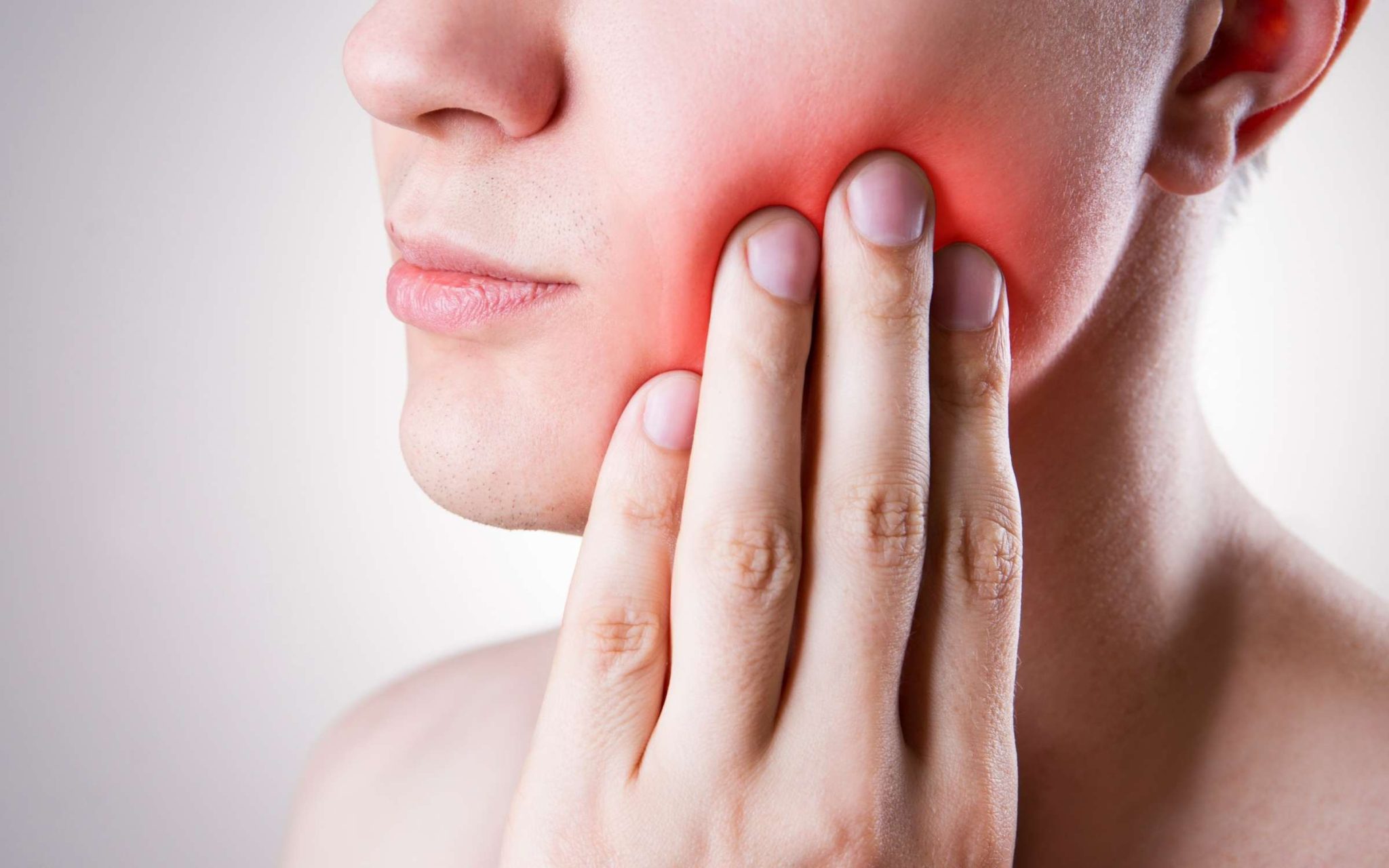
A toothache is never fun and always seems to happen at the most inconvenient times. If you’re suffering from sudden dental pain, your first step should always be to call your dentist ASAP. But if it’s the middle of the night or you are waiting for your appointment, you need relief now.
🌿
Safe & Natural Home Remedies
Here is a guide to safe, effective home remedies to soothe your pain.
🌊 Warm Saltwater Rinse
This is the gold standard for dental pain. Mix half a teaspoon of salt into a glass of warm water and gently swish it around your mouth. Saltwater acts as a natural disinfectant, reduces inflammation, and helps clean out any debris irritating the tooth.
🧊 The Ice Pack Method
Placing a cold compress or a plastic bag of ice on your cheek directly over the painful area works wonders. Hold it there for 15 to 20 minutes at a time. The cold constricts the blood vessels, which numbs the area and significantly reduces swelling. (Tip: A bag of frozen peas wrapped in a towel works perfectly!)
🫚 Ginger or Peppermint
Ginger has natural anti-inflammatory properties. You can make a soothing tea with fresh, peeled ginger root, or apply a cooled peppermint tea bag directly to the aching tooth. Peppermint contains menthol, which has a mild, natural numbing effect.
💧 Clove Oil
Clove oil contains eugenol, a natural anesthetic. Dab a tiny amount onto a cotton swab and gently apply it to the sore tooth and surrounding gum for temporary numbing relief.
🚨
Dental Myths: What NOT To Do
When you are in agonizing pain, it is tempting to try anything you read online. However, please absolutely avoid these dangerous internet myths:
❌ Raw Meat on an Abscess
High Infection Risk: An abscess is an open infection. Introducing raw steak or chicken introduces deadly bacteria directly into your bloodstream.
❌ Chewing Antibiotic Pills
Chemical Burns: Antibiotics do not contain numbing agents. Chewing them won’t relieve pain, but it can cause severe chemical burns to your gums and leads to unsafe dosing.
❌ Topical Antibiotic Ointment
Toxicity: Ointments meant for external skin cuts are toxic if swallowed and are not formulated for the mucosal lining of your mouth.
❌ Vinegar Paste
Enamel Erosion: White vinegar is highly acidic. Applying it directly to your teeth will rapidly erode your protective enamel and burn sensitive gum tissue.
When to Seek Immediate Help
If your toothache is accompanied by a high fever, swelling in your face or neck, or trouble breathing and swallowing, skip the home remedies and head to an urgent care clinic or emergency room immediately.
DIY Mouthwashes You Can Make At Home
When you can’t get to the pharmacy, your kitchen pantry holds several safe, effective ingredients to help clean an infected tooth and temporarily numb the pain.
🫧 Diluted Hydrogen Peroxide Rinse
Hydrogen peroxide is a powerful antibacterial agent that can help kill the bacteria causing your toothache and reduce painful inflammation. How to use it safely: Mix equal parts of 3% hydrogen peroxide and water. Swish the solution in your mouth for 30 seconds, then spit it out entirely. Do not swallow it. Rinse your mouth with plain water afterward.
🍃 Cool Peppermint Tea
Peppermint leaves contain menthol, which naturally numbs sensitive areas and cools inflamed gums. How to use it safely: Steep a peppermint tea bag in boiling water, then let it cool down completely (you can put it in the freezer to speed this up). Use the cool tea as a swishing mouthwash, or gently press the cooled tea bag directly against the aching tooth.
🥄 Baking Soda Paste or Rinse
Baking soda has alkaline properties that neutralize acidic bacteria in your mouth, which can relieve the throbbing pressure of an infection. How to use it safely: Mix half a teaspoon of baking soda into a small glass of warm water and use it as a rinse. Alternatively, mix a tiny bit of water with baking soda to form a paste and gently dab it onto the sore gum.
⛔
Mouthwash Myths That Make Pain Worse
Do not put these common household items on an aching tooth!
❌ Lemon Juice & Vinegar
Severe Enamel Erosion: Lemon juice and vinegar are highly acidic. Swishing them in your mouth will rapidly dissolve your tooth enamel and cause excruciating, burning pain on an exposed nerve or abscess.
❌ Plain Syrup or Honey
Feeds Infection: A toothache is almost always caused by bacterial decay. Applying pure sugar or syrup to an infected tooth is like throwing gasoline on a fire—it feeds the bacteria and accelerates the infection and pain.
❌ Syrup Of Ipecac
Induces Vomiting: This is an obsolete medicine meant to induce severe vomiting in poison emergencies. It has absolutely zero pain-relieving properties. Vomiting will bring harsh stomach acid into your mouth, further destroying your teeth.
Comprehensive Relief Guide
10 Safe Steps for Emergency Toothache Relief
Here are ten different, medically safe, and natural ways to find emergency toothache relief step-by-step.
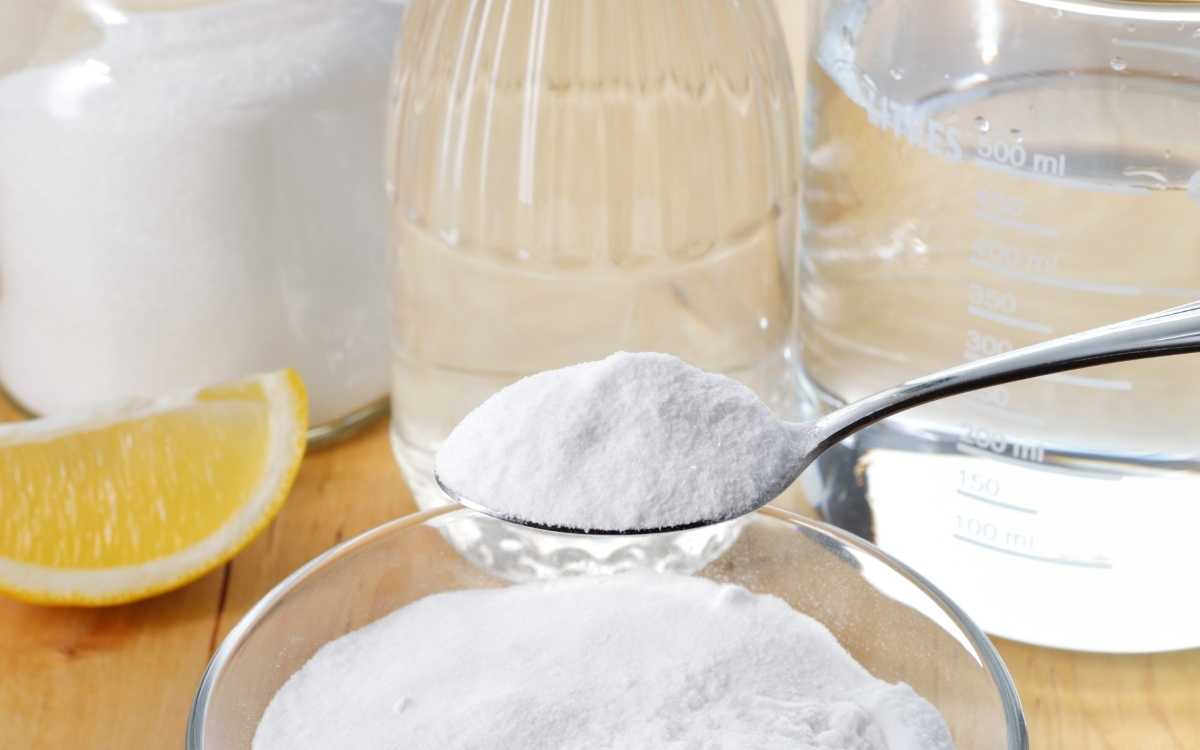
1 # The Warm Saltwater Rinse
Ingredients you’ll need:
- 1/2 teaspoon of table salt
- 1 glass of warm water
What to do:
- Step 1: Mix the salt into the warm water until completely dissolved.
- Step 2: Swish the solution gently in your mouth for 30 seconds, focusing on the infected area.
- Step 3: Spit it out. Repeat as necessary to reduce inflammation and wash away irritating debris.
2 # Aloe Vera Gel Application
Ingredients you’ll need:
- 1 teaspoon of pure, food-grade aloe vera gel
What to do:
- Step 1: Ensure you have 100% pure aloe vera meant for oral/internal use (not sunburn gel with lidocaine).
- Step 2: Use a clean cotton swab to gently apply the gel directly to the sore gum area.
- Step 3: Leave it on to allow its natural antibacterial and soothing properties to calm the irritation.
3 # Cold Peppermint Tea Compress
Ingredients you’ll need:
- 1 peppermint tea bag
- Hot water
What to do:
- Step 1: Steep the tea bag in hot water for a few minutes.
- Step 2: Remove the tea bag and place it in the freezer for a few minutes until it is comfortably cool.
- Step 3: Apply the cool tea bag directly to the aching tooth. The menthol in peppermint acts as a mild, safe numbing agent.
4 # Clove Oil (Eugenol) Spot Treatment
Ingredients you’ll need:
- 2 drops of clove essential oil
- 1/2 teaspoon of carrier oil (like olive or coconut oil)
- A cotton swab
What to do:
- Step 1: Dilute the powerful clove oil into the carrier oil to prevent gum irritation.
- Step 2: Dip the cotton swab into the diluted mixture.
- Step 3: Gently dab it onto the painful tooth. Clove oil contains eugenol, a natural and highly effective anesthetic.
5 # Cold Ice Pack Therapy
Ingredients you’ll need:
- Ice cubes in a plastic bag (or a bag of frozen vegetables)
- A clean towel
What to do:
- Step 1: Wrap the ice pack in the towel so the extreme cold isn’t resting directly on your skin.
- Step 2: Hold the compress against your cheek over the painful area for 15-20 minutes.
- Step 3: The cold will constrict blood vessels, effectively numbing the pain and reducing severe facial swelling.
6 # Safe Baking Soda Rinse
Ingredients you’ll need:
- 1/2 teaspoon of baking soda
- 1/2 glass of warm water
What to do:
- Step 1: Mix the baking soda into the warm water until dissolved.
- Step 2: Swish the mixture gently in your mouth to neutralize acidic bacteria that irritate exposed nerves.
- Step 3: Spit the mixture out. This is a much safer alternative to dangerous acidic vinegars.
7 # Crushed Garlic Paste
Ingredients you’ll need:
- 1 fresh garlic clove
- A pinch of salt
What to do:
- Step 1: Crush the garlic clove to release allicin, an oily liquid that acts as a natural disease fighter.
- Step 2: Mix in a tiny pinch of salt to form a paste.
- Step 3: Carefully dab the paste onto the affected tooth. Do not leave it on the soft gums for too long to avoid irritation.
8 # Pure Vanilla Extract
Ingredients you’ll need:
- Pure vanilla extract (must contain alcohol, not imitation)
- A cotton swab
What to do:
- Step 1: Dab a small amount of pure vanilla extract onto a clean cotton swab.
- Step 2: Apply it directly to the aching tooth.
- Step 3: The alcohol in the extract will help numb the pain, while the antioxidants in vanilla promote healing.
9 # Diluted Hydrogen Peroxide Rinse
Ingredients you’ll need:
- 3% Hydrogen Peroxide
- Water
What to do:
- Step 1: Mix equal parts 3% hydrogen peroxide and water.
- Step 2: Swish the solution gently in your mouth for 30 seconds to kill bacteria and reduce plaque.
- Step 3: SPIT IT OUT COMPLETELY. Never swallow hydrogen peroxide. Rinse with plain water afterward.
10 # Over-The-Counter Pain Relievers
Ingredients you’ll need:
- Ibuprofen or Acetaminophen
What to do:
- Step 1: Check the package instructions for proper dosing.
- Step 2: Swallow the pill with water.
- Step 3: Never crush pills and rub them into your gums. Swallow them whole so they can enter your bloodstream to safely reduce deep inflammation.
🛑
Ingredients To Strictly Avoid
While some websites recommend harsh kitchen ingredients for toothaches, dentists strongly warn against them. Avoid putting these on your teeth:
❌ Lemon Juice & Vinegar (White or Apple Cider): Highly acidic and will rapidly dissolve your remaining tooth enamel, causing chemical burns on exposed nerves.
❌ Cayenne Pepper: Brushing capsaicin directly into an infected, open tooth abscess will not numb the area; it will cause agonizing, burning pain.
🏥
Taking Care of Yourself
If you suspect you have an abscessed tooth, it is critical to remember that dental infections can spread rapidly. Your teeth are located dangerously close to your brain, airway, and major blood vessels.
You need to get in touch with a dentist immediately if you see signs of an infection developing. Trying to tough it out can lead to severe health complications that will end up costing far more money—and causing far more suffering—than a prompt dental visit.
Take care of yourself. Get that tooth looked at by a professional right away. It will save you money in the long run and prevent a localized ache from becoming a systemic emergency!
🦠 What is the main cause of a toothache?
Various factors may trigger dental pain. While severe gum disease is a major factor, the most common culprit is tooth decay (a cavity). When decay breaks through the hard outer enamel and reaches the sensitive inner pulp (where the nerves and blood vessels live), it creates agonizing pain.
If left untreated, this decay breeds an infection that can travel down to the bone, causing an abscess. Proper brushing, flossing, and regular dental checkups are your best defense against decay-driven toothaches.
🔔 What are the symptoms of a toothache?
The pain can range from a dull, constant ache to a sharp, throbbing sensation. Symptoms tend to escalate as the infection worsens:
➔Radiating Pain: Discomfort that shoots from the tooth into your jawbone, ear, or neck.
➔Foul Tastes/Smells: Experiencing bad-tasting, salty liquids draining into your mouth (pus from an abscess).
➔
Visible Swelling: Noticeable puffiness in your gums, cheek, or face.
➔Fever: A clear indicator that your body is actively fighting off a serious, systemic infection.
🔍 How do I know if my tooth is abscessed?
An abscess is a localized pocket of pus caused by a bacterial infection. Warning signs that your tooth damage has progressed to an abscess include:
- • Intense Sensitivity: Lingering, severe pain when exposed to hot or cold temperatures.
- • Pressure Pain: Sharp pain when biting down or chewing food.
- • The “Gum Pimple”: A small, raised bump on the gums next to the infected tooth that looks like a pimple (this is where the infection is trying to drain).
- • Swollen Lymph Nodes: Tender, swollen glands under your jaw or in your neck.
Conclusion
If you get any kind of toothache, take action immediately. These emergency relief steps are designed to hold you over, but it is always better to go and see a dentist before a dull ache changes into a life-threatening infection.
We hope this Emergency Toothache Relief guide was useful for you. Feel free to discuss your thoughts or share your own experiences in the comments section below!
⚠️
Medical Disclaimer
The information provided in this article is for informational and educational purposes only and should strictly not be considered a substitute for professional medical or dental advice, diagnosis, or treatment. Do not delay seeking care or disregard professional medical advice based on the content of this article. If you have any questions about your health, or if your symptoms worsen, you should seek prompt medical care from a licensed professional.
How Useful Was This Post?
Click on a star to rate it!
Average rating 4.5 / 5. Vote count: 2