
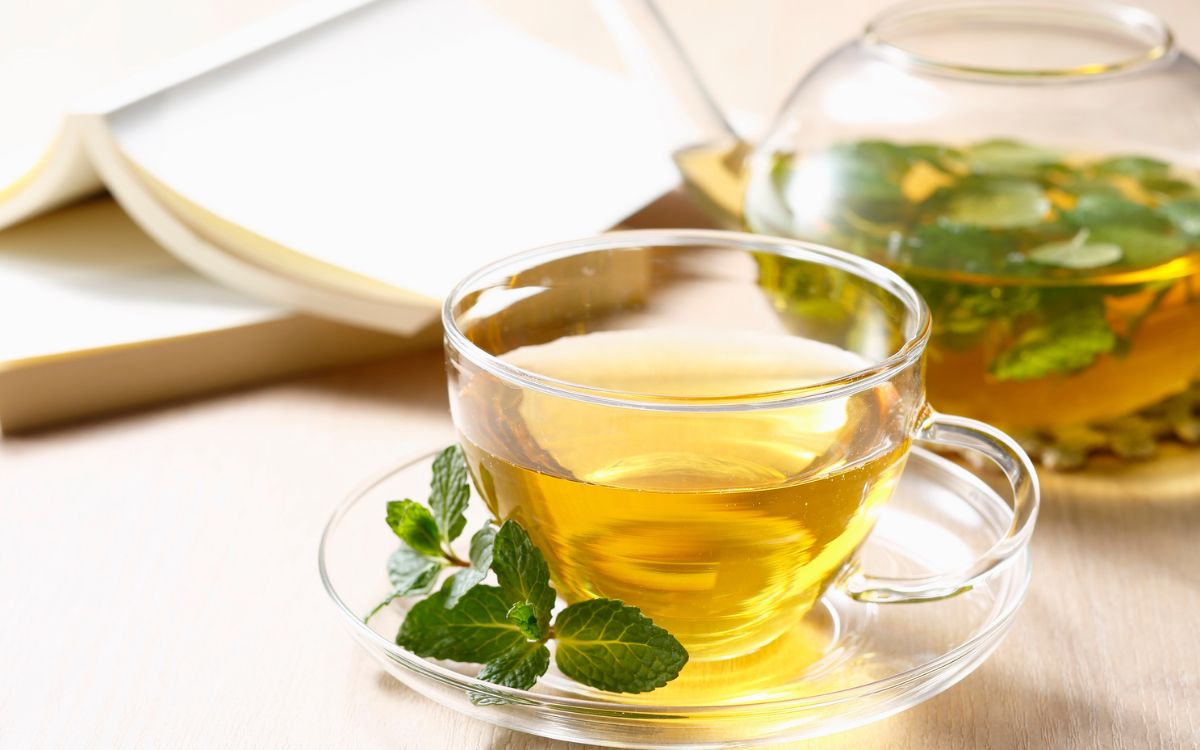
Let’s be honest, the search for the best tea for weight loss and belly fat can feel like navigating a jungle of hype and hope. You’ve probably seen the ads—flat tummy teas and magical brews promising a whole new you. It’s enough to make anyone sigh and reach for a cookie. But what if we stepped away from the marketing madness and looked at what’s actually in the cup? The truth is, the humble tea leaf, in its many glorious forms, can be a genuine, powerful ally in your wellness journey. It’s not a magic potion, but a gentle, time-honored companion that can help nudge your body in the right direction.
This isn’t about a quick fix. It’s about understanding how different teas interact with your body’s unique chemistry. We’re going to explore the science, sip by sip, and uncover which brews might be the perfect fit for you. So, put the kettle on, get comfortable, and let’s dive into the warm, wonderful world of tea.
Beyond the Hype: How Tea Actually Works Its Magic 🧙♂️
First things first, let’s bust a myth. No tea will melt away fat while you sleep. Sorry. The real story is far more fascinating. Think of these teas not as demolition crews, but as skilled assistants. They support your body’s natural processes, making your efforts in the kitchen and the gym that much more effective.
It really comes down to a few key areas where tea can make a noticeable difference:
-
Metabolism Matters: Your metabolism is your body’s engine. Some teas contain compounds, like the catechins in green tea, that can give that engine a slight rev. It’s called thermogenesis—the process of your body generating heat and burning calories to do it. A slightly faster metabolism means you’re burning more calories, even at rest.
-
The Fat-Blocking Theory: This one is seriously clever. Some teas seem to interfere with the body’s ability to break down and absorb dietary fat. It’s not a free pass to eat a whole pizza, but it can help reduce the amount of fat your body stores from a meal.
-
Taming the Sugar Dragon: Cravings can derail the best of intentions. Certain herbal teas have a natural sweetness that can satisfy a sugar craving without the… well, sugar. Plus, by helping to stabilize blood sugar levels, they prevent those dramatic energy spikes and crashes that leave you raiding the pantry.
-
The Bloat Battle: This is a huge one for that “belly fat” feeling. Often, what looks like stubborn fat is actually inflammation and water retention. Herbal teas like peppermint and dandelion are brilliant diuretics and anti-inflammatories, helping to de-puff your stomach and make you feel lighter and more comfortable.
-
Stress Siphon: Here’s a factor most people overlook: cortisol. This stress hormone, when chronically elevated, encourages your body to store fat, particularly around the midsection. A calming cup of certain herbal tea can lower cortisol levels, telling your body it’s safe to let go of that protective padding.
See? It’s a multi-layered approach. It’s not one single action, but a symphony of small, supportive effects that add up to real, sustainable change.
The Contenders: A Tasting Tour of Top Teas
Alright, let’s meet the players. This is where we get into the nitty-gritty of each tea’s personality, strengths, and unique flavor profile.
Green Tea: The Undisputed Heavyweight Champion 🥊
If there’s one tea that’s synonymous with weight loss, it’s green tea. And for good reason. It’s the most researched tea on the planet for a reason.
Why it Works:
The power of green tea lies in two key components working together: caffeine and a specific type of catechin called EGCG (epigallocatechin gallate). Alone, caffeine is a mild stimulant. EGCG is a powerful antioxidant. But together? They create a synergistic effect that significantly boosts thermogenesis. Studies have consistently shown that green tea extract can increase fat oxidation, meaning your body becomes better at using fat for fuel.
The Flavor Lowdown:
Green tea can be a delicate creature. A cheap bag can taste bitter and grassy. But a good quality green tea is a revelation—light, slightly vegetal (in a good way, like steamed asparagus or fresh spinach), with a sweet, clean finish. Japanese green teas like sencha might have a more oceanic, umami quality, while Chinese longjing (Dragon Well) is often toastier and smoother.
How to Brew it Right:
Don’t murder it with boiling water! That’s the number one mistake. For most green teas, water between 160°F and 180°F (70°C – 80°C) is perfect. Steep for 1-3 minutes. Any longer and you’ll unlock those bitter tannins. Go for 2-3 cups throughout the day to keep the benefits steady.
Oolong Tea: The Fascinating In-Betweener 🔄
Oolong is the master of balance. It’s partially oxidized, placing it perfectly between the fresh, green character of green tea and the deep, robust notes of black tea. This unique processing also gives it a unique edge in weight management.
Why it Works:
Oolong tea is famous for its polyphenol content, which is believed to be particularly effective at activating enzymes that help break down triglycerides—the stored form of fat in our fat cells. What’s really cool is that studies show oolong can elevate metabolic rate for up to two hours after drinking it. Plus, its natural complexity seems to help block the absorption of dietary fat and carbohydrates.
The Flavor Lowdown:
The world of oolong is vast and wonderful. It can be floral and creamy like milk oolong, or dark and mineral-rich with notes of roasted honey like a Wuyi rock oolong. It’s a tea that invites you to slow down and appreciate its layers.
How to Brew it Right:
Oolong is resilient and loves hot water, usually around 190°F – 200°F (88°C – 93°C). It’s also a tea that can (and often should) be steeped multiple times. Each infusion reveals a new dimension of its flavor. A great afternoon ritual.
Pu-erh Tea: The Aged Wonder from Ancient China 🕰️
Pu-erh is in a class of its own. It’s a fermented tea, and like a fine wine or cheese, it’s aged, sometimes for decades. This process creates a profoundly deep flavor and some unique health properties.
Why it Works:
The fermentation process of pu-erh creates compounds that aren’t found in other teas. It’s renowned in Traditional Chinese Medicine for its ability to “cut grease” and aid digestion after a heavy meal. Modern science suggests it can help reduce the synthesis of new fatty acids in the liver (lipogenesis) and lower bad cholesterol levels. It’s a powerful digestive aid that helps your body process fats more efficiently.
The Flavor Lowdown:
This is not a tea for the faint of heart. A young, raw (sheng) pu-erh can be bracingly bitter and astringent, but it transforms with age. A ripe (shou) pu-erh is deep, dark, and earthy—think rich soil, leather, and dark chocolate. It’s an acquired taste, but a deeply rewarding one.
How to Brew it Right:
Use boiling water. Pu-erh can take the heat. A quick rinse (pour hot water over the leaves and immediately discard it) is standard practice to “awaken” the leaves and clean them. Then steep for 30 seconds to several minutes. It’s perfect after dinner.
White Tea: The Delicate Powerhouse 🌸
Don’t let its subtlety fool you. White tea is the least processed of all true teas (from the camellia sinensis plant). It’s simply plucked and dried, which means it retains an incredibly high level of antioxidants.
Why it Works:
Research indicates that white tea may be the most effective tea at blocking the formation of new fat cells (adipogenesis) while simultaneously boosting the breakdown of stored fat (lipolysis). It’s a double whammy, all while being the gentlest on your system due to its lower caffeine content.
The Flavor Lowdown:
White tea is subtle, elegant, and incredibly refreshing. It tastes like spring. Look for notes of melon, cucumber, honey, and fresh flowers. Silver Needle (Bai Hao Yinzhen) is the pinnacle—soft, sweet, and incredibly smooth.
How to Brew it Right:
Treat it with care. Use water well below boiling, around 160°F – 175°F (70°C – 80°C). Steep for 4-5 minutes to allow the delicate flavors to fully unfold. It’s a beautiful tea for a calm morning.
The Herbal Brigade: Caffeine-Free Allies
Not everyone wants or can have caffeine. That’s where the incredible world of herbal teas, or tisanes, comes in. They bring their own unique superpowers to the table.
Rooibos: The Sunny South African Savoir ☀️
Rooibos (pronounced ROY-boss) is a caffeine-free bush native to South Africa. Its vibrant red color and sweet, nutty flavor have made it a worldwide favorite.
Why it Works:
Rooibos contains a unique and powerful antioxidant called Aspalathin. Studies suggest this compound can reduce stress hormones that trigger hunger and fat storage (hello, cortisol!) and can also help to keep blood sugar levels stable. Stable blood sugar means fewer cravings and a more consistent energy supply for your body to use.
The Flavor Lowdown:
Naturally sweet, nutty, and slightly woody. It’s incredibly smooth with no bitterness, making it a perfect tea for any time of day, even for kids.
How to Brew it Right:
It’s very forgiving. Use boiling water and steep for 5-7 minutes. It won’t get bitter, so you can let it steep as long as you like for a stronger cup.
Peppermint Tea: The Belly Soother 🌿
Peppermint tea is like a cool, calming breeze for your digestive system. While it won’t directly boost your metabolism, its role in fighting belly bloat is absolutely critical.
Why it Works:
Peppermint is a carminative, meaning it helps to expel gas from the digestive tract. It also helps to relax the muscles of the gastrointestinal system, relieving spasms and that uncomfortable, bloated feeling. When your stomach isn’t distended and painful, you feel slimmer and more motivated.
The Flavor Lowdown:
Bright, refreshing, and clean. The pure, cooling sensation of menthol is unmistakable.
How to Brew it Right:
Boiling water, steep for 5-10 minutes with the lid on to trap the precious volatile oils that carry the flavor and benefits.
Dandelion Root Tea: The Gentle Flush 💧
Dandelion root tea, especially when roasted, has a rich, coffee-like flavor and is a potent, natural diuretic.
Why it Works:
It supports the liver—your body’s primary detoxification organ—and helps the kidneys flush out excess water weight. This isn’t permanent fat loss, but relieving water retention can make a dramatic difference in how your clothes fit and how you feel, often providing the motivational boost to keep going.
The Flavor Lowdown:
Roasted dandelion root tea is deep, earthy, and slightly bitter, very similar to a weak coffee. It’s a fantastic coffee substitute.
How to Brew it Right:
Simmer 1-2 teaspoons of the chopped root in a cup of water for 10-15 minutes for the most potent brew.
Your At-a-Glance Tea Guide
This table breaks down the key players, so you can quickly find your perfect match.
| Tea Type | Caffeine? | Key Benefit | Flavor Vibe | Best Time to Drink |
|---|---|---|---|---|
| Green Tea 🍵 | Yes | Metabolism Boost, Fat Burning | Grassy, Vegetal, Sweet | Morning & Afternoon ⏰ |
| Oolong Tea 🍂 | Yes | Fat Blocking, Metabolism | Floral, Creamy, Toasty | Afternoon ☀️ |
| Pu-erh Tea 🪵 | Yes | Digestive Aid, Cuts Grease | Earthy, Musky, Deep | After Meals 🍽️ |
| White Tea 🌱 | A Little | Prevents New Fat Cells | Delicate, Floral, Melon | Anytime 🕒 |
| Rooibos 🔴 | No | Reduces Stress & Cravings | Sweet, Nutty, Smooth | Evening 🌙 |
| Peppermint 🌿 | No | Soothes Bloat & Digestion | Cool, Refreshing, Minty | After Meals 🍽️ |
| Dandelion Root 🌼 | No | Flushes Water Weight | Earthy, Roasty, Bitter | Morning ☀️ |
Weaving Tea into the Tapestry of Your Life
Knowing which teas to drink is one thing. Making them a seamless, enjoyable part of your routine is another. This is where the magic really happens.
Creating a Ritual, Not a Chore:
Don’t just gulp it down. Turn tea time into a mindful moment. Boil the water in a real kettle. Smell the dry leaves. Watch them unfurl in your cup. This two-minute ritual is a powerful act of self-care that reduces stress and reinforces your positive new habit.
The Art of the Blend:
Get creative! You don’t have to drink these teas in isolation. Try a green tea with a sprig of fresh mint. Blend rooibos with a pinch of cinnamon for a blood-sugar-stabilizing kick. Add a slice of ginger to your oolong for an extra metabolic and anti-inflammatory punch. Making your own blends makes the journey personal and delicious.
A Final, Crucial Reality Check:
No amount of the best tea for weight loss and belly fat will work in a vacuum. Think of tea as the trusty sidekick, not the superhero. The superhero is you.
-
Nutrition is Queen: Tea supports a healthy diet; it doesn’t replace one. Focus on whole foods, plenty of fiber, lean protein, and healthy fats.
-
Movement is King: Find a form of exercise you genuinely enjoy. Whether it’s dancing, walking, lifting weights, or yoga, moving your body is non-negotiable for lasting health.
-
Sleep is the Secret Weapon: Poor sleep messes with your hunger hormones (ghrelin and leptin) and spikes cortisol, directly encouraging belly fat storage. Prioritize sleep as much as your diet.
The Final Sip
The journey to finding your personal best tea for weight loss and belly fat is a personal one. It’s about experimentation, listening to your body, and finding the flavors and rituals that you truly love. Maybe it’s the gentle, steady support of a daily green tea, the digestive power of a post-dinner pu-erh, or the calming, bloat-fighting properties of a nightly peppermint.
Forget the drastic, restrictive programs. The real secret lies in these small, sustainable, and deeply enjoyable habits. It’s about building a lifestyle where a warm, comforting cup of tea is both a pleasure and a partner in your wellness. So, explore, taste, and discover which brew becomes your personal champion. Your perfect cup is out there waiting.