
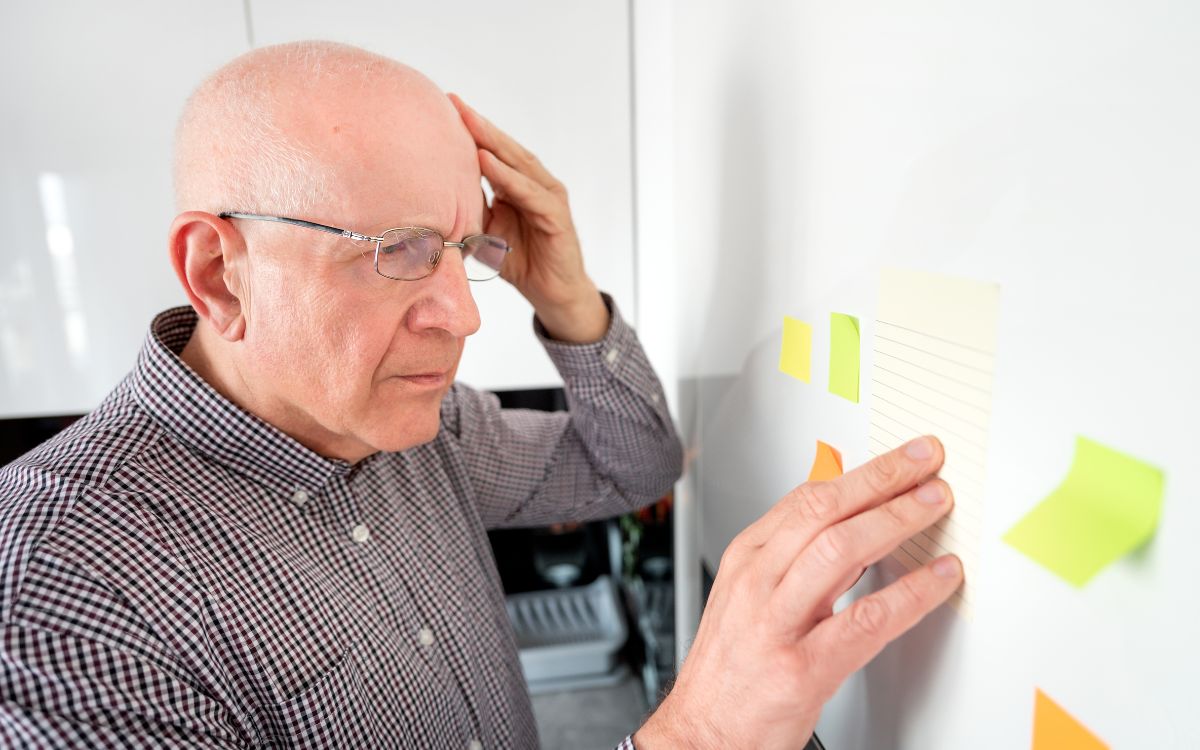
You notice it slowly, like a light that occasionally flickers. Maybe it’s Mom forgetting where she put her keys—again. Or Dad asking the same question about the weather three times in an hour. Your stomach does a little flip. Is this… normal? The world rushes to label it: dementia, Alzheimer’s, old age. The terms can feel cold and clinical, a diagnosis that overshadows the person.
Let’s start with a deep breath. Helping elderly with memory loss isn’t just about memory exercises or medication schedules. It’s about connection. It’s about meeting them in their world, not forcing them to stay in ours. It’s about preserving the person, not just fighting the condition. This guide is my attempt to walk that path with you. It’s not a medical textbook; it’s a collection of stories, strategies, and a whole lot of heart, learned from families just like yours.
When the Map Gets Fuzzy: Understanding the “Why” Behind the Forgetfulness 🗺️
Think of your brain not as a hard drive, but as a vast, beautiful library. For most of our lives, it’s incredibly well-organized. Recent events are like new bestsellers on a front table. Childhood memories are cherished first editions in a special collections room.
As we age, that library doesn’t necessarily lose books. But the lighting might get a little dimmer. The librarian—the part of the brain that files and retrieves information—might get a bit slower, or take more coffee breaks. A title might be on the tip of your tongue because it’s slightly misfiled. This is often a normal part of aging.
But for some, it’s more than that. Conditions like dementia can be like a glitch in the library’s system. Sections might get jumbled. Whole shelves could become inaccessible. The goal of helping people with dementia remember isn’t to rebuild the entire library from scratch. It’s to find new ways to access the stories that are still there. To read the books that are still open. To make the environment so comfortable and intuitive that even with a faulty catalog, one can still find joy.
This is the core of improving memory in older adults. It’s less about fixing and more about supporting. It’s less about the past they can’t recall and more about the present moment you can still share.
Beyond Crosswords: A Smorgasbord of Memory Improvement Tips for Seniors 🧠
We’ve all heard it: “Do crossword puzzles!” And hey, they’re great. But the brain is a complex organ that craves novelty and variety. Sticking to one type of puzzle is like only ever doing bicep curls. You’ll get great at curls, but your overall fitness? Not so much.
So, let’s think bigger. Let’s think creatively.
Engage the Senses: The Secret Backdoor to Memory
Memory isn’t just a thought; it’s a feeling. It’s a smell. It’s a taste. Tapping into the senses can open up pathways that pure logic can’t always reach.
-
The Power of Scent: The olfactory nerve is directly wired to the memory and emotion centers of the brain. Find a scent from their past—the soap their mother used, the pipe tobacco their father smoked, the smell of fresh-baked bread. Use it gently. Light a scented candle or bake some cookies and see what stories bubble up. You might be astonished.
-
Music as a Time Machine: Create a playlist of music from their teens and twenties. This isn’t just background noise. Put on a song from their senior prom and watch their face. Their foot might start tapping. They might hum along. For a beautiful, fleeting moment, they are back in that gymnasium, feeling the crush of their first love’s hand. This is one of the most powerful tools for helping people with dementia remember who they are at their core.
-
Touch and Texture: Get a basket with different textured fabrics—soft velvet, rough burlap, cool silk. The simple act of running their hands over these can be calming and grounding. It connects them to the physical world in a non-verbal way.
Move the Body to Spark the Mind 🏃♀️
You can’t talk about how seniors can improve memory without talking about their feet. Physical activity is like Miracle-Gro for the brain. It boosts blood flow, which delivers precious oxygen and nutrients.
But forget “exercise” in the punishing, gym-class sense. Reframe it as movement with purpose.
-
Gardening: Digging, planting, weeding. It’s a full-sensory experience that connects them to the rhythm of life.
-
Dancing: See “Music as a Time Machine” above. It’s a two-for-one! It’s physical, joyful, and deeply emotional.
-
A Simple Walk: Not a power walk. A noticing walk. “Look at that red flower!” “Feel how cold the breeze is?” It’s about engaging with the environment, not just covering distance.
The Art of Conversation: Ask Better Questions
Asking “Do you remember your wedding day?” to someone with significant memory loss can be met with a blank, frustrated stare. The pressure to retrieve a specific, high-stakes memory is too much. The file is too deep in the archives.
Instead, try offering a memory. Tell a story.
“Grandpa, I was thinking about that story you told me, about how you and Grandma met at that diner on 5th street. She spilled a milkshake on your lap, didn’t she?”
You’re not testing. You’re gifting. You’re handing them a book from the shelf and saying, “Let’s read this together.” They might not remember the event themselves, but they can engage with the story. They might smile, or add a detail you never knew, or simply enjoy the tale. That connection, that shared emotion, is the win. That’s the heart of improving memory in old age—it’s about the quality of the moment, not the accuracy of the recall.
Your Go-To Kit: Practical Memory Tricks for Senior Citizens
Okay, let’s get practical. Here is a table of simple, everyday memory tricks for senior citizens that you can start using today. Think of them as little life-hacks for the mind.
| Trick | How It Works & How to Do It | Why It’s a Game-Changer 🚀 |
|---|---|---|
| The “One Spot” Rule | Designate a single, obvious spot for chronically lost items (keys, glasses, wallet). A bright ceramic bowl by the front door works wonders. | It outsources the memory to the environment. The brain doesn’t have to remember “where” because “where” is always the same. Reduces daily frustration dramatically. |
| Routine is Your Superpower ⏰ | Create a predictable, gentle flow to the day. Morning tea at 10 am, walk after lunch, music at 3 pm. Write it on a whiteboard in large, clear letters. | Predictability reduces anxiety. When you don’t have to constantly wonder “what’s next?”, your brain has more energy for other things. It creates a safe, comfortable rhythm. |
| Tech to the Rescue | Use a simple digital photo frame that cycles through pictures of family. Set up a smart speaker for reminders: “Alexa, remind me to take my medication at 8 AM.” | It uses modern tools to do the heavy lifting. The photos provide constant, passive connection to loved ones. The verbal reminders are less confrontational than being told by a person. |
| Chunking Phone Numbers | Instead of 8675309, remember it as 867-5309. Or link it to a (silly) story. | It breaks down overwhelming information into bite-sized, memorable pieces. The brain finds it easier to store and retrieve smaller “chunks.” |
| The Link Method | To remember a grocery list (milk, bread, apples), visualize a cartoon cow (milk) eating a loaf of bread (bread) with an apple on its head. | It taps into the brain’s incredible ability to remember vivid, weird, and visual images far better than it remembers abstract lists. |
The Emotional Compass: Navigating the Tough Moments with Grace ❤️
This is the part they don’t put in the medical journals. The part that can leave you feeling heartbroken and helpless. What do you do when they don’t recognize you? When they become agitated, paranoid, or say something truly hurtful?
First, and this is the most important thing: It is not personal. The disease is speaking, not your loved one.
Acknowledge the Feeling, Not the “Fact”
If your father is convinced someone stole his wallet (which is in his pocket), arguing with him will only escalate his fear and confusion. You’re entering a battle of realities, and you can’t win.
Instead, step into his reality. Acknowledge the emotion.
“Dad, it sounds really scary to think your wallet is missing. That would upset me, too. Let’s look for it together. We’ll retrace your steps.”
You’re not agreeing that it was stolen. You’re agreeing that feeling scared is valid. You become an ally, not an adversary. This single shift in approach can de-escalate 90% of difficult situations. You’re helping elderly with memory loss feel safe, which is the most fundamental human need.
You Are Their Anchor in the Storm
Their internal world may be becoming chaotic and frightening. Your role is to be the calm, steady presence. Your tone of voice, your gentle touch, your patient smile—these are the signals that tell them, “You are safe with me.” This is the essence of improve memory in older adults; it’s about creating an emotional state where memory can even have a chance to function. Fear shuts everything down. Safety opens doors.
The Unsung Hero: Taking Care of You 💪
Let’s be brutally honest for a second. This is a marathon, not a sprint. And you are no good to anyone if you are running on empty.
The oxygen mask rule applies here: you have to put on your own mask before assisting others. Caregiver burnout is real, it’s common, and it’s not a sign of weakness. It’s a sign that you’ve been giving from an empty cup.
-
Give Yourself Permission to Step Away: Five minutes. Go outside. Breathe the air. Look at the sky. You are not a machine.
-
Find Your Tribe: Join a support group, online or in person. Talking to people who get it—who understand the unique grief and fatigue—is like finding an oasis in the desert.
-
Celebrate the Tiny Wins: Did they smile today? Did they enjoy a bite of cake? Did they hum along to a song? These are the victories. Write them down. Hold them close. They are the fuel that will keep you going on the hard days.
Your well-being is not a separate issue from theirs. It is intrinsically linked. A rested, supported, and emotionally-regulated you is the single best tool for improve memory in old age that your loved one has. You are the therapy.
A Tapestry Woven with Love, Not Perfection
So, here we are. Helping elderly with memory loss is a profound, heartbreaking, and beautiful journey. It’s not about finding a magic cure. It’s about weaving a new tapestry of your relationship, using threads of patience, creativity, and immense love.
It’s about forgetting the “right” way to do things and discovering what works in this moment. It’s about letting go of the person they were and learning to love the person they are now. It’s about understanding that the goal of improving memory in older adults is, at its heart, about improving the quality of their life, and yours, right now.
You will make mistakes. You will lose your patience. You will cry in the car. That’s okay. This is human work, messy and imperfect.
But you will also have moments of breathtaking connection. A shared laugh over a silly joke. A quiet handhold while watching the sunset. A fleeting, crystal-clear “I love you” that comes out of nowhere and lands right in the center of your heart.
Those are the moments that matter. Those are the memories you will carry forward. And in the quiet, challenging work of helping elderly with memory loss, that might just be the most important memory of all.