
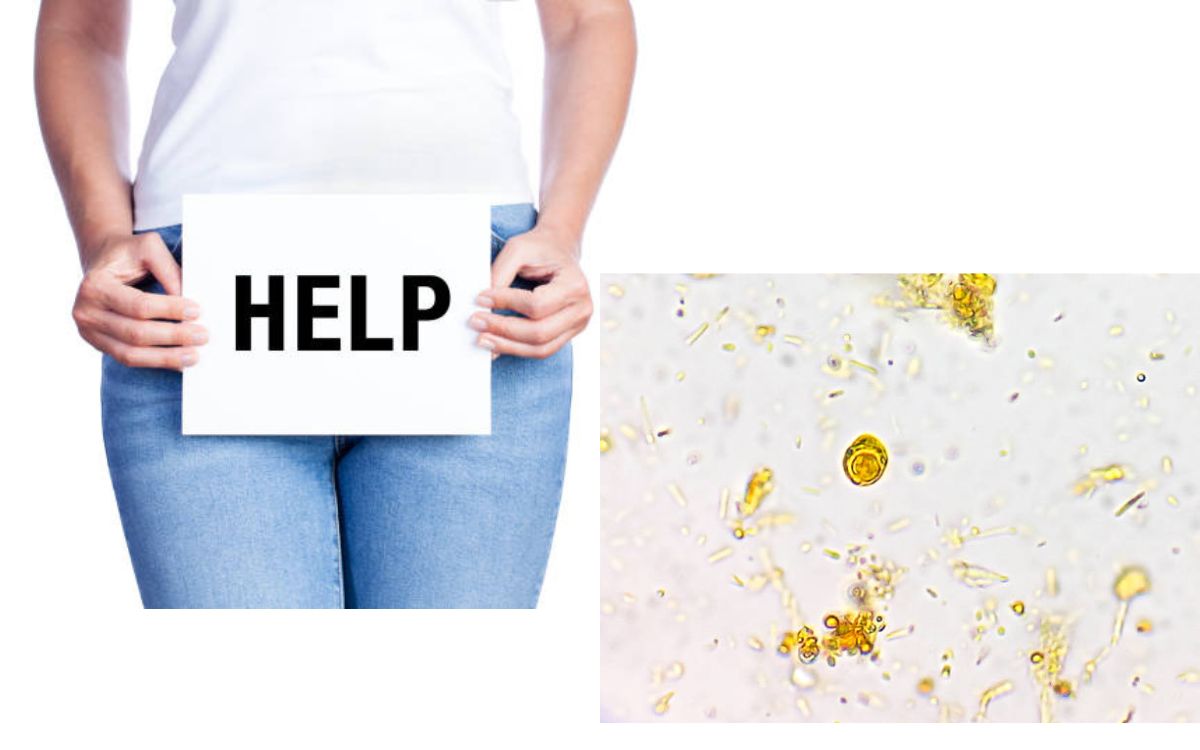
Let’s be real, the moment you start feeling that tell-tale itch, your first frantic thought is how to get rid of a yeast infection in 24 hours. It’s a desperate, urgent hope. You have a big date tomorrow, a critical meeting, a beach day—life doesn’t stop for candida’s nonsense. I get it. I’ve been there, crouched in the bathroom at 2 AM, scouring the internet for a miracle cure. So, let’s have an honest, no-BS chat about what’s actually possible.
This isn’t going to be a sterile, medical-textbook rant. Consider this a conversation with a friend who’s done the research, endured the discomfort, and is here to walk you through the maze of options, from the pharmacy aisle to the pantry shelf. We’ll talk about what works, what doesn’t, and how to navigate the next 24 hours without losing your mind.
The Unwelcome Guest: What Exactly Is Happening Down There? 🤔
First, a quick reframe. Yeast (candida albicans, if we’re being formal) isn’t some foreign invader. It’s a fungus that naturally lives in your vagina, along with a bunch of bacteria, in a delicate, harmonious balance. Think of it like a microscopic ecosystem. It’s only when the balance gets thrown off—when the yeast population explodes—that you get the signature symptoms we all know and loathe.
It’s like your vagina’s personal garden has been overrun by one particularly aggressive, itchy weed.
So, what throws this garden into chaos?
-
Antibiotics: They’re great for killing bad bacteria, but they’re equal-opportunity destroyers, wiping out the good bacteria (lactobacillus) that keep yeast in check.
-
Hormonal Shifts: Pregnancy, your period, or even birth control can change the vaginal environment, making it a more welcoming party zone for yeast.
-
High-Sugar Diets: Yeast has a serious sweet tooth. The more sugar in your system, the more it feasts and multiplies.
-
Moisture & Heat: Tight, non-breathable clothing (hello, skinny jeans and synthetic underwear) creates a steamy sauna where yeast thrives.
-
Stress: Ah, the culprit for everything. High stress cranks up your cortisol, which can mess with your immune system and, you guessed it, your delicate internal balance.
The Symphony of Symptoms: Is This Really a Yeast Infection?
Before you start any treatment, it’s crucial to be sure of what you’re dealing with. Self-diagnosing can be tricky, and what you think is a yeast infection could be something else, like Bacterial Vaginosis (BV) or even an STI. Here’s the classic lineup:
-
The Itch: Not just a little tickle. We’re talking a deep, maddening, “I-want-to-claw-my-skin-off” itch.
-
The Discharge: Often described as thick, white, and clumpy, like cottage cheese. It’s usually odorless, which is a key differentiator from BV.
-
The Redness & Swelling: The vulvar and vaginal tissues can become inflamed, angry, and sore.
-
The Burn: A burning sensation, especially when you pee, or during sex.
-
The General Miserable Feeling: It just makes everything feel… off.
If this is your first time experiencing these symptoms, please, see a doctor or visit a clinic. It’s worth the peace of mind to get a proper diagnosis. For my seasoned veterans who know the drill, let’s dive into the action plan.
The 24-Hour Attack Plan: Your Multi-Pronged Strategy
Let’s manage expectations right now. Completely eradicating a well-established yeast infection in a single day is a tall order. The goal here is dramatic symptom relief and aggressively halting the infection’s progress within 24 hours. You want to go from “I can’t function” to “I can manage this while the treatment finishes its job.”
This isn’t about picking one thing. It’s about a full-court press.
The Pharmacy Frontline: Going Nuclear with OTC Treatments 💣
When you need power, you go to the source. Over-the-counter (OTC) antifungal treatments are the gold standard for a reason. They work.
The Contenders:
-
Monistat (Miconazole) & Gyne-Lotrimin (Clotrimazole): These are the household names. They come in a variety of strengths—1-day, 3-day, 7-day. Here’s the inside scoop: the 1-day option is often a high-dose suppository or cream. While it’s concentrated, it can sometimes cause more initial burning and irritation for some women. The 3-day and 7-day options are lower-dose but sustained attacks, which can be gentler and just as effective.
So, what’s the strongest OTC yeast infection treatment? It’s often the one you can tolerate best that allows you to complete the full course. A 3-day treatment is usually a fantastic balance of power and gentleness.
How to Use Them for Maximum Impact:
-
Timing is Everything: Insert the suppository or cream at bedtime. This gives it hours to work without gravity interfering. Lie down right after insertion.
-
Wear a Pad: These treatments can be messy. A pantyliner or pad will save your sheets and your sanity. (Just make sure it’s fragrance-free!).
-
Finish the Course: Even if you feel 90% better in 24 hours, you must finish the entire treatment. Stopping early is like only taking half your antibiotics—the strongest yeast can survive and come back with a vengeance.
For many women, a single application of a robust OTC cream can provide significant relief from the itching and burning within 12-24 hours. It’s the closest thing to a “get rid of yeast infection immediately” solution you’ll find on the shelf.
The Home Remedy Arsenal: Nature’s Soothing Squad 🌿
While OTC options are the heavy artillery, home remedies are your special forces—excellent for support, soothing, and enhancing the main attack. They are not usually a standalone cure for a full-blown infection, but they are brilliant for answering the call for a natural cure for yeast infection symptom relief.
Boric Acid Suppositories: The Power Player
-
What it is: Boric acid is a white powder that has been used for over a century for its antifungal and antiseptic properties.
-
How it works: It helps to normalize the vaginal pH, making the environment hostile to yeast and friendly to good bacteria.
-
The Vibe: This isn’t something you mix up at home. You buy pre-filled boric acid suppositories from online retailers or some health stores. It is critically important to note that boric acid is for vaginal use only and is highly toxic if ingested. It should never be used if you are pregnant.
Many women with recurrent yeast infections swear by boric acid as their go-to strongest yeast infection treatment in their personal arsenal.
The Greek Yogurt Gambit: Cooling & Culturing
-
What it is: Plain, unsweetened, probiotic-rich Greek yogurt.
-
How it works: The coolness provides instant, heavenly relief to inflamed tissue. The probiotics (especially lactobacillus strains) can help repopulate the good bacteria. This is a topical treatment, not a suppository.
-
How to use it: Take a glob of chilled, plain Greek yogurt, place it on a pad or a clean cloth, and apply it to your vulva. Leave it on for 15-20 minutes, then gently rinse. The relief is immediate and profound. You can also eat it to help your gut flora, which is connected to your vaginal health.
The Coconut Oil Cooldown: Soothe and Fight
-
What it is: Organic, virgin coconut oil.
-
How it works: Coconut oil contains caprylic acid, which has natural antifungal properties. It’s also incredibly moisturizing and soothing.
-
How to use it: Apply a thin layer of solid (but melted by your fingers) coconut oil to the itchy, external areas. It’s a fantastic, natural moisturizer that fights back while it calms. (Do not use as a lubricant with condoms, as it can break down the latex!).
The Baking Soda Bath: The Itch-Busting Soak
-
What it is: Your humble kitchen staple.
-
How it works: A baking soda bath won’t kill the yeast, but it’s miraculous for relieving the external itch. It’s alkaline, which helps to neutralize the acidic irritants on your skin.
-
How to use it: Add about 1/2 to 1 cup of baking soda to a shallow, lukewarm bath. Soak for 15-20 minutes. Pat dry gently. Ahhhhhhh.
The Lifestyle Lockdown: Starving the Beast 🚫
While you’re attacking from the outside, you need to cut off the enemy’s supply lines from the inside. This is a critical part of any plan for how to treat yeast infection at home effectively.
The Sugar Shutdown:
For the next 24 hours (and ideally a few days after), you need to be ruthless. Yeast feeds on sugar. This means:
-
No candy, soda, or desserts.
-
No white bread, pasta, or refined carbs (which your body breaks down into sugar).
-
Be mindful of high-sugar fruits like mangoes and grapes.
It’s a temporary sacrifice for a long-term win.
The Breathability Boost:
-
Cotton Underwear Only: Let the area breathe. If you must wear something fancy, make it a thong with a cotton liner. Better yet, go commando when you’re at home sleeping.
-
Ditch the Tight Pants: Swap the skinny jeans for a skirt or loose-fitting trousers.
-
Change Out of Wet Clothes Immediately: After a workout or a swim, get into dry clothes ASAP.
Hydration Station:
Drink all the water. Flush out the toxins. Support your entire system. It’s simple, but it works.
Your 24-Hour Game Plan: An Hour-by-Hour Guide
Let’s make this practical. Here’s a sample schedule to maximize your relief.
| Time | Action Plan | Why You’re Doing It |
|---|---|---|
| Morning (Upon Diagnosis) | 1. Hit the Pharmacy: Grab a 3-day OVC treatment. 2. Sugar Shutdown: Breakfast is eggs or plain yogurt, not sugary cereal. 3. Wardrobe Shift: Put on cotton underwear and loose-fitting clothes. |
Getting a head start is key. You’re launching the main attack and cutting off the yeast’s food supply from the get-go. |
| Afternoon | 1. Hydrate: Keep a water bottle with you at all times. 2. Probiotic Power: Eat a probiotic-rich lunch (e.g., yogurt, kefir, sauerkraut). 3. Cool Compress: If itching is unbearable, apply a cold, damp cloth to the area for 10 mins. |
You’re supporting the internal battle with good bacteria and managing symptoms to get through your day. |
| Evening | 1. Baking Soda Bath: Take a relaxing, 20-minute soak to calm the itch. 2. Application: Insert your first OTC suppository/cream as directed. 3. Topical Soother: Apply a layer of coconut oil or a yogurt compress externally for extra overnight relief. |
This is your power hour. You’re combining the strongest medical and soothing natural remedies for a synergistic, overnight healing blitz. |
| Next Morning (24-Hour Mark) | 1. Assess: How do you feel? Itch should be vastly reduced. Redness calming. 2. Continue Protocol: Stick with the sugar-free diet, cotton clothes, and your next OTC dose. |
The goal wasn’t a “cure” but “massive relief.” You should be over the worst of the hump and well on your way to recovery. |
The Big Question: Will Yeast Infection Go Away Untreated? 🤷♀️
This is a huge one. Sometimes, a very mild yeast infection might resolve on its own if your immune system is strong and you make immediate lifestyle changes (like cutting out sugar). But it’s a gamble. Do yeast infections cure themselves reliably? No. Not really.
More often, leaving it untreated allows it to get worse. The itching becomes more intense, the inflammation grows, and you risk the infection becoming more entrenched or recurrent. So while the answer to will yeast infection go away untreated is a hesitant “sometimes,” the better question is, “Why on earth would you suffer through that when there are so many effective options available?”
When to Wave the White Flag and Call a Doctor 🚩
Your at-home arsenal is powerful, but it’s not infinite. You need a doctor if:
-
This is your first suspected yeast infection.
-
Your symptoms aren’t improving after 3 days of OTC treatment.
-
Your symptoms get worse.
-
You have a fever, chills, or lower abdominal pain.
-
You have recurrent infections (4 or more in a year).
-
You’re pregnant.
A doctor can confirm it’s definitely yeast and not something else, and can prescribe a powerful oral medication like Fluconazole (Diflucan), which is a single pill that can be incredibly effective.
The Final Word: Your Path to Peace
So, can you figure out how to get rid of a yeast infection in 24 hours? You can get breathtakingly close. You can silence the itch, calm the fire, and reclaim your comfort. The blueprint is a combination of a reliable OTC antifungal, supported by soothing natural remedies and a strict lifestyle lockdown. It’s a multi-pronged assault that gives you your life back while the medicine does its final, thorough work.
Remember, you’re not just treating an infection; you’re restoring balance to your own personal ecosystem. Listen to your body, be kind to it, and don’t hesitate to call in the professionals when you need to. Here’s to a more comfortable tomorrow.
Disclaimer: I am not a medical doctor. This article is based on extensive research and personal anecdotal experience, but it is not a substitute for professional medical advice, diagnosis, or treatment. Always seek the advice of your physician or other qualified health provider with any questions you may have regarding a medical condition