
We’ve all been there. That moment of panic before a close conversation, a quick breath check into a cupped hand, and the sinking feeling that things are… less than fresh.
Bad breath is a universal human experience, and we’re all searching for that magic bullet.
Lately, my social media feeds have been flooded with people swishing oil in their mouths, making grand claims about a practice called oil pulling.
So, I dove down the rabbit hole. I read the studies, tried it myself for a solid month, and talked to experts. Now, I’m here to share the real, unvarnished truth.
Is oil pulling effective for bad breath?
It’s a question with a more fascinating answer than you might think.
This isn’t going to be a dry, clinical rundown. We’re going to explore this together, with a healthy dose of curiosity and skepticism. We’ll look at the ancient wisdom, the modern science, and the very real, very human experience of swishing coconut oil for twenty minutes.
So, grab a cup of tea (maybe hold the garlic bread for now), and let’s get into it.
What on Earth Is Oil Pulling, Anyway?
Close your eyes and imagine this. It’s 3,000 years ago in ancient India. The sun is rising, and someone is reaching not for a toothbrush, but for a jar of sesame oil. This is the root of oil pulling, a cornerstone of Ayurveda, a traditional system of medicine that views health as a balance of mind, body, and spirit.
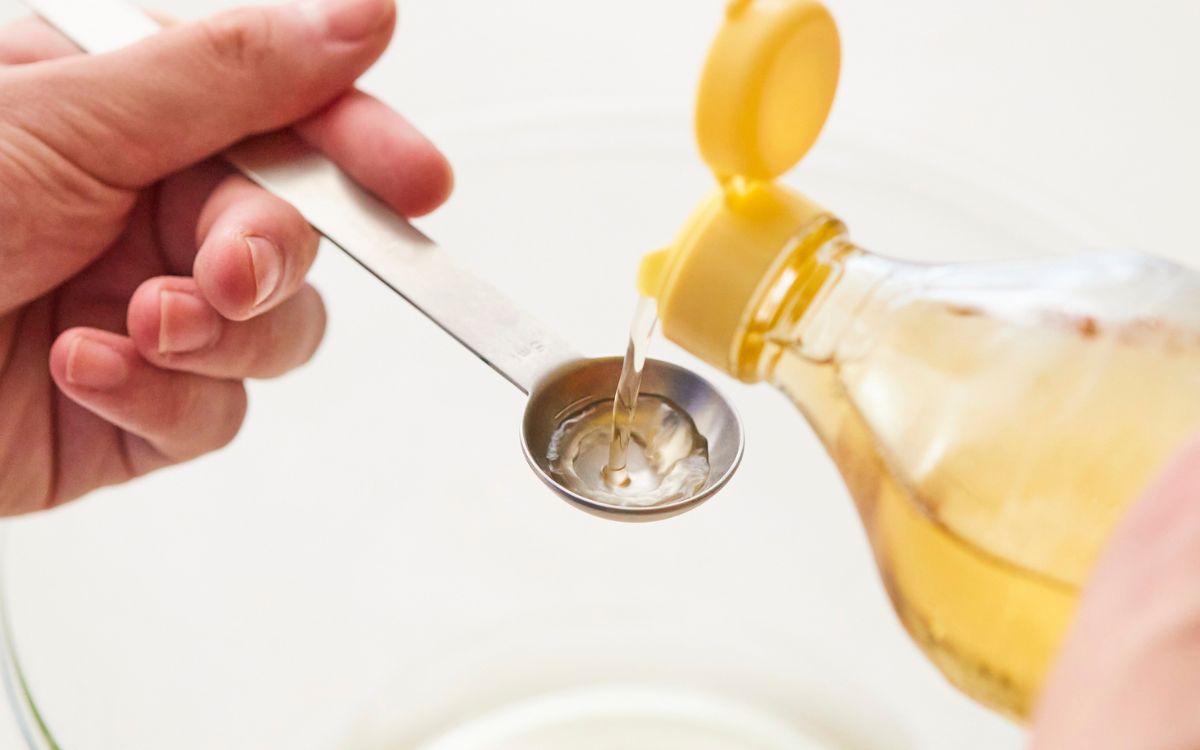
In its simplest form, oil pulling is the act of swishing a tablespoon of edible oil—typically coconut, sesame, or sunflower—around your mouth for a sustained period, usually 10 to 20 minutes. You’re not just gargling; you’re “pulling” the oil through your teeth, pushing and sucking it into every nook and cranny.
The idea is that this process acts like a detoxifying magnet. It’s said to “pull” out toxins, bacteria, and other nasties that contribute to plaque, gum disease, and yes, our arch-nemesis: bad breath.
Then, after what feels like a small eternity, you spit it out. And let me tell you, what comes out is not pretty. It’s a milky, frothy, thin liquid that you absolutely do not want to swallow. The thought is that all the gunk you just worked loose is now in that cup, on its way to the trash. It’s a strangely satisfying, if slightly gross, ritual.
But here’s the critical thing to latch onto right from the start: Oil pulling is not a replacement for brushing and flossing.
Think of it less as a superhero and more as a very dedicated sidekick. It’s the Robin to your Batman, the Samwise to your Frodo. It might provide crucial support, but it’s not going to single-handedly save the day.
The Stinky Science of Bad Breath (Let’s Get Uncomfortable)
To understand if oil pulling can help, we need to know what we’re fighting. And I’m sorry, but we have to get a little gross. This isn’t about the temporary smell of the coffee you just drank or the onion bagel you had for breakfast. We’re talking about true, chronic halitosis.
Most of the time, the culprit is right inside your mouth. Picture a microscopic city teeming with bacteria, mostly on your tongue and in the pockets between your gums and teeth. These bacteria are just living their lives, and part of that life involves breaking down proteins from food particles, dead skin cells, and post-nasal drip.
This metabolic process releases volatile sulfur compounds (VSCs). Say that three times fast. Or just remember that these VSCs are what give bad breath its characteristic aroma—think rotten eggs, a backed-up drain, or something truly foul. It’s a bacterial waste product, and it’s the primary source of the problem.
So, the battle for fresh breath is really a battle against these bacteria and the environments they thrive in. This includes:
- Plaque: That sticky, colorless film of bacteria that constantly forms on your teeth.
- A Coated Tongue: The back of your tongue is a prime real estate for bacteria to hide and multiply.
- Gum Disease (Gingivitis): Inflamed, bleeding gums create deeper pockets for bacteria to live, away from the reach of your toothbrush.
- Dry Mouth: Saliva is nature’s mouthwash. A dry mouth is a stagnant, bacteria-friendly pond.
If we can reduce the bacterial load and clean up their playground, we can reduce the stink. This is exactly where the theory behind oil pulling for halitosis comes into play.
How Could Swishing Oil Possibly Work? The Mechanics of the “Pull”
It sounds weird, right? How can swishing vegetable oil possibly make a difference? The proposed mechanisms are actually quite elegant, blending simple physics with a bit of biochemistry.
1. The “Sticky Net” Theory:
As you swish the oil vigorously around your mouth, it gets squeezed between your teeth and spread over your gums and tongue. The oil is thought to act like a liquid net, trapping bacteria, plaque, and debris as it goes. These particles are often hydrophobic (they repel water) but are lipophilic (they’re attracted to fat). So, the oil literally captures them. When you spit it out, you’re theoretically evicting a significant number of these odor-causing microbes from your mouth.
2. The “Plaque Disruptor” Theory:
Plaque is a biofilm—a tightly knit community of bacteria that sticks to your teeth. Some research suggests that the act of swishing oil can help break up and loosen this biofilm, making it easier to remove when you finally brush your teeth afterward. Less plaque means fewer bacteria, which means less smell.
3. The “Soothing” Effect:
For some people, oil pulling seems to have a mild anti-inflammatory effect on the gums. Healthier gums are less likely to bleed and create those deep, bacteria-harboring pockets we talked about.
4. The Coconut Oil Bonus:
This is where things get interesting. While traditional oil pulling uses sesame oil, coconut oil has stolen the modern spotlight for a good reason. It’s rich in a medium-chain fatty acid called lauric acid. Lauric acid is known for its potent antimicrobial and anti-inflammatory properties. It’s like sending in a special forces unit to tackle the bacteria, rather than just a regular militia. So, when people ask, “is oil pulling with coconut oil better?” the science hints at a resounding “probably.”
The Million-Dollar Question: What Does The Science Actually Say? 🔬
Alright, this is the part you’ve been waiting for. We’ve heard the anecdotes. We understand the theory. But what does cold, hard, peer-reviewed scientific evidence say about oil pulling and oral health?
Let’s put on our lab coats and dig into some of the most cited studies.
The Promising (But Flawed) Early Research
A 2011 study published in the Indian Journal of Dental Research is often the go-to for oil pulling proponents. This study compared sesame oil pulling to chlorhexidine, the gold-standard antibacterial mouthwash, in a group of 20 adolescents. The result? Oil pulling was as effective as the medicated mouthwash at reducing the markers of bad breath. Sounds amazing, right?
But we have to look closer. The sample size was tiny—only 20 people. It’s a good starting point, but it’s not enough to declare a definitive victory. It’s like tasting a single cookie and declaring the whole batch perfect.
The Systematic Reviews: A Dose of Reality
Science gets more reliable when we look at “systematic reviews” and “meta-analyses”—these are studies that gather all the available research on a topic and analyze it together.
A 2020 review in Complementary Therapies in Medicine did just that. After analyzing multiple trials, they concluded that oil pulling can significantly reduce the colony count of oral bacteria, specifically Streptococcus mutans (a major cavity-causer). This is a big win for the “how.” However, when it came to the direct question of is oil pulling effective for bad breath, the review noted the evidence was “limited.” The studies just weren’t robust or specific enough to make a blanket statement.
Another review pointed out that while oil pulling shows promise in reducing plaque and gingivitis (which are indirectly linked to bad breath), the overall quality of the research is “low.” Many studies are small, short-term, and lack proper control groups.
So, What’s the Scientific Verdict?
The scientific community isn’t ready to prescribe oil pulling as a primary treatment. The evidence is promising but preliminary. It suggests that oil pulling can be a useful adjunct—a fancy word for “helper”—to a solid oral hygiene routine. It seems to reduce bacteria and plaque, which in turn should help with bad breath.
But is it a miracle cure? No. The science doesn’t support that. Yet.
To make this clearer, let’s see how it stacks up against the proven champions of oral hygiene.
| Tactic | How It Fights Bad Breath | Scientific Backing | Effort Level |
|---|---|---|---|
| Brushing & Flossing | Physically removes bacteria and food debris from teeth and gums. The #1 non-negotiable. | Overwhelming ✅ | Medium |
| Tongue Scraping | Removes the bacterial coating from the tongue, where ~70% of odor-causing bacteria live. | Very Strong ✅ | Low |
| Staying Hydrated | Flushes away food particles and promotes saliva, your natural mouth cleanser. | Very Strong ✅ | Low |
| Therapeutic Mouthwash | Uses antibacterial agents (e.g., CPC) to kill bacteria directly. | Strong ✅ | Low |
| Oil Pulling | May “trap” bacteria and reduce plaque biofilm as an adjunct therapy. | Promising but Limited | High |
See the pattern? The most scientifically backed methods are also the simplest. Oil pulling requires the most effort for the least certain reward.
Okay, I’m Curious. How Do I Actually Do This?
If you’ve read this far and you’re still intrigued (I was!), here’s a practical, step-by-step guide to doing it safely. My first time was a comedy of errors, so learn from my mistakes.
Step 1: Choose Your Oil
The crowd favorite. It’s solid at room temperature but melts quickly in your mouth. The lauric acid gives it a leg up, and many people find the taste mild and slightly sweet. (Pro-tip: Get the virgin, unrefined kind).
The traditional choice. It has a nutty, stronger flavor that some love and others… don’t.
A neutral-tasting alternative.
Step 2: The Swish (This is the Weird Part)
- Take about a tablespoon of oil and put it in your mouth. If it’s coconut oil, it will melt within seconds.
- Start swishing. Gently. Don’t aggressively gargle or strain your jaw. Just push, pull, and suck the oil through your teeth. Let it slide over your tongue and gums. It will start to get thinner and more saliva-filled.
- Set a timer. Start with 5-10 minutes if you’re new. Work your way up to 15-20. Do not swish for longer than 20 minutes. This is not a “more is better” situation.
- DO NOT SWALLOW. As you swish, the oil is trapping bacteria. You do not want to ingest that. If your mouth feels too full, you can spit a little out and keep going.
Step 3: The Grand Finale (The Spit)
- After your time is up, spit the oil into a trash can, not your sink. Over time, oil can solidify and clog your pipes. Trust me on this.
- Immediately rinse your mouth thoroughly with warm water. Swish the water around to get any residual oil out.
- Now, brush your teeth as you normally would. This is a crucial step to remove any remaining bacteria and oil.
Warnings & What to Watch Out For ⚠️
It’s natural, but it’s not without its quirks and risks.
- The Jaw Factor: If you have TMJ issues or a sensitive jaw, 20 minutes of swishing might be too much. Listen to your body. Start with 5 minutes.
- Lipoid Pneumonia: This is the big, scary-sounding one, but it’s rare. It happens if you inhale the oil into your lungs, which can cause a serious infection. This is why you spit gently and don’t throw your head back to gargle.
- Upset Stomach: If you accidentally swallow a bit, it might cause some digestive discomfort or diarrhea. Your body isn’t used to processing that much pure fat at once.
- It’s Not a Cure-All: Do not, under any circumstances, use oil pulling to treat a serious dental issue like an abscess, severe gum disease, or a toothache. See a dentist.
My Personal Month-Long Experiment 🧪
I committed to oil pulling with coconut oil every morning for 30 days. Here’s my honest, human take.
The Final Verdict: So, Is Oil Pulling Effective For Bad Breath?
Let’s circle back to the core question that brought you here. After all this—the ancient history, the modern science, and the personal trial—what’s the final answer?
It is not a magic wand. It is not a substitute for the fundamentals of oral care. The evidence suggests it works as a supportive player, not the star of the show.
Think of your oral hygiene as a team sport. Brushing and flossing are your star quarterbacks. Tongue scraping is your all-star wide receiver. Staying hydrated is your reliable offensive line. Oil pulling? It’s a dedicated special teams player. It comes in for specific plays, provides a boost, and helps secure the win. But you can’t win the game with special teams alone.
If you’re someone who enjoys natural remedies, doesn’t mind the odd ritual, and is looking for an extra edge in your fight for fresh breath, then oil pulling is absolutely worth a try. It’s low-cost, natural, and for many, it provides a tangible feeling of cleanliness.
But if the idea of swishing oil for 20 minutes makes you want to gag, or you simply don’t have the time, don’t stress. You are not doomed to a life of bad breath. The science is crystal clear on what works: consistent brushing, daily flossing, scraping your tongue, and drinking plenty of water. Is oil pulling effective for bad breath? It can be a helpful piece of your puzzle, but it’s not the only piece.
The real truth is, the most powerful tool for fresh breath is already in your medicine cabinet. It’s your toothbrush. Use it well, and you’re already 90% of the way there.