
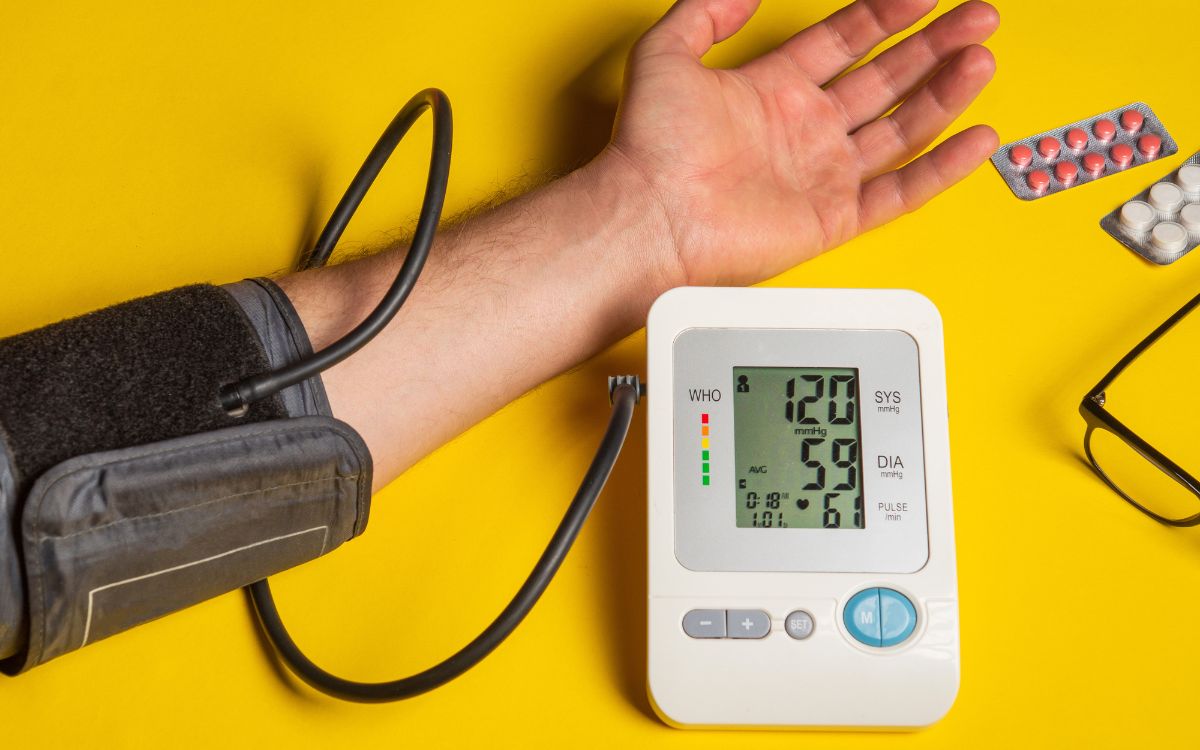
The Tightrope Walk:
Blood Pressure, Diabetes, and Life After 80
Aging undeniably brings wisdom, but it also introduces complex health puzzles. For seniors over 80 living with diabetes, managing blood pressure isn’t just a routine checklist—it is a delicate, daily tightrope walk.
Push the numbers too high, and the risk of a stroke or heart attack looms. Push them too low with aggressive medication, and you introduce the sudden, devastating risk of dizziness, fainting, and life-altering falls.
This guide cuts through the confusing medical jargon. Simple. Clear. Actionable. Let’s dive in.
Why Blood Pressure Matters More With Age and Diabetes
Diabetes fundamentally damages blood vessels over time. 🩸 High blood pressure acts like a pressure washer on those already-fragile pipes, straining them to their breaking point. For seniors in their 80s, this combination multiplies severe risks:
💔
Heart Attacks
The heart is forced to pump against immense resistance, thickening the heart muscle and increasing the likelihood of sudden cardiac events.
🧠
Strokes
Weakened vessels in the brain are highly susceptible to rupturing or becoming blocked by clots when pressure spikes.
🫘
Kidney Damage
The delicate filtration system in the kidneys relies on precise pressure. Diabetes and hypertension combined rapidly accelerate renal failure.
👁️
Vision Loss
Micro-vessels in the eyes can burst under high pressure, exacerbating diabetic retinopathy and threatening permanent sight loss.
⚠️ The Danger of “Too Low”
While high numbers are scary, aggressive lowering of blood pressure in octogenarians is incredibly dangerous. Over-medicating causes the blood pressure to drop too far (hypotension). 😵💫
This reduces crucial blood flow to the brain, causing dizziness, confusion, and most dangerously, falls. For an 80-year-old, a fractured hip from a dizzy spell is often far more immediately life-threatening than moderately elevated blood pressure.
Blood Pressure Targets:
What the Experts Actually Say
If you look up blood pressure goals, the guidelines vary wildly. Why? Because medical bodies disagree on priorities for older adults. Frailty, mobility, other illnesses, and overall life expectancy completely change the math.
Here is a clear snapshot of the differing medical opinions:
The Strict Approach
🫀 American Heart Association (AHA)
The Context: This is the standard goal for most diabetic adults. However, for those over 80, many geriatricians feel this target is far too aggressive and increases the risk of dangerous fainting spells.
The Cautious Approach
👴👵 American Geriatrics Society (AGS)
The Context: This guideline heavily prioritizes safety. It recognizes that in frail seniors, preventing a catastrophic fall from low blood pressure is more immediately urgent than achieving “perfect” textbook numbers.
The Realistic Approach
🎯 The Individualized “Sweet Spot”
The Context: For the vast majority of seniors over 80 living with diabetes, doctors aim for this middle ground. It keeps pressure low enough to protect the heart and kidneys, but high enough to ensure the brain gets adequate blood flow to prevent dizziness.
⚠️ Critical Insight
“One size does NOT fit all. A healthy 80-year-old marathon runner might handle tighter control (e.g., 130/80). A frail senior with dementia or a history of falls requires gentler goals (e.g., 150/90).”
Never adjust blood pressure medication based on an internet chart. Always work with a geriatrician or primary care doctor to establish a personal “sweet spot” that respects the unique reality of your, or your loved one’s, aging body.
The Two-Sided Coin:
Risks of HIGH vs. LOW Blood Pressure
When you are navigating life in your 80s with diabetes, your blood vessels have already been through a lot. Chronic blood sugar fluctuations naturally make arteries stiffer and less elastic over time. Because of this rigidity, your body loses its ability to easily absorb pressure changes. This turns both high and low blood pressure into immediate, high-stakes medical concerns. Let’s break down exactly what happens on both sides of the spectrum.
📈 The Dangers of High BP (Hypertension)
Think of hypertension like forcing water through a brittle, aging garden hose at maximum pressure. Eventually, the structural integrity gives way. For a senior with diabetes, this immense internal pressure leads to catastrophic “blowouts” or blockages.
- Strokes (Brain): High pressure can rupture the delicate, sugar-weakened blood vessels in the brain, causing a hemorrhagic stroke. Alternatively, it can dislodge plaque, leading to an ischemic stroke.
- Heart Attacks: The heart is a muscle. When it has to pump violently against high resistance 24/7, the muscle thickens, tires out, and requires more oxygen than the clogged arteries can supply, leading to heart failure or acute myocardial infarction.
- Kidney Failure: The kidneys are essentially millions of microscopic blood filters. Hypertension destroys these delicate filters, accelerating the diabetic kidney damage (nephropathy) that puts seniors on dialysis.
📉 The Dangers of Low BP (Hypotension)
In geriatrics, “too low” is often deadlier than “too high.” When blood pressure drops—often due to over-medication—there simply isn’t enough force to push blood upwards against gravity to the brain and vital organs.
- Orthostatic Hypotension & Falls: This is the sudden, terrifying dizzy spell when standing up from a chair or bed. The room goes black, the knees buckle, and a fall occurs. For someone over 80, a fractured hip often triggers a cascade of hospitalizations and a permanent loss of independence.
- Fainting & Head Traumas: Sudden drops in pressure (syncope) can cause a senior to lose consciousness entirely, resulting in devastating traumatic brain injuries upon hitting the floor.
- Poor Organ Perfusion: If the pressure is too low, the brain, kidneys, and heart simply do not get enough oxygen-rich blood. This mimics dementia, causing severe confusion, profound fatigue, and sluggish organ function.
💡 Pro Tip: Symptoms Over Numbers
Never treat a piece of paper; treat the patient. A textbook “perfect” blood pressure of 120/80 is entirely useless if it leaves an 85-year-old too dizzy to walk to the bathroom safely. Dizziness, lethargy, and mental fog are medical red flags. Report them immediately, even if the machine says the numbers are “good.”
5 Golden Rules for Home Blood Pressure Checks
When adjusting medications for fragile seniors, doctors rely heavily on home readings. Why? Because “white coat syndrome”—the anxiety of being in a doctor’s office—artificially spikes blood pressure. However, home readings are only helpful if they are accurate. A bad reading leads to bad medical decisions.
⏰ 1. The Timing Trap
The Mistake: Measuring immediately after waking up, having morning coffee, or taking medications.
The Fix: Wait at least 30 minutes after consuming caffeine, smoking, or eating a heavy meal. Also, empty your bladder before measuring! A full bladder can artificially spike blood pressure by up to 10-15 points.
🪑 2. The Posture Protocol
The Mistake: Sitting on a soft couch with legs crossed, or letting the arm dangle at the side.
The Fix: Posture dictates pressure. Sit in a firm dining chair with your back fully supported and both feet flat on the floor (uncrossed legs). Rest your arm on a table so that the cuff is perfectly level with your heart. An arm that is too low will read artificially high.
📏 3. The Cuff Fit Physics
The Mistake: Buying a random monitor without checking the arm circumference size.
The Fix: Cuff size is non-negotiable. If you put a small standard cuff on a larger arm, the machine has to squeeze excessively hard, giving a falsely high reading (often leading to over-medication). If the cuff is too loose, the reading will be falsely low. Measure the bicep and buy the corresponding cuff size.
📅 4. The Consistency Key
The Mistake: Checking randomly throughout the week, usually only when feeling unwell.
The Fix: Blood pressure naturally fluctuates minute by minute. To find a true baseline, check it at the exact same time every day (e.g., every morning before breakfast and medications). Take two readings, one minute apart, and average them.
😌 5. The Rest Requirement
The Mistake: Walking into the room, slapping the cuff on, and pressing the start button immediately.
The Fix: Sit down, secure the cuff, and then do absolutely nothing for 5 full minutes. Do not talk. Do not watch the news. Let your cardiovascular system settle down to its true resting state before taking the measurement.
📊 Always log your readings in a notebook or app. Bring this exact log to every doctor’s appointment. It is the most valuable tool they have.
Lifestyle Tweaks:
Your First Line of Defense
Medications are essential, but they come with heavy side effects for octogenarians. Lifestyle changes, however, have only positive side effects. Small, daily habits can drastically reduce the need for aggressive pharmacological interventions.
🍽️ 1. Diet: The Salt-Sugar Tango
The Salt Problem: As we age, our taste buds dull, leading seniors to heavily salt their food. Sodium pulls water into the bloodstream, increasing total blood volume and thereby increasing pressure. Hidden sodium in canned soups, frozen dinners, and deli meats is the real enemy.
The Fix: Swap the salt shaker for robust herbs (rosemary, thyme, garlic) or a heavy squeeze of fresh lemon zest to wake up the palate.
The Sugar Problem: For diabetics, high blood sugar directly inflames the lining of the blood vessels, making them stiff and resistant to blood flow.
The Fix: Control simple carbohydrates. Swap white rice for cauliflower rice, and white bread for whole-grain or sourdough options to protect those vascular walls.
🚶♂️ 2. Move Smart, Not Hard
Exercise acts like a pressure-release valve for the cardiovascular system. It also forces the muscles to consume glucose, simultaneously lowering blood sugar.
- The Daily Walk: Just 15 to 20 minutes of leisurely walking a day drastically improves vessel elasticity. It doesn’t have to be a marathon; consistency beats intensity.
- Chair Yoga & Resistance: Building slight muscle mass and improving flexibility through chair yoga not only helps circulation but profoundly improves balance, which is the ultimate defense against falls.
😴 3. Stress & Sleep Hygiene
The Cortisol Spike: Chronic stress, anxiety, or pain floods the aging body with cortisol. Cortisol tightens blood vessels and triggers the liver to dump sugar into the blood.
The Fix: Practice the 4-7-8 breathing method (inhale 4 seconds, hold 7, exhale 8) to instantly reset the nervous system.
The Sleep Deficit: Poor sleep drastically worsens insulin resistance and keeps blood pressure elevated overnight (when it should naturally dip).
The Fix: Minimize fluid intake 2 hours before bed to stop nighttime bathroom trips. Keep the room pitch dark, cool, and banish glaring tablet screens before sleep.
Medications: Proceed with Extreme Caution
In a 50-year-old, the liver and kidneys process medications quickly. In an 85-year-old, those organs process drugs much slower. This means a “standard” dose can build up to toxic levels, causing massive blood pressure drops. Understanding your prescriptions is vital. Here are the most common classes used for diabetic seniors:
✅ The Pros: Exceptionally good for diabetics because they actively protect the kidneys from diabetic damage.
⚠️ The Cons: Can cause a persistent, irritating dry cough. More dangerously, they can cause potassium levels to spike dangerously high in older adults.
🩺 Geriatric Reality: A great first-line defense, but requires frequent blood tests to monitor kidney function and potassium.
✅ The Pros: Highly effective at relaxing the blood vessels. They are generally gentle on aging kidneys and work reliably well in elderly populations.
⚠️ The Cons: A notorious side effect is peripheral edema—severe fluid retention that causes heavy, swollen ankles and feet, making walking painful.
🩺 Geriatric Reality: Very common and safe, but ankle swelling must be monitored so it doesn’t impair mobility.
✅ The Pros: Excellent at reducing overall fluid volume, lowering pressure quickly and relieving heart strain.
⚠️ The Cons: They force frequent urination. This drastically increases the risk of dehydration, electrolyte crashes, and nighttime trips to the bathroom in the dark (the #1 cause of broken hips).
🩺 Geriatric Reality: Should be used at the lowest possible dose in the elderly, and always taken in the morning to prevent night-time wandering.
“Start LOW, and go SLOW.”
Medications must be scrutinized. Demand a comprehensive medication review with your doctor every 3 to 6 months to ensure the benefits still outweigh the risks.
🚨 When to Call the Doctor NOW
Do not wait for your next appointment. Do not “sleep on it.” Seek immediate medical attention or visit the emergency room if you or your loved one experiences:
- Hypertensive Crisis: A blood pressure reading abruptly spiking over 180/110 mmHg. Do not wait for symptoms; this requires immediate medical intervention to prevent stroke.
- Severe Hypotension: A blood pressure reading plunging below 90/60 mmHg, especially if accompanied by profound dizziness, blurred vision, or inability to stand.
- The Silent Alarms: Sudden, unexplained confusion, slurred speech, drooping of the face, a feeling of “heaviness” or pressure in the chest, or shortness of breath—regardless of what the blood pressure machine says.
The Bottom Line
The Goal: Aim for a balanced, realistic target of 140-150 / 80-90 mmHg unless your specific geriatric specialist advises otherwise.
The Monitor: Check at home with strict, proper technique. Track symptoms just as closely as you track the numbers.
The Lifestyle: Protect your vessels with smart salt/sugar control, gentle daily movement, and dedicated stress reduction.
The Meds: Review prescriptions frequently. Always weigh the benefit of lower numbers against the profound risk of a fall.
💬 Your health isn’t a single number on a digital screen. It’s an ongoing conversation. Work closely with your doctor. Adjust constantly. Adapt safely. And thrive in your 80s and beyond.