
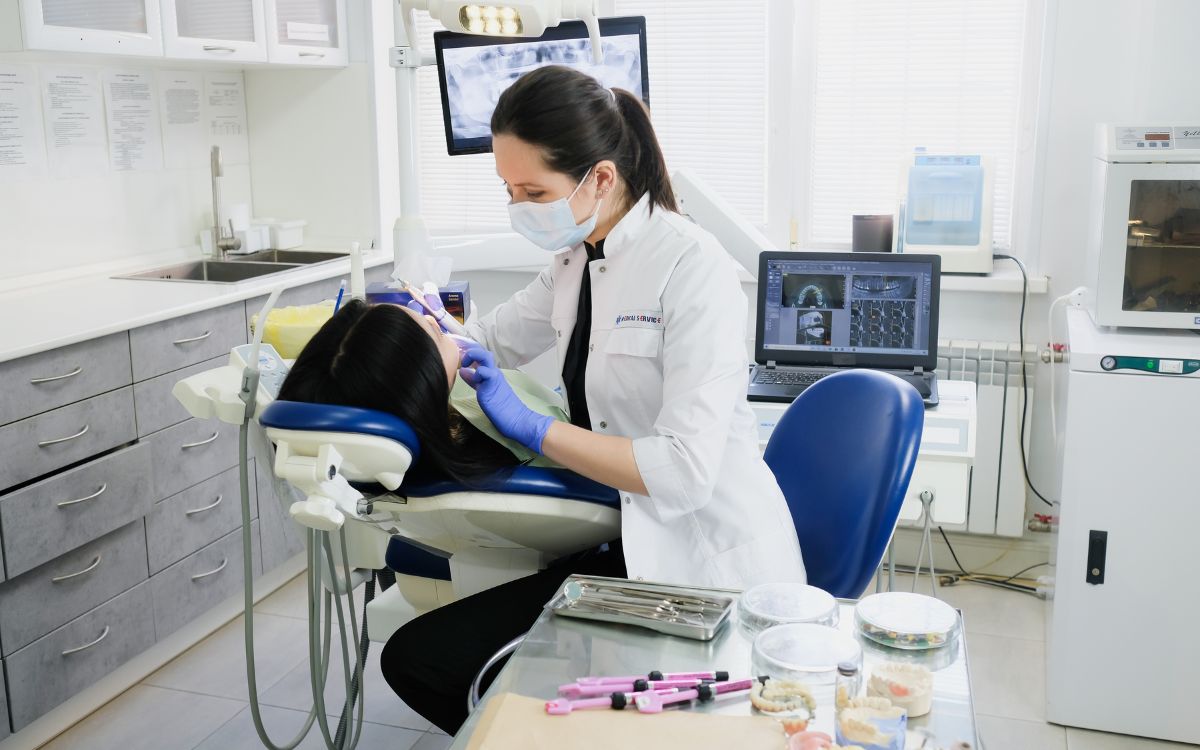
Finding safe dental treatments during second trimester pregnancy is a top concern for expecting moms. And rightly so! Your health is vital for your baby’s development. The good news? Dental care isn’t just safe during this time; it’s highly recommended.
Let’s cut through the confusion and focus on what you can do to keep your smile healthy while protecting your little one.
Why the Second Trimester is the Sweet Spot
The first trimester? Often marked by fatigue and nausea. 🤢 The third? Hello, discomfort and nesting urges! 🪑 The second trimester, roughly weeks 14 to 27, is usually the golden window for elective procedures.
-
Morning Sickness Eases: Less nausea makes lying back in the dental chair much more manageable. No more worrying about sudden waves of sickness during your cleaning.
-
Critical Development Phase Passed: The major organ development frenzy of the first trimester is largely complete, reducing theoretical risks.
-
Increased Comfort: You likely have more energy and feel physically better than in the early or late stages. Comfort matters!
-
Time to Address Issues: Tackling problems now prevents potential pain or infection later in pregnancy or postpartum. Don’t kick the can down the road.
Essential & Safe Dental Treatments During Second Trimester Pregnancy
Here’s the reassuring list of procedures considered low-risk and beneficial:
-
Professional Cleanings (Prophylaxis): Absolutely essential! Hormonal changes increase gum sensitivity and inflammation (pregnancy gingivitis). Regular cleanings remove plaque and tartar that brushing/flossing miss, preventing gingivitis from worsening into periodontitis (linked to preterm birth risks). 😊 This is non-negotiable preventive care.
-
Dental Exams: A thorough check-up allows your dentist to spot cavities, gum disease, or other issues early. Early detection = simpler, safer treatment. Tell your dentist you’re pregnant!
-
Fillings (Restorations): Yes, cavities can and should be filled. Untreated decay is a source of infection. Modern composite (tooth-colored) fillings are preferred. Removing decay and placing a filling stops the problem. Delaying risks pain and infection.
-
Root Canals (If Needed): Surprised? Severe toothache or infection? A root canal is often the safest option. It removes infected pulp, relieves pain, and eliminates the infection source. Leaving an infected tooth is far riskier than the treatment itself. 👍
-
Crowns (Caps): If a tooth is badly broken or decayed, placing or recementing a crown protects it. This prevents further damage and potential infection. Necessary restorative work is safe.
-
Simple Extractions: Sometimes, a tooth is too damaged to save. Removing a severely infected or non-restorable tooth is safer than leaving it. Your dentist will assess the complexity.
-
Treating Dental Emergencies: Never ignore severe pain, swelling, or trauma! Infections spread. Abscesses are dangerous. Emergency care (like draining an abscess or treating a cracked tooth) is always prioritized, regardless of trimester. Pain and infection stress your body – addressing them is crucial.
Pain Management & Numbing: What’s Safe?
Fear of anesthesia is common. Breathe easy:
-
Local Anesthetics (Lidocaine, Articaine etc.): These are safe. They numb just the specific area being treated. Your dentist will use the smallest effective dose. The numbing agent stays localized; it doesn’t travel to your baby. 🙏
-
Avoid Epinephrine? Sometimes. Lidocaine with epinephrine (adrenaline) is standard. It constricts blood vessels, making the numbing last longer and reducing bleeding. For routine procedures, the tiny amount used is generally considered safe. However, some dentists prefer epinephrine-free options for pregnant patients as a precaution, especially if you have high blood pressure. Discuss this openly with your dentist and OB/GYN.
What About Dental X-Rays?
Necessary X-rays are safe with precautions.
-
Modern digital X-rays use minimal radiation.
-
A leaded apron covers your abdomen and thyroid, shielding your baby.
-
X-rays are only taken if absolutely needed for diagnosis or treatment planning (e.g., assessing pain, infection, trauma). A routine check-up cleaning might not need them. Your dentist won’t take unnecessary risks.
Treatments to Postpone Until After Delivery
Some elective procedures can wait:
-
Teeth Whitening: Both in-office and take-home kits. The safety of bleaching agents during pregnancy isn’t fully established. Hold off for brighter days ahead. ✨
-
Cosmetic Procedures: Veneers, cosmetic bonding (unless necessary for a broken tooth), purely aesthetic treatments. Save these for your post-baby smile celebration!
-
Non-Essential Oral Surgery: Complex wisdom tooth extractions or major jaw surgery without urgent need should typically wait.
Communicating is Key: Your Dental Team is Your Partner
-
Tell Them You’re Pregnant: Always inform the front desk and your dentist/hygienist, even if you just suspect it. This changes everything about your care plan.
-
Share Your OB/GYN’s Info: Provide your obstetrician’s name and contact details. Your dentist may want to consult them, especially for complex cases.
-
List Your Medications & Vitamins: Include prenatal vitamins. This helps avoid interactions.
-
Discuss Concerns: Anxious about pain? Worried about X-rays? Ask! A good dentist will explain everything clearly and address your fears. Open dialogue builds trust.
-
Mention Pregnancy Symptoms: Severe nausea? Back pain? Let them know so they can make you more comfortable (extra pillows, breaks).
Your At-Home Dental Care Power-Up
Professional care is vital, but your daily routine is your first defense:
-
Brush Twice Daily: Use fluoride toothpaste and a soft-bristled brush. Angle the brush towards your gums. Hormones make gums tender and bleed easily – gentle but thorough is key. 🪥
-
Floss Every Day: Seriously. Pregnancy gingivitis starts between teeth. Flossing removes the plaque your brush can’t reach. If flossing makes you gag, try floss picks or a water flosser.
-
Rinse (If Tolerated): An alcohol-free fluoride or antimicrobial mouthwash can help, especially if morning sickness affects your brushing. If rinsing triggers nausea, skip it and focus on brushing/flossing.
-
Manage Morning Sickness: Vomit is acidic and harms enamel. DON’T brush immediately after! Rinse thoroughly with water or a baking soda/water mix (1 tsp baking soda in 1 cup water). Wait 30 minutes before brushing.
-
Healthy Snacking: Constant grazing? Choose teeth-friendly snacks like cheese, nuts, veggies. Limit sugary/acidic drinks and snacks. Drink plenty of water!
Addressing Common Concerns & Myths
-
“Dental work can cause miscarriage.” False. There is no scientific evidence linking routine dental procedures with miscarriage, especially in the second trimester. Ignoring dental problems poses a greater risk.
-
“The baby will absorb the anesthesia.” Not true. Local anesthetics used in dentistry act locally and are administered in very small amounts. They do not cross the placenta in significant quantities affecting the baby.
-
“I can’t get X-rays at all.” Incorrect. With modern shielding and digital technology, necessary diagnostic X-rays are safe when properly administered. The risk of an undiagnosed infection is higher than the minimal radiation exposure.
-
“My gums always bleed now, it’s normal.” Common, but not inevitable or harmless. While pregnancy gingivitis is common due to hormones, it needs professional attention to prevent progression to periodontitis. Don’t ignore bleeding gums!
The Takeaway: Prioritize Your Smile, Safely
Seeking safe dental treatments during second trimester pregnancy is not just okay; it’s a cornerstone of prenatal care. Preventing and treating dental disease protects you from pain, infection, and stress. This directly benefits your developing baby. 🧡
The second trimester is the ideal time. Schedule that cleaning you might have postponed. Get that nagging toothache checked. Communicate openly with both your dentist and your OB/GYN. They work as a team for your health.
Don’t let fear or outdated myths prevent you from getting necessary care. A healthy mouth contributes significantly to a healthier pregnancy journey. Take charge, mama! Your smile – and your baby – will thank you.
FAQ: Safe Dental Care During Pregnancy (Second Trimester)
-
Q: Is it REALLY safe to get a filling while pregnant?
-
A: Yes! Treating cavities is crucial. Untreated decay leads to pain and infection, which are far riskier. Modern techniques and materials are safe. Second trimester is the best time.
-
-
Q: Can the dentist numb my tooth safely?
-
A: Absolutely. Local anesthetics (like lidocaine) used for numbing are considered safe. They work locally. Your dentist will use the appropriate type and amount. Discuss any specific concerns.
-
-
Q: What if I need an emergency root canal?
-
A: Get it done, regardless of trimester. A severe tooth infection is a serious health risk. The pain and stress are harmful. A root canal removes the infection and is the safest solution.
-
-
Q: Should I cancel my regular dental cleaning?
-
A: NO! Regular cleanings are especially important during pregnancy to combat pregnancy gingivitis. This is preventive, essential care. Keep your appointment.
-
-
Q: How do I handle morning sickness and brushing?
-
A: Rinse with water or baking soda water after vomiting. Wait 30 minutes before brushing to avoid damaging softened enamel. Focus on gentle, thorough brushing twice a day and flossing
-