
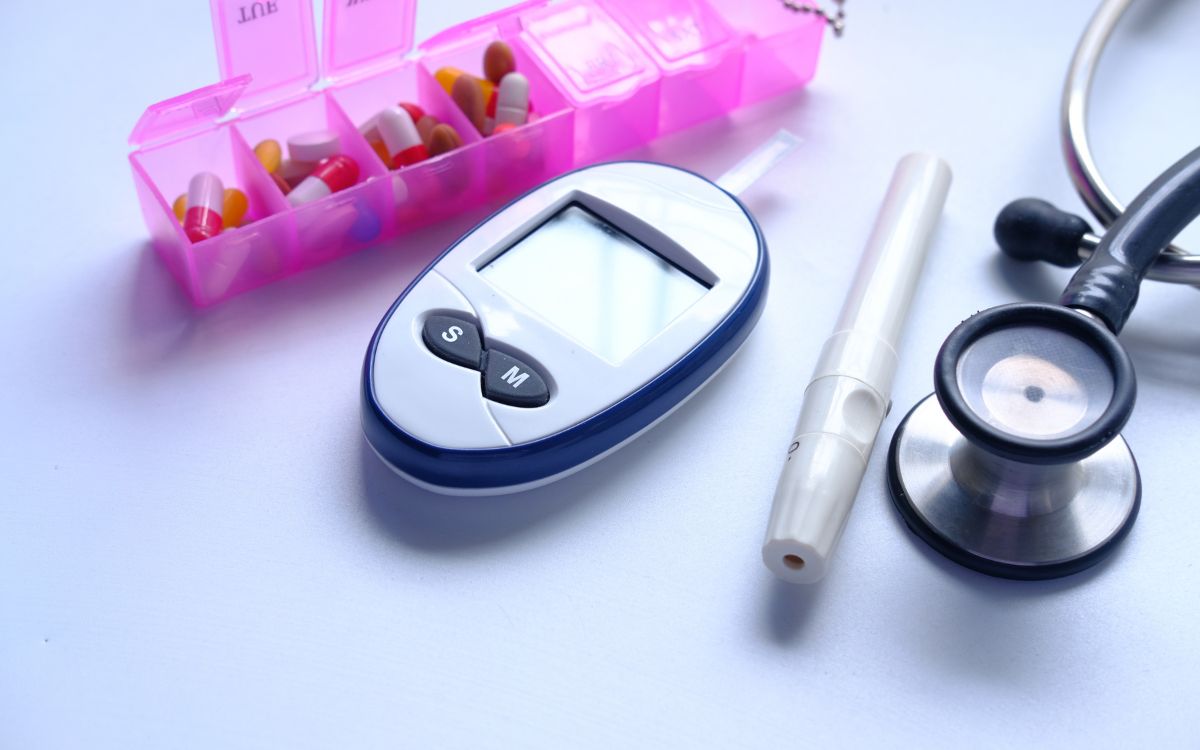
Understanding the side effects of blood pressure medication in elderly patients is crucial for families and caregivers. It is a common concern. High blood pressure, or hypertension, is a widespread issue for older adults. Medication is often essential.
It protects against heart attacks and strokes. However, these powerful drugs can sometimes cause challenging reactions. This guide will help you understand these effects. You will learn how to manage them.
Most importantly, you will know when to talk to a doctor.
Let’s explore this important topic together.
Why the Elderly are More Vulnerable
First, it is key to understand why older adults experience more side effects. Aging changes how our bodies work. These changes affect how we process medicine.
-
Slower Metabolism: The liver and kidneys do not work as quickly as they used to. They process and remove drugs more slowly. This means medication can stay in the body longer. It can build up to higher levels.
-
Body Composition Changes: As we age, we often lose muscle and gain fat. Some medications dissolve in fat. They can get stored there and release slowly. This changes how the drug acts.
-
Other Health Conditions: Many seniors manage multiple health problems. They might take five, ten, or even more different pills a day. This is called polypharmacy. All these drugs can interact with each other. This can cause unexpected and sometimes intense side effects.
-
Dehydration Risk: Older adults are more prone to dehydration. This can intensify side effects like dizziness.
Because of these factors, doctors often start with a “low and slow” approach. They prescribe a very low dose. Then, they monitor carefully.
Common Side Effects of Blood Pressure Medication in Elderly Patients
While many people take these drugs without issue, some side effects are more frequent. Being aware of them is the first step to management.
1. Dizziness and Lightheadedness 🌀
This is perhaps the most common complaint. It often happens when standing up too fast. Doctors call this “orthostatic hypotension.” The blood pressure drops suddenly. It can lead to falls. Falls are a major cause of injury for seniors.
What causes it? Many blood pressure medications work by relaxing blood vessels or removing fluid. This makes it harder for the body to quickly adjust to gravity when you stand.
2. Fatigue and Tiredness 😴
Some people feel unusually tired or weak. They may lack energy for daily activities. This can impact quality of life. It might make someone less active, which is not good for overall health.
3. Frequent Urination 💦
This side effect is linked to diuretics, or “water pills.” They help the kidneys remove more salt and water from the body. This lowers blood pressure. But it also means more trips to the bathroom. This can disrupt sleep with nighttime urination (nocturia).
4. Dry Cough 🤧
This is a classic side effect of ACE inhibitors, a common class of blood pressure drugs. The cough is persistent and tickly. It does not produce mucus. It can be very aggravating and is often the reason people switch medications.
5. Electrolyte Imbalances ⚖️
Diuretics can flush out important minerals like potassium, sodium, and magnesium along with fluid. Low potassium (hypokalemia) can cause muscle cramps and weakness. Low sodium (hyponatremia) can cause confusion, a serious concern for the elderly.
Here is a quick-reference table for common medication types and their typical effects:
| Medication Class (Examples) | Primary Function | Most Noticed Side Effects in the Elderly |
|---|---|---|
| Diuretics 💧 (Hydrochlorothiazide, Furosemide) | Remove excess water and salt from the body. | Frequent urination 💦, dizziness, electrolyte imbalance, dehydration. |
| ACE Inhibitors (Lisinopril, Enalapril) | Relax blood vessels. | Dry cough 🤧, dizziness, high potassium levels. |
| ARBs (Losartan, Valsartan) | Relax blood vessels (alternative to ACE). | Dizziness, risk of kidney issues (less cough than ACE). |
| Beta-Blockers ❤️ (Metoprolol, Atenolol) | Slow heart rate and reduce its force. | Fatigue 😴, cold hands/feet, slow pulse, sleep problems. |
| Calcium Channel Blockers (Amlodipine, Diltiazem) | Relax blood vessel muscles. | Swollen ankles 🦶, dizziness, headache, constipation. |
The Most Dangerous Side Effects: Falls and Cognitive Changes
Beyond the common list, two areas demand extreme caution.
The Fall Risk is Real
Dizziness, lightheadedness, and fatigue are more than just inconveniences. For an older person, they are a direct pathway to a fall. A fall can mean a broken hip, head trauma, or a loss of independence. It is a life-changing event. Therefore, managing medication side effects is a critical part of fall prevention.
Confusion, Memory Issues, and Depression
This is an often-overlooked area. Some blood pressure drugs, particularly beta-blockers and central-acting agents, can affect the brain. They may cause:
-
Brain fog or confusion
-
Memory problems
-
Depression or mood changes
Families might mistake this for the start of dementia. It is vital to consider medication as a possible cause. This is a key piece of unique advice. Do not assume new confusion is just “old age.” Always investigate medication.
Practical Management: What You and Your Doctor Can Do
Managing the side effects of blood pressure medication in elderly individuals is a team effort. The goal is to control blood pressure without sacrificing safety or quality of life.
1. Open Communication with the Doctor is Key
This is the most important step. The doctor needs to know what is happening.
-
Keep a Symptom Diary: Note when side effects happen. After taking a pill? When standing up? This data is gold for your doctor.
-
Never Stop Medication Cold Turkey: Suddenly stopping can cause a dangerous spike in blood pressure. Always consult the doctor first.
-
Ask Specific Questions: “This dizziness is making my dad fall. Is there an alternative?”
2. Simple Lifestyle Tweaks for Big Relief
-
For Dizziness: Rise slowly from sitting or lying down. Sit on the edge of the bed for a minute before standing.
-
For Frequent Urination: Take diuretics in the morning, not at night. This can reduce sleep interruptions.
-
For Dehydration/Electrolytes: Discuss hydration goals with your doctor. They might recommend eating more potassium-rich foods like bananas and potatoes instead of supplements.
-
Review All Medications: Bring a complete list of all prescriptions, over-the-counter drugs, and supplements to every doctor’s appointment. This helps spot bad interactions.
3. The Possibility of Deprescribing
“Deprescribing” is a modern medical concept. It means safely reducing or stopping medications that may no longer be needed or are causing harm. For some elderly patients, blood pressure targets can be slightly higher than for younger people. If side effects are severe, the doctor might decide that the risks of the medication outweigh the benefits. A slightly higher blood pressure reading might be acceptable if it means the patient is steady on their feet and mentally sharp.
When to Seek Immediate Help
Most side effects are manageable. But some signs need urgent medical attention. Contact a doctor immediately if you notice:
-
A severe fall or fainting spell.
-
Extreme dizziness that does not go away.
-
A very slow heart rate (especially with beta-blockers).
-
Significant new swelling in the feet, ankles, or hands.
-
Sudden, unexplained shortness of breath.
-
New and intense confusion or weakness.
Conclusion: Balance is Everything
Managing hypertension in older adults is a delicate balancing act. The goal is to achieve the benefits of treatment—preventing heart disease and stroke—while minimizing the harms.
Understanding the potential side effects of blood pressure medication in elderly family members empowers you to be an advocate.
You are not powerless. Work with the healthcare team. Report changes. Ask questions. Sometimes, a simple switch to a different drug class can make all the difference. It can turn a struggling, dizzy patient back into an engaged, active individual. The right medication at the right dose can protect both their heart and their lifestyle