
Let’s be brutally honest for a second: you’re searching for what kills fingernail fungus instantly because you’re fed up. You’ve looked down at that yellowed, crumbly, maybe even slightly embarrassing nail and thought, “I just want this gone. Now.” I get it. The desire for a magic bullet, a lightning strike that zaps the fungus into oblivion, is powerful. It’s the holy grail.
So, here’s the raw, unfiltered truth you need to hear right in this first sentence: despite what countless products and home remedy blogs might promise, nothing scientifically proven can answer the question of what kills fingernail fungus instantly.
Wait, don’t click away. This isn’t bad news. It’s liberating. Because chasing that “instant” fantasy is what leaves people disappointed, poorer, and still stuck with the same fungus months later. The real story of how to treat fingernail fungus is one of patience, consistency, and understanding your enemy. It’s less about a single knockout punch and more about a sustained, strategic siege. So, if you’re ready to trade mythical instant cures for a clear, effective battle plan that leads to a genuine, lasting victory, you’re in the right place. Let’s roll up our sleeves.
What Are We Even Dealing With? Meet the Fungus Among Us
To defeat an enemy, you have to know it. Nail fungus, or onychomycosis if you want to get clinical, isn’t just a surface-level stain. It’s a tenacious, microscopic organism that’s more like a sprawling, underground network than a simple spot of dirt.
Think of your fingernail as a slab of keratin armor. Dense. Protective. But over time, tiny traumas—a small knock, separating layers—create microscopic entry points. That’s all the invitation these fungal spores need. They don’t just sit on the surface; they burrow. They set up shop under the nail plate, in the nail bed, and feast on the very keratin that makes up the nail. They’re not just visiting; they’re moving in, tearing down the walls to build their own grotesque version of a home.
This is why the question of what kills fingernail fungus instantly is so tricky. You’re not trying to clean a surface. You’re trying to eradicate a deeply entrenched colony that’s actively building fortifications made of, well, your own nail. They’re shielded. They’re persistent. And they absolutely love the dark, moist environment you’ve provided under that nail.
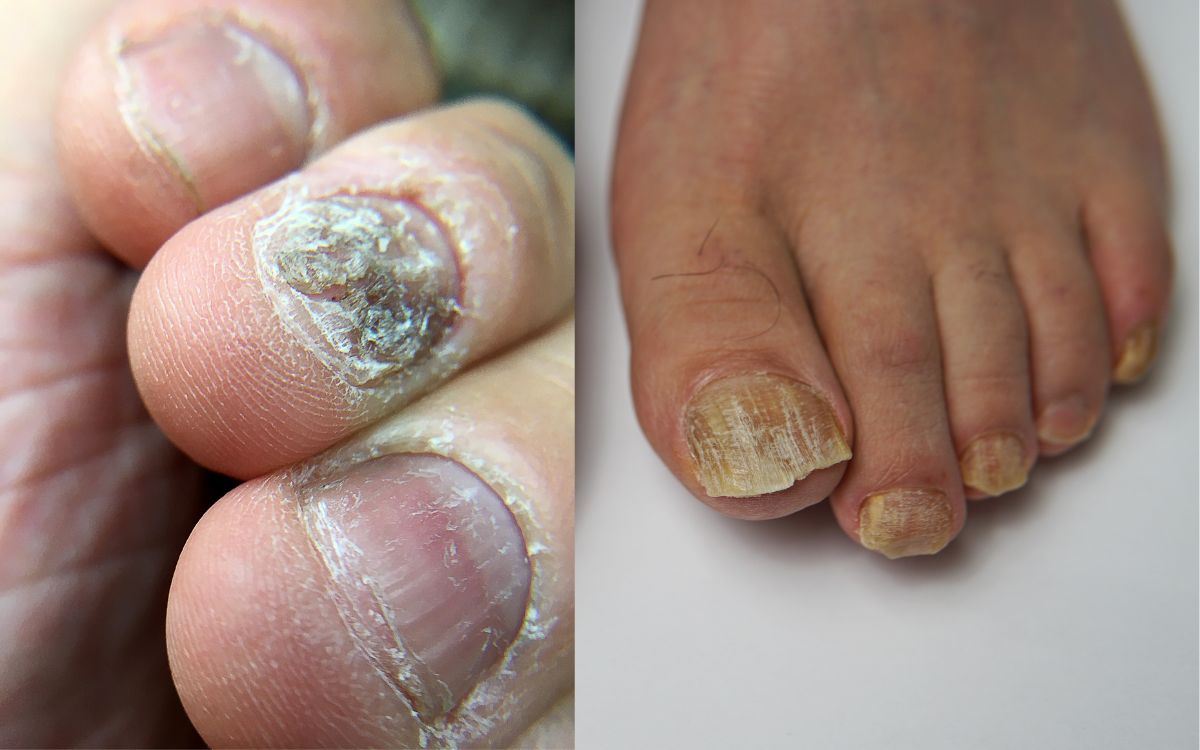
The visual clues are a direct report from this frontline:
-
Discoloration: Usually starts as a white or yellow spot. Can progress to brown, even green if bacteria join the party.
-
Thickening: The nail gets rugged, loses its smooth translucency.
-
Crumbling: The structure weakens. Bits break off.
-
Debris: That chalky, gross stuff under the nail? That’s the wreckage of the fungal feast.
-
Distortion: It can lift away from the nail bed (a condition called onycholysis) and become misshapen.
It’s a slow-motion invasion. And fighting it requires a strategy that respects its stubborn nature.
The “Instant” Mirage: Separating Hope from Hype
We live in an instant world. Instant streaming, instant meals, instant answers. So, our brains are wired to seek an instant solution for a slow-growing problem like fungus. This cognitive dissonance is a goldmine for marketers and well-meaning but misguided home remedy gurus.
The cold, hard fact is that your fingernail grows slowly. From the cuticle to the tip, it takes a good six months. For a toenail? A glacial 12 to 18 months. Any treatment, no matter how potent, has to work its way down through the nail or be carried by the bloodstream to the root, and then you have to wait for a new, healthy nail to grow out and fully replace the old, infected one.
So, when you see a product claiming to be what kills toenail fungus immediately, your internal skeptic should scream. These claims often hinge on a technicality. A harsh chemical might deactivate or kill fungal spores on contact in a petri dish. But your fingernail isn’t a petri dish. It’s a living, layered structure with a deeply embedded infection. That chemical can’t penetrate fast or deep enough to achieve a total, instantaneous kill. It might zap the surface, giving a fleeting sense of progress, but the core of the infection remains, laughing from its subterranean fortress.
This is the central, frustrating truth. The dream of finding what kills foot fungus instantly is just that—a dream. The real goal is to find what systematically and permanently evicts the fungus, allowing healthy regrowth. It’s a marathon, not a sprint.
The Heavy Hitters: Professional Medical Interventions
When you’re serious about figuring out how do you cure fingernail fungus for good, the most reliable path leads to a doctor’s office. These are the treatments with the strongest clinical backing for effectiveness.
Prescription Oral Antifungals: The Systemic Assault
This is the big guns. Medications like terbinafine (Lamisil) and itraconazole (Sporanox) are typically the first-line medical defense for a reason. They don’t mess around.
-
How They Work: You take a pill. The active ingredient is absorbed into your bloodstream and travels throughout your body. It eventually reaches the tiny blood vessels in the nail bed. As your new nail begins to grow from the matrix (the nail’s root), the medication is incorporated right into it, creating a fungicidal environment from the inside out. It’s like pre-treating the building materials of your new nail with an antifungal agent before the nail is even built. Brilliant.
-
The Catch: Because it’s systemic, it affects your whole body. This requires a doctor’s supervision. They’ll likely do a blood test beforehand to check your liver function, as these drugs can, in rare cases, be hard on the liver. The treatment course is long—often 6 to 12 weeks for fingernails. But the success rates are the highest you’ll find, often cited at around 70-80%. This is the closest you get to a definitive answer for what kills toenail fungus permanently from a medical standpoint.
Prescription Topical Lacquers: The Targeted Strike
For less severe cases, or when oral medications aren’t an option, doctors might prescribe a medicated nail lacquer like ciclopirox (Penlac).
-
How They Work: You paint this clear solution onto the infected nail and the surrounding skin once a day. Think of it as laying down a daily, penetrating layer of antifungal armor. It’s designed to seep through the nail plate over time to reach the infection site. It’s less invasive than oral meds and has virtually no side effects.
-
The Catch: Patience, patience, patience. This method is slow. You have to be religious about the daily application. And once a week, you need to wipe the nail clean with alcohol to remove the layers of buildup, which allows for better penetration of the next applications. Success rates are lower than oral medications, but it’s a very safe and persistent option for how to treat nail fungus on fingernails that are only partially affected.
Laser Treatment: The High-Tech Beam
Laser therapy is the new kid on the block, and it’s surrounded by a lot of buzz (and light).
-
How It Works: A dermatologist or podiatrist directs specific wavelengths of laser light through the nail. The theory is that this light generates heat or uses photodynamic therapy to damage or destroy the fungal structures without harming the nail or surrounding tissue. It’s non-invasive and painless.
-
The Catch: It’s expensive (often not covered by insurance), and the evidence for its long-term efficacy is still building. Some studies show good results, others are less convincing. It often requires multiple sessions. For some, it’s a worthwhile investment in a high-tech solution, but it’s not a guaranteed magic wand.
The Home Remedy Arena: Kitchen Cabinet Cures and Bathroom Cabinet Potions
This is where the battle gets messy, folkloric, and endlessly debated. The internet is a swirling vortex of suggestions for what kills foot fungus instantly, but let’s apply some scientific scrutiny to the most popular contenders.
The Peroxide Question: Will Peroxide Kill Toenail Fungus?
Hydrogen peroxide, the fizzing first-aid staple. It’s a potent disinfectant on open wounds, killing bacteria by oxidation. So, it stands to reason it could work on fungus, right? The answer is… kinda, but not really.
-
The Theory: Its oxidizing action could potentially damage fungal cells on contact.
-
The Reality: While a soak in a diluted peroxide solution might kill some surface spores and help keep the area disinfected (preventing secondary bacterial infections), it lacks the penetrating power to reach the main colony buried under the nail. It’s like trying to flood a bunker by spraying a garden hose at the door. You might get the entrance wet, but everyone inside remains safe and dry. So, if you’re asking will peroxide kill toenail fungus, the most accurate answer is: “It might help as a minor supportive player in a broader strategy, but it is not a cure on its own.”
The Snarky Gargle: Will Mouthwash Cure Toenail Fungus?
This one is a classic internet hack. The logic goes that since mouthwashes like Listerine contain antifungal ingredients like thymol and eucalyptol (designed to kill yeast in the mouth), they should work on nail fungus. People often mix it with vinegar for a potent soak.
-
The Theory: Antifungal agents + astringent alcohol = dead fungus.
-
The Reality: It’s a similar story to peroxide. The ingredients have some antifungal properties, but the concentration and formulation are not designed for dermal penetration or to treat a deep-seated nail infection. The high alcohol content can also be incredibly drying and irritating to the surrounding skin. You might see some superficial improvement in color, but you’re unlikely to eradicate the root cause. Relying on this as your sole strategy for how to treat fingernail fungus is a gamble with very low odds of a big payoff.
The Tried-and-True (But Still Slow) Natural Warriors
Some home remedies have more merit than others, primarily because they create an environment where fungus simply cannot thrive.
-
Tea Tree Oil: This essential oil is a legitimate antifungal and antiseptic agent. It’s not instant, but it’s a persistent warrior. Dilute it with a carrier oil (like coconut or olive oil) and apply it diligently to the nail and cuticle twice a day. It works by slowly breaking down the fungal cell walls. Consistency is everything.
-
Vinegar (Apple Cider or White) Soaks: The idea here isn’t that the vinegar “kills” the fungus outright. It’s about pH. Fungi prefer a neutral pH. By soaking your nail in a acidic vinegar solution (typically a 1-part vinegar to 2-parts water ratio), you’re creating an hostile, acidic environment that inhibits fungal growth and reproduction. It’s a siege tactic, not a bomb.
-
Coconut Oil: This one is more about moisture and a gentle assist. Coconut oil contains caprylic acid, which has mild antifungal properties. But its real benefit is in keeping the nail and cuticle conditioned, which can prevent cracking and breaking that gives fungus new entry points.
Let’s be clear: none of these are what kills toenail fungus immediately. They are slow, supportive therapies. They work for some people with mild, early-stage infections, especially when combined with aggressive nail debridement (filing down the thick nail to reduce the fungal load).
The Unsexy, Non-Negotiable Foundation of Treatment
You could be on the most powerful oral antifungal, but if you ignore the fundamentals, you’re practically inviting the fungus back for a reunion tour. This is the boring, crucial homework that makes or breaks your entire campaign.
1. Nail Debridement: Reduce the Enemy’s Numbers.
This is arguably the most important physical thing you can do. Use a nail file (and never use the same file on a healthy nail!) to aggressively file down the thickened, crumbly part of the infected nail. Do this regularly. You’re doing two things: you’re physically removing a massive amount of the fungal biomass, and you’re thinning the nail barrier, allowing any topical treatments (prescription or home remedy) to penetrate more deeply. It’s a game-changer.
2. Keep It Desert-Dry.
Fungus is a marine organism at heart; it needs moisture. After washing your hands, dry them meticulously, paying special attention to getting a towel corner under the tips of your nails. If your hands are prone to sweating, consider keeping a small bottle of rubbing alcohol or antifungal powder in your bag for a quick dry-out during the day.
3. Protect Your Hands.
If you’re doing dishes, cleaning with chemicals, or have your hands in water for long periods, wear waterproof gloves. Prolonged moisture softens the nail and skin, creating an entryway for fungus and weakening your defenses.
4. Be a Hygiene Hawk.
If you have fungus on one fingernail, assume your entire hand is a contamination zone. Wash your hands thoroughly after touching the infected nail. Use a separate nail clipper and file for the infected nail. This seems obsessive, but cross-contamination is how a single fungal outpost becomes a full-blown empire.
Conclusion: The Real Answer to What Kills Fingernail Fungus Instantly
So, we end where we began, with that burning, urgent desire for a solution that works right now. After wading through the science, the myths, and the strategies, the picture comes into sharp, clear focus.
The frantic search for what kills fingernail fungus instantly is a quest for a phantom. It doesn’t exist. But what does exist is something far more valuable: a proven path to a permanent cure. It’s a path built not on a single moment of destruction, but on the powerful, cumulative effect of consistency. It’s the daily pill, the nightly application of a topical, the diligent filing, the religious drying.
The real victory over fingernail fungus isn’t found in a magic potion promising instant results. It’s found in the quiet discipline of a long-term strategy. It’s in understanding that you are slowly, surely, growing the fungus out of your life, millimeter by healthy millimeter. So, forget “instant.” Embrace “effective.” Embrace “permanent.” That’s the only finish line that truly matters.