

Ever notice your tinnitus roar when you turn your head? Or buzz louder when you chew?
That’s not your imagination playing tricks. Tinnitus that changes with head position or jaw movement is a real, distinct phenomenon.
And crucially, it often points to a treatable root cause. Forget the idea that all ringing is permanent or mysterious.
This type? It’s your body sending a signal we can decode. 🧩
This isn’t just background noise.
It’s somatic tinnitus – “somatic” meaning relating to the body. Your muscles, joints, and nerves near your ears and jaw are likely involved. Understanding this connection is your first step toward potential relief.
Why This Tinnitus is Different (And Hopeful!)
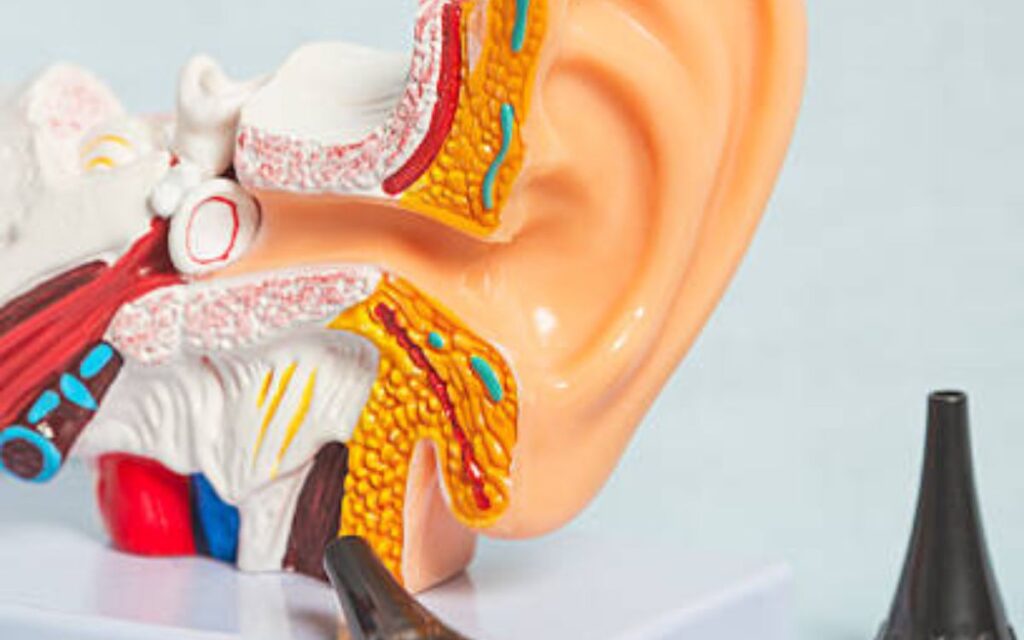
Most people think tinnitus is solely an ear problem. Damage to the inner ear hair cells is a common trigger. But tinnitus that changes with head position or jaw movement tells a different story. The sound itself shifts based on what you do with your neck or jaw. This is a massive clue.
🔄 It’s Interactive:
Clench your teeth. Does the pitch change? Tilt your head back. Does the volume spike? This interaction is key.
🛣️ It Suggests a Pathway:
Your jaw (temporomandibular joint or TMJ) and neck (cervical spine) are intricately connected to your auditory system via nerves and muscles. Problems here can “mess with” the signals your brain interprets as sound.
🙌 Treatment Potential:
Because the cause is often physical (muscle tension, joint issues, nerve irritation), targeted therapies aimed at those areas can frequently reduce or even eliminate the noise. This is huge news for sufferers.
The Usual Suspects: What’s Making the Noise?
Let’s break down the prime culprits behind this positional tinnitus:
Listen to Your Body’s Clues: Tracking the Changes
Become a detective. Your own observations are powerful evidence for your doctor or therapist. Track:
- 📋
Specific Movements:
Which exact head positions (looking left/right/up/down) change the sound? Which jaw movements (opening wide, chewing, clenching)? - 🔊
Nature of Change:
Does the volume increase/decrease? Does the pitch get higher/lower? Does the type of sound change (ringing to buzzing, etc.)? - ⚡
Pain or Tension:
Do these movements also cause pain or noticeable muscle tightness in your jaw, neck, face, or shoulders? - 📅
Daily Patterns:
Is it worse in the morning (after possible nighttime clenching)? After long computer sessions? After stressful meetings (where you might tense up)?
Finding the Right Help: Who Do You See?
Don’t just see an ENT (though start there to rule out direct ear issues!). For tinnitus that changes with head position or jaw movement, you need specialists who understand the somatic connection:
1. TMJ Specialist (Neuromuscular Dentist or TMD Physical Therapist)
They assess jaw joint function, muscle tension, bite alignment, and habits like clenching. Treatments may include oral appliances (splints), physical therapy, stress management, and habit correction.
2. Physical Therapist (Specializing in TMJ/Cervical Spine)
The MVP for somatic tinnitus. They use hands-on techniques (manual therapy), targeted exercises, posture correction, dry needling, and modalities like ultrasound to release muscle tension, improve joint mobility in the neck and jaw, and reduce nerve irritation. They teach you exercises to do at home – empowerment is key! 💪
3. Chiropractor (Evidence-Based, Focusing on Upper Cervical)
Some find relief through gentle adjustments focused on the upper neck (C1-C2), aiming to improve joint function and reduce nerve interference. Choose one experienced with tinnitus.
4. Massage Therapist (Clinical or Deep Tissue)
Can be excellent adjunct therapy to release chronic muscle tension in the neck, shoulders, and jaw muscles contributing to the problem.
Taking Control: Strategies You Can Start Today (Alongside Professional Help)
While seeing the right pro is essential, these habits support your journey:
1. Posture Patrol
Constantly check your posture.
Sitting: Sit back in your chair, shoulders relaxed down and back. Keep your ears aligned over your shoulders. Use a lumbar roll. Set computer monitors at eye level.
Standing: Stand tall, weight evenly distributed. Avoid locking knees. Imagine a string pulling the crown of your head towards the ceiling.
Phone Use: HOLD your phone up to eye level. Never cradle it between your ear and shoulder!
2. Jaw Awareness & CareThe Golden Rule: Lips together, teeth apart, tongue resting gently on the roof of your mouth. This is your jaw’s natural resting position. Practice it constantly.
Avoid Extreme Movements: Don’t open excessively wide (yawning, big bites). Cut food smaller.
Chew Gently: Avoid hard, chewy foods (bagels, gum, jerky) that strain your jaw.
Stop Clenching/Grinding: Notice when you do it (stress, concentrating). Consciously relax your jaw. A TMJ physical therapist can teach specific relaxation techniques.
Heat/Cold: Warm compresses can relax tense jaw muscles. Cold packs can reduce acute inflammation.
3. Neck & Shoulder Tension ReliefGentle Stretches: Slowly tilt your ear towards your shoulder (hold 15-30 sec, repeat both sides). Gently rotate your head side to side. Bring your chin towards your chest. Never force or bounce.
Strengthening: A PT will prescribe specific exercises to strengthen deep neck flexors and improve stability, counteracting forward head posture.
Heat: A warm shower or heating pad on tense neck/shoulder muscles feels great and promotes relaxation.
4. Stress Management
Stress = muscle tension = worse tinnitus. It’s a vicious cycle.
Breathe: Deep diaphragmatic breathing is an instant relaxant. Inhale slowly through your nose (belly expands), exhale slowly through your mouth (belly falls).
Move: Regular exercise (walking, yoga, swimming) is a potent stress-buster and improves overall muscle health.
Mindfulness/Meditation: Apps like Calm or Headspace can teach techniques to calm the nervous system. Even 5 minutes helps.
Prioritize Sleep: Poor sleep worsens everything, including pain perception and tinnitus. Establish a relaxing routine.
5. Ergonomics MatterWorkstation: Ensure your desk, chair, and monitor are set up correctly. Elbows at 90 degrees, wrists straight, screen top at eye level.
Sleeping Position: Avoid stomach sleeping (wrecks your neck). Side or back is best. Use a supportive pillow that keeps your neck aligned with your spine. Experiment!
The Power of Professional Physical Therapy for Somatic Tinnitus
Physical therapy isn’t just about exercises. A skilled TMD or cervical PT will:
- Perform a Thorough Assessment: They’ll test jaw movement, neck range of motion, muscle strength and tension, posture, and nerve function. They’ll palpate (feel) muscles for trigger points – hyper-irritable knots that can refer pain and tinnitus.
- Use Hands-On Techniques (Manual Therapy):
Soft Tissue Mobilization: Massaging and stretching tight muscles in the jaw, neck, and shoulders.
Joint Mobilizations: Gentle movements to improve mobility in stiff TMJ or cervical spine joints.
Trigger Point Release: Applying pressure to deactivate painful and irritating muscle knots.
Dry Needling: Inserting fine needles (like acupuncture) directly into trigger points to release tension rapidly. Often very effective for somatic tinnitus.
- Prescribe Personalized Exercises: Not random stretches! Precise exercises to:
Improve jaw coordination and relaxation.
Strengthen weak deep neck muscles.
Stretch chronically tight muscles.
Correct postural imbalances.
- Educate and Empower: Teach you about your condition, posture, ergonomics, and self-management strategies. Knowledge reduces fear and increases control.
Realistic Expectations & Hope
It Takes Time: Muscles and joints don’t change overnight. Commit to the process (exercises, appointments, habit changes) for several weeks to months.
Consistency is Key: Doing your prescribed exercises and being mindful of posture/jaw habits daily is crucial.
Reduction, Not Always Elimination: The goal is significant reduction and better management. Some may achieve complete silence; others find the noise becomes much less intrusive and bothersome.
Multidisciplinary Approach Works Best: Often, a combination of PT, TMJ specialist care, and stress management yields the best results.
There IS Hope: Unlike some forms of tinnitus, tinnitus that changes with head position or jaw movement frequently responds well to addressing the underlying physical issues. This is cause for genuine optimism.
Conclusion: Your Changing Tinnitus is a Signpost, Not a Life Sentence
That persistent ringing or buzzing that shifts when you move your head or jaw? It’s more than just noise.
Tinnitus that changes with head position or jaw movement is your body’s distinct way of signaling an issue in the complex network of muscles, joints, and nerves around your jaw and neck.
It highlights a specific, often treatable, category known as somatic tinnitus.
Ignoring these positional clues means missing a significant opportunity. The connection to TMJ disorders, cervical spine issues, muscle tension, and posture is strong and well-established within specialized healthcare circles.
This journey requires patience and consistency. Muscles unwind slowly; joints regain mobility gradually. But the potential payoff – significant reduction or even freedom from that intrusive, position-dependent sound – is powerful.
Don’t accept the narrative that all tinnitus is untreatable.
Listen to what your body is telling you through this tinnitus that changes with head position or jaw movement. It might just be the roadmap you need to find your way back to quiet.
Start your investigation today. Your ears – and your whole body – will thank you.