
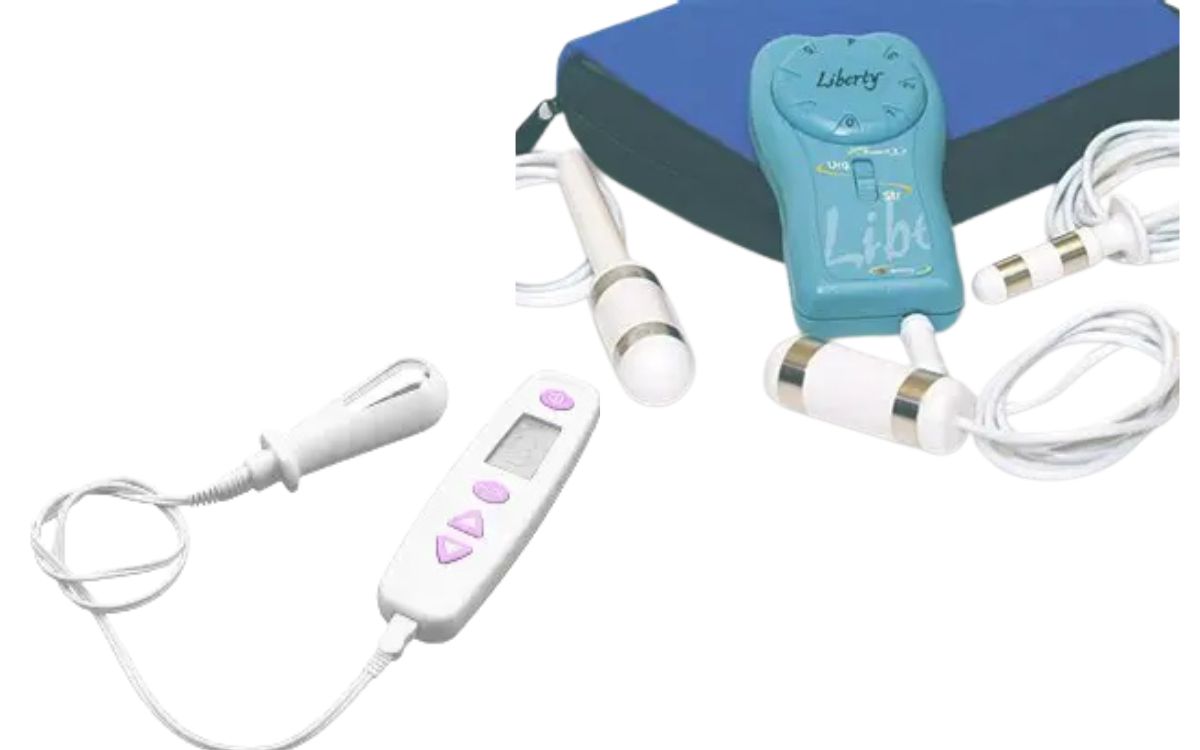
The first time you hear about a pelvic floor stimulator, it can sound like something out of a sci-fi novel. A little device, maybe even one you use at home, that sends tiny zaps down there to strengthen muscles? It’s equal parts fascinating and, frankly, a little intimidating.
You’ve probably heard about the pelvic floor electrical stimulation benefits—the promise of renewed control, less discomfort, a return to the life you remember. And those benefits are very, very real for countless people.
But here’s what often gets whispered in the corners of support forums or glossed over in slick marketing brochures: what does it actually feel like? What are the hiccups, the quirks, the downright strange sensations you might encounter?
That’s the conversation we’re having today. We’re going to pull up a chair and talk openly about the side effects of pelvic floor stimulation. No jargon, no clinical coldness. Just the straight talk you deserve before you ever press “on.”
So, What Exactly Is Happening Down There? ⚡
Before we dive into the potential side effects, it’s helpful to have a basic picture of what’s going on. It demystifies the whole process.
Think of your pelvic floor muscles like any other muscle in your body—say, your bicep. If you want to strengthen a bicep, you contract and release it, over and over. But what if you couldn’t feel that muscle? What if you’d forgotten how to engage it properly? That’s the core issue for many people with pelvic floor dysfunction. The brain-muscle connection has gotten fuzzy.
This is where electrical stimulation in pelvic floor therapy comes in. It’s like a gentle, persistent reminder.
The stimulator uses low-grade electrical currents to essentially tap your muscles on the shoulder and say, “Hey, it’s time to contract.” It bypasses the confusion and directly causes the muscle fibers to tense and then relax. Over time, this re-education process helps you remember how to do it on your own. It’s physiotherapy for a part of your body you can’t see in the mirror.
Pretty clever, right? But like any form of therapy that’s actually effective, it’s not always a perfectly smooth ride.
The Common, Usually “No-Big-Deal” Side Effects (The Tingles and Twitches)
Okay, let’s get into it. When you first start using a pelvic floor stimulator, your body is going to have some thoughts. And it will communicate those thoughts through sensations. Most of these are completely normal, temporary, and a sign that the device is, well, doing its job.
1. That “Pins and Needles” Sensation (Or, The Tingly Zappy Feeling)
This is the number one thing people report. It’s often described as a buzzing, tingling, or prickling feeling. It shouldn’t be a sharp, painful jolt. A good analogy? That feeling when your foot falls asleep and the blood rushes back in—but localized and much more controlled.
-
Why it happens: You’re introducing a novel sensation to an area packed with nerve endings. Your nerves are just sitting up and taking notice. It’s a foreign language to them, and the tingling is them figuring out how to interpret it.
-
When to worry: If the tingling is intense or uncomfortable, the solution is almost always to turn down the intensity. Start low and go slow. Your therapist isn’t judging you for using a setting of 2 instead of 8. Comfort is key.
2. Minor Muscle Twitching or Fluttering
You might feel little, involuntary muscle twitches during or even after a session. It can feel a bit like a tiny butterfly is flapping its wings inside.
-
Why it happens: This is a direct result of the electrical current triggering individual muscle motor units. It’s a visual and physical sign that the muscle is being activated. In a weird way, it’s a good sign!
-
When to worry: If the twitching is strong, rhythmic, or doesn’t stop long after the session, it’s a sign the intensity is too high. Dial it back.
3. A Feeling of Mild Warmth or “Fullness”
Some people describe a sensation of warmth in the pelvic area. Others feel a sense of fullness or pressure, similar to a very mild menstrual cramp.
-
Why it happens: The stimulation increases blood flow to the area (which is actually a therapeutic benefit!), and that can create warmth. The sense of pressure is just your muscles being actively engaged, something they may not be used to.
-
When to worry: This should be mild and subside quickly after the session. If it evolves into genuine pain or significant cramping, stop and consult your healthcare provider.
4. Temporary Redness or Skin Irritation
This is almost exclusively an issue with external stimulators that use sticky electrode pads placed on the skin. The area might look a bit pink or red after you remove the pad.
-
Why it happens: It can be from the adhesive on the pad, the conductivity gel, or simply the mild irritation of having something stuck to your skin for a period of time.
-
When to worry: If the redness is severe, itchy, spreads, or looks like a rash (contact dermatitis), you might be having a reaction to the gel or adhesive. Stop using it and try a different brand or a hypoallergenic gel. For internal devices, redness or irritation inside isn’t common and should be discussed with your doctor immediately.
Let’s break down these common sensations in a quick, easy-to-scan table. Think of this as your “Is This Normal?” cheat sheet.
| Sensation | What It Feels Like | Is It Normal? | What to Do |
|---|---|---|---|
| Tingling / Buzzing | Like a gentle, low-level electrical buzz or static. | ✅ Yes, very. | Start with low intensity. It should be noticeable but not painful. |
| Muscle Twitching | Small, random flutters or jumps in the muscle. | ✅ Yes, this is common. | A sign the muscle is being activated. Reduce intensity if it’s too strong. |
| Warmth / Fullness | A mild, internal warmth or a sense of slight pressure. | ✅ Yes, typically normal. | Caused by increased blood flow. Should fade quickly post-session. |
| Skin Redness | Pinkish skin under electrode pads after removal. | ✅ Usually normal. | Should fade within an hour. If it’s a rash, change gels/pads. |
The “Pay Attention” Side Effects (When to Pause and Check In)
These are the side effects that signal you might need to adjust something—your technique, the device settings, or perhaps even have a chat with your doctor. They’re your body’s way of saying, “Hey, let’s slow down and reassess.”
1. Muscle Soreness or Aching (Like You Did a Workout)
This is a big one. Remember our bicep analogy? If you went to the gym for the first time in years and did fifty bicep curls, your arm would be sore the next day. The same principle applies here. You are, for all intents and purposes, working out a muscle that has been largely inactive.
-
Why it happens: This is delayed onset muscle soreness (DOMS), but for your pelvic floor. It’s a normal response to unaccustomed exertion.
-
What to do: This is often a sign you might have overdone it. Take a day off from stimulation. Ensure you’re well-hydrated, and maybe take a warm bath. When you resume, lower the intensity or shorten the session duration. Your pelvic floor needs time to recover and build strength, just like any other muscle.
2. Discomfort or Pain at the Stimulation Site
There’s a world of difference between a tingle and a jolt. Pain is not a goal, and it’s not a sign that it’s “working better.”
-
Why it happens: The intensity is set too high. It could also be that the electrode or probe is positioned incorrectly, causing the current to concentrate uncomfortably in one spot.
-
What to do: Turn it down immediately. Pain is your body’s non-negotiable stop sign. If lowering the intensity doesn’t resolve it, check the placement. If you’re working with a physical therapist, describe the exact type and location of the pain to them.
3. Unusual Fatigue or Tiredness
This one surprises people. You might feel unusually tired or drained after a session, even though you were just lying down.
-
Why it happens: Your nervous system is doing a lot of work! It’s processing a new stimulus and directing energy toward muscle repair and recovery in a central part of your body. It’s a form of systemic fatigue, not unlike how you can feel tired after a physiotherapy session for your back.
-
What to do: Listen to your body. Rest. This often improves as your body adapts to the therapy. Make sure you’re not dehydrated and are getting adequate nutrition.
The “Red Flag” Side Effects (Time to Call Your Doctor) 🚩
This is the serious stuff. While rare, it’s crucial to know the signs that indicate something is wrong and you need immediate medical attention. Do not ignore these.
1. Burning, Stinging, or Sharp Pain
A mild warmth is one thing. A sensation of burning or a sharp, stabbing pain is another entirely.
-
What it means: This could indicate a nerve is being irritated or stimulated directly, the current is far too intense, or there is damage to the skin or tissue. Stop using the device immediately.
2. Increased Urinary Leakage or Worsening Symptoms
This is deeply frustrating. You’re using the device to get better, not worse. If your symptoms of incontinence or urgency actually increase, something is off.
-
What it means: It could be that the muscles are being overstimulated and are spasming rather than strengthening. It might also be a sign that the type of electrical stimulation in pelvic floor therapy you’re using isn’t the right one for your specific condition (e.g., you need a different waveform for overactive bladder versus weakness).
-
This is a critical point to discuss with your healthcare provider. They may need to re-evaluate your protocol.
3. Bleeding or Significant Irritation
For internal devices, any sign of bleeding is a major red flag. For external devices, any broken skin, blistering, or severe rash is a problem.
-
What it means: This could indicate an allergic reaction, physical injury from the device, or an underlying condition that needs to be addressed. Do not continue use.
4. Any Signs of Infection
This includes fever, chills, unusual discharge, or a feeling of general unwellness that seems connected to your use of the stimulator.
-
What it means: Proper hygiene is paramount with these devices. If you suspect an infection, it’s essential to get medical care promptly.
Beyond the Physical: The Weird Emotional Stuff 🤯
Nobody talks about this, but it’s real. Using a pelvic floor stimulator can be an emotionally charged experience. The pelvic floor is the core of our physical being, tied to intimacy, body image, and control. Stirring that up can bring feelings to the surface.
-
Anxiety or Vulnerability: Lying there with a device operating in such an intimate area can feel invasive. It’s okay to feel weird about it. Acknowledge the feeling. Creating a calming ritual around your sessions—dim lights, calming music, deep breathing—can help reclaim a sense of control.
-
Frustration: The process isn’t always linear. Some days it feels great, other days it doesn’t. This frustration is a normal part of any rehabilitation journey.
-
Grief or Anger: For some, it brings up feelings of grief for a body that they feel has failed them, or anger at the condition that made them need this device in the first place. This is valid. Be kind to yourself.
How to Seriously Minimize Your Risk of Side Effects: Your Action Plan
Knowledge is power, but action is everything. Here’s how you can set yourself up for the smoothest possible experience with your pelvic floor stimulator.
-
The Golden Rule: Work With a Professional. I cannot stress this enough. Do not just buy a random device online and wing it. A pelvic health physical therapist or a qualified urologist/gynecologist will:
-
Ensure you have the correct diagnosis.
-
Prescribe the right type of device and settings for you.
-
Teach you proper placement and hygiene.
-
Be your guide when side effects pop up.
-
-
Become a Master of the Manual. Read it. Then read it again. Understand the cleaning instructions, the recommended session lengths, and all the safety warnings. Your specific device is unique.
-
Hygiene is Non-Negotiable. Wash your hands before and after. Clean the device meticulously according to the manufacturer’s instructions. For internal probes, this usually means cleaning with soap and water or a specific antiseptic solution before and after every single use.
-
The “Goldilocks” Principle of Intensity. Not too high, not too low, but just right. You should feel a definite sensation, but it should never cross the line into pain. Your tolerance will increase over time, so be patient.
-
Listen to Your Body Like It’s Your Best Friend. Your body will give you feedback. A little tingling? Probably fine. A sharp pain? Your body is shouting “NO!” Learn to differentiate between a productive sensation and a harmful one.
The Big Picture: Weighing the Weirdness Against the Wins
So, after all this talk of tingles, twitches, and red flags, is it even worth it?
For the vast majority of people, the answer is a resounding yes.
The potential side effects of a pelvic floor stimulator are, for the most part, mild, manageable, and temporary. They are the price of admission for a therapy that can be genuinely transformative. The pelvic floor electrical stimulation benefits—regaining control, reducing pain, improving intimacy, and getting your life back from the constant worry of leaks or urgency—often far outweigh the initial period of adjustment and strange sensations.
It’s a tool. A powerful, clever, and sometimes slightly weird-feeling tool. But when used correctly and under guidance, it can be the key that unlocks a stronger, more confident, and more comfortable you.
Have you experienced any of these side effects? What was your journey with a pelvic floor stimulator like? Sharing our stories is how we demystify the process and support each other.