
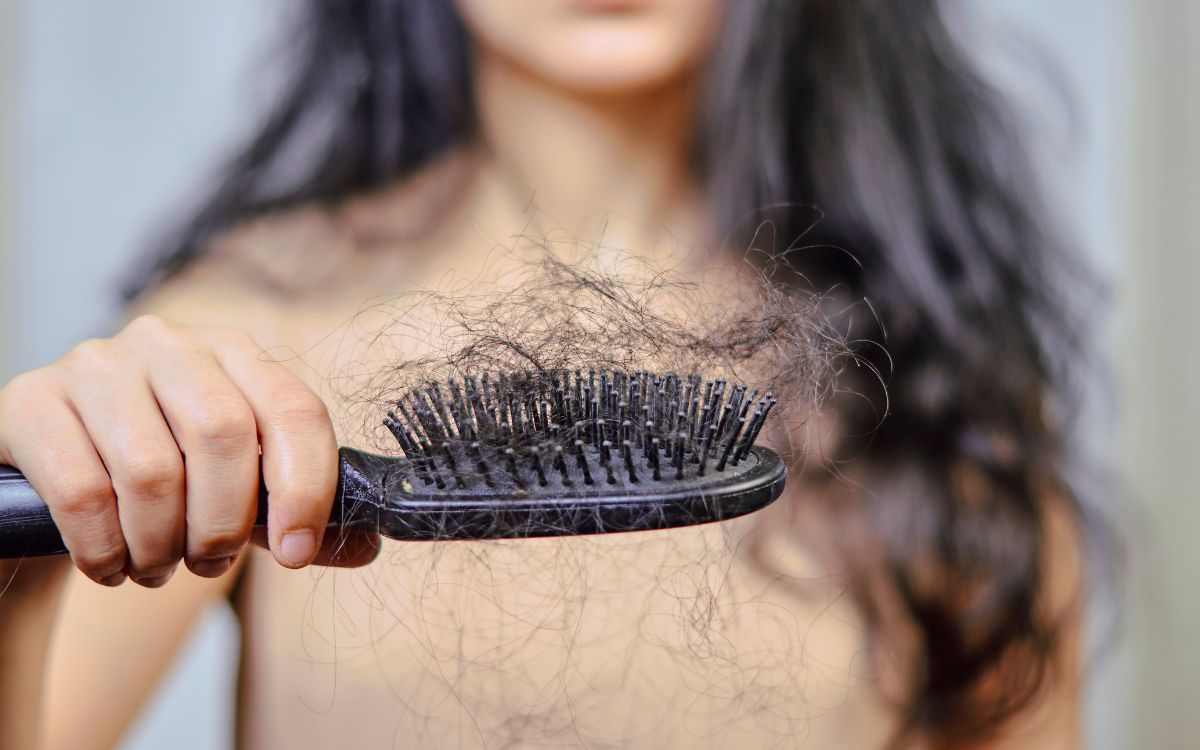
Hair loss is a condition that affects individuals of all ages, but it can be particularly distressing for women over 60 who are already navigating the complex physical changes associated with menopause. While age-related hair loss may not always be entirely preventable, numerous treatments can help restore lost volume and limit further thinning. Understanding the root biological causes is the critical first step toward effective management and restoration.
The Primary Causes of
Hair Loss After 60
Significant hair thinning or balding in your sixties is a common phenomenon attributed to a combination of genetic, environmental, and physiological shifts. These are the most likely culprits behind compromised follicle health:
Hormonal Imbalances
As the body navigates menopause and beyond, shifts in hormone production—specifically estrogen and testosterone levels—can drastically shorten the hair growth cycle and physically miniaturize, or compromise, the hair follicle itself.
Hereditary Baldness (Androgenetic Alopecia)
A genetic predisposition to hair loss often runs in families. While it is written into your DNA and cannot be entirely reversed naturally, targeted treatments can significantly slow its progression and maximize remaining follicle density.
Stress & Illness
Severe emotional distress from personal issues, trauma, or physical illness takes a massive toll on the body. This pushes a disproportionate number of hair follicles into a resting phase (telogen effluvium), resulting in sudden, heavy shedding over time.
Medication Side Effects
Many prescriptions necessary for health management over 60—such as specific blood pressure drugs, blood thinners, or cholesterol-lowering medications—can induce an unexpected drop in hair growth as a systemic side effect.
Nutritional Deficiencies
As metabolism and digestive absorption change with age, inadequate intake of vital nutrients, vitamins, or minerals (like iron, vitamin D, and zinc) starves the scalp, leading directly to thinning or bald patches.
Over-Processing & Excessive Shampooing
Aging hair becomes naturally drier and more fragile. Excessive shampooing or harsh styling strips away the vital sebum (natural oils) that nourish the scalp, leading to severe breakage and a noticeable reduction in overall volume.
Environmental Factors
Prolonged UV sun exposure degrades the structural protein of the hair, while chronic chemical buildup from hard water or styling products suffocates the scalp. Over decades, this weakens the roots, resulting in a receding hairline or localized balding.
While age-related hair loss in women over 60 is heavily influenced by systemic hormonal shifts, it is not a condition you simply have to accept without recourse. By combining holistic natural remedies, advanced medical treatments, and disciplined daily management strategies, it is entirely possible to reduce active shedding, stimulate dormant follicles, and restore lost volume. Here is a comprehensive breakdown of the most effective intervention methods.
Natural Treatments &
Holistic Restoration
For those who prefer to avoid pharmaceuticals, the natural world offers several highly potent, scientifically supported compounds that stimulate the scalp and promote healthy follicular function.
Essential Oil Micro-Circulation
Clinical studies have demonstrated that botanical extracts like lavender, peppermint, and rosemary essential oils possess powerful anti-inflammatory properties and cellular regeneration capabilities. Rosemary oil, in particular, has been shown to perform similarly to some over-the-counter hair growth treatments by vastly improving micro-circulation in the scalp.
Because pure essential oils are highly concentrated, they must be diluted. Mixing 3-5 drops of these oils with a deeply nourishing carrier oil like cold-pressed coconut, argan, or jojoba oil (which closely mimics the scalp’s natural sebum) creates an ideal treatment. Vigorously massaging this blend into the scalp for 5 to 10 minutes daily physically stimulates the dermal papilla cells, awakening dormant follicles and encouraging them to re-enter the active growth phase.
Sulfur-Rich Botanicals (Onion & Garlic)
While it may sound unconventional, applying freshly extracted onion or garlic juice directly to the scalp is a highly effective, time-tested remedy. Hair is primarily composed of a protein called keratin, which is heavily reliant on sulfur bonds for its structural integrity.
Onions and garlic are incredibly rich in dietary sulfur. When applied topically, this potent juice provides the exact raw materials the follicles need to rebuild thick, resilient hair shafts. Furthermore, the antibacterial properties of these juices actively cleanse the scalp of microscopic infections or fungal build-ups that often cause low-grade inflammation and accelerate shedding.
Targeted Dietary Fortification
Topical treatments must be supported by internal nutrition. Integrating a high-quality biotin (Vitamin B7) supplement drastically improves the body’s keratin infrastructure, leading to thicker, less brittle hair. Simultaneously, significantly increasing your intake of Omega-3 fatty acids—found abundantly in wild-caught salmon, chia seeds, and walnuts—helps lubricate the hair from the inside out, reducing the dry, brittle texture that often accompanies post-menopausal hair thinning.
Medical Interventions &
Clinical Dermatology
In more severe or stubborn cases of female pattern hair loss, natural remedies may not be sufficient. Modern dermatology provides aggressive, scientifically validated medical treatments to forcefully halt shedding and stimulate regrowth.
Topical Vasodilators (Minoxidil)
Minoxidil is the most widely recognized, FDA-approved topical treatment for hair loss. It acts as a powerful vasodilator, meaning it widens the blood vessels in the scalp. This massive influx of oxygen, blood, and nutrients revitalizes shrunken hair follicles, forcing them out of their resting phase and extending their active growth phase. Consistent, daily application is required to maintain these renewed follicles.
Anti-Androgen Medications
During and after menopause, a woman’s estrogen levels plummet, which can allow androgens (male hormones) to dominate the systemic environment. These hormones convert into DHT (dihydrotestosterone), a biological byproduct that physically attacks and shrinks hair follicles.
Prescription oral medications like Finasteride or Spironolactone are frequently prescribed off-label by dermatologists for postmenopausal women. These powerful drugs act as DHT blockers, halting the hormonal attack on the scalp, preserving existing hair, and allowing miniaturized follicles to gradually recover their normal size.
Follicular Unit Transplantation (Surgery)
For those requiring drastic, permanent measures, hair transplant surgery remains the gold standard. Advanced procedures (such as FUE – Follicular Unit Extraction) involve a surgeon meticulously harvesting healthy, DHT-resistant hair follicles from the dense areas at the back of the scalp, and implanting them individually into the areas of thinning or baldness. While this is a highly expensive and invasive option, the transplanted hair acts exactly like normal hair and provides a permanent, natural-looking restoration.
Daily Management &
Future Prevention
Regardless of whether you choose natural or medical treatments, preserving your hair requires a fundamental shift in daily habits. Protecting your scalp from environmental, chemical, and psychological stress is paramount to preventing further thinning.
- 🥗
Nutrient-Dense Diet & Restful Sleep
Hair is a non-essential tissue, meaning the body will cut off its nutrient supply first during times of physical stress or poor diet. You must prioritize cellular repair by getting 7-8 hours of deep sleep. Incorporate nutrient-rich, whole foods into every meal—specifically dark leafy greens (iron), eggs (protein), and fatty fish (omega-3s). Avoid highly processed, sugary foods that trigger systemic inflammation. - 🧴
Gentle, Sulfate-Free Cleansing
Aging hair is inherently more fragile and prone to snapping. It is critical to abandon harsh, commercial shampoos loaded with sulfates and parabens. These aggressive detergents strip away the scalp’s protective lipid barrier. Switch to mild, hydrating shampoos and severely limit the use of high-heat styling tools to prevent mechanical breakage. - ☀️
Environmental & UV Protection
Prolonged exposure to harsh UV radiation degrades the keratin protein in your hair shaft, causing it to become highly brittle and prone to shedding. Always wear a wide-brimmed hat or silk scarf when spending extended time outdoors or in direct, intense sunlight. - 💆♀️
Consistent Scalp Stimulation
Do not underestimate the power of physical touch. Daily scalp massages dramatically stimulate localized blood flow. When paired with the aforementioned essential oils (rosemary, cedarwood, or thyme), this daily ritual keeps the scalp pliable, highly oxygenated, and primed for healthy follicular activity. - 🧘♀️
Aggressive Stress Management
Chronic psychological stress spikes cortisol levels in the bloodstream. High cortisol prematurely forces actively growing hair into the “telogen” (resting/shedding) phase. Engaging in relaxing, nervous-system-regulating activities like yoga, meditation, or daily deep-breathing exercises is not just good for your mind—it actively protects your hair from stress-induced shedding.
Because human biology is highly individualized, what yields miraculous results for one woman may be ineffective for another. If you are experiencing sudden, severe, or patchy hair loss, it is highly recommended to consult a board-certified dermatologist or trichologist to receive a precise diagnosis and a customized, medically supervised treatment plan.
Final Thoughts on
Reclaiming Your Confidence
Experiencing hair loss as an older woman is undeniably an emotionally taxing journey. For decades, society has deeply intertwined a woman’s hair with her sense of identity and femininity. However, it is vital to remember a fundamental truth: your hair is only one single facet of your beauty.
True radiance comes from within, from your lived experiences, and from the grace with which you carry yourself. There are countless ways to feel deeply vibrant, beautiful, and empowered at any stage of life, with or without a full head of hair.
By taking the time to understand the root physiological causes of your hair loss, you have already taken the most crucial step—reclaiming control over your health. Whether you choose to implement soothing natural remedies, drastically adjust your daily nutritional habits, or pursue advanced medical treatments, actively managing your scalp health can significantly reduce further thinning and promote a healthy environment for regrowth.
Because human biology is vastly unique, the journey to restoration requires immense patience. What yields miraculous results for one woman may take considerable time to adjust for another. Healing and cellular regeneration do not happen overnight, but with the right knowledge and consistent care, managing hair loss becomes a much easier, more predictable process.
🩺 Professional Guidance
Always remember that you do not have to navigate this transition alone. If your symptoms persist, worsen rapidly, or cause you severe emotional distress, partnering with a doctor or a board-certified dermatologist is always your safest and most effective route to uncovering underlying conditions.
With the right medical treatment, compassionate understanding, and tailored lifestyle adjustments, you can confidently take charge of your health, limit further thinning, and feel entirely comfortable and beautiful in your own skin once again.