
So, you’re wondering, can estrogen cause yeast infections? It’s a question that pops up in doctor’s offices, online forums, and hushed conversations between friends more often than you might think. And the answer isn’t a simple yes or no. It’s a fascinating, sometimes frustrating, dance of biology.
If you’ve ever felt like your body turned on you during a time of hormonal shift—like pregnancy, menopause, or even just a particular point in your cycle—you’re not imagining things. There’s a very real conversation happening inside you, and estrogen is one of the main speakers.
Let’s pull up a chair and untangle this together, without the confusing medical jargon. We’re going to talk about why your hormones and that pesky yeast are in such a complicated relationship.
The Usual Suspect: Meet Candida, Your Uninvited Guest 🍞
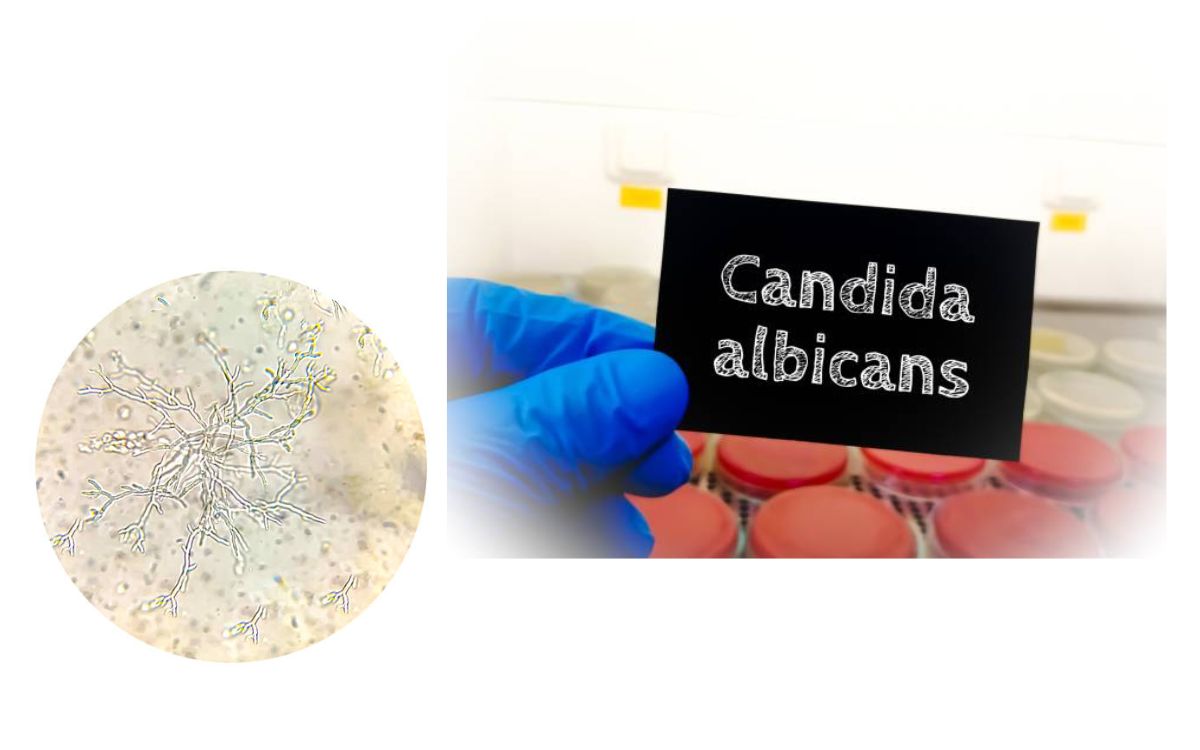
First, a quick introduction. The culprit behind most yeast infections is a fungus called Candida albicans. And here’s the kicker: it’s usually there all along. It lives quite peacefully in small amounts in your vaginal microbiome, a delicate ecosystem teeming with bacteria and other microorganisms. Think of it like a quiet roommate who mostly stays in their room and doesn’t cause trouble.
The real hero of this story is a bacterium called Lactobacillus. These good guys are the pillars of the community. They produce lactic acid and hydrogen peroxide, maintaining a slightly acidic environment in the vagina (a pH of around 3.8 to 4.5). This acidity is like a security system—it keeps the peace, preventing the Candida from throwing a wild, out-of-control party.
A yeast infection isn’t about a new germ showing up. It’s about the balance of power shifting. When the Lactobacillus population drops or the environment changes, Candida seizes the opportunity to multiply, form invasive structures, and cause all the classic symptoms: the itch that feels like a thousand tiny pinpricks, the thick, white discharge (often described as looking like cottage cheese), the redness, swelling, and that general feeling of misery.
So, what knocks this delicate ecosystem off its axis? The usual suspects are things like antibiotics (which indiscriminately wipe out good and bad bacteria), a weakened immune system, high-sugar diets (yeast loves a sugar rush), and, you guessed it, hormonal fluctuations.
The Hormonal Seesaw: Estrogen’s Double-Edged Sword ⚖️
Estrogen is a powerhouse hormone. It’s responsible for so much more than just your reproductive cycle—it influences your mood, your bone health, your skin, and the very health of your vaginal tissue. Specifically for the vagina, estrogen helps keep the tissue thick, elastic, and well-lubricated. It also promotes the production of glycogen, a type of sugar that serves as a stored fuel.
And here is where the plot thickens. Glycogen is food for the good Lactobacillus bacteria. That’s a good thing! But it’s also a potential feast for Candida. Estrogen, in a way, sets the table. When levels are balanced, there’s enough food for everyone, and the Lactobacillus keeps the Candida in check. But when estrogen levels surge or become dominant, it can lay out a veritable buffet, allowing yeast to grow out of control.
It’s not that estrogen is inherently “bad.” It’s that its presence directly alters the environment, making it more or less welcoming to yeast. This is why the risk of estrogen cause yeast infections isn’t a myth; it’s a matter of scale and circumstance.
Let’s look at the specific life stages where this hormonal seesaw is most active.
When You’re Expecting: The Pregnancy Surge 🤰
Pregnancy is a tidal wave of hormones, with estrogen and progesterone levels skyrocketing to support the growing baby. This high-estrogen state leads to a massive increase in vaginal glycogen. For many women, this creates the perfect storm for recurrent yeast infections. It’s incredibly common, but no less uncomfortable. If you’re pregnant and dealing with this, know that it’s a well-trodden path, but always, always talk to your doctor or midwife about safe treatment options.
The Pill and Beyond: Hormonal Contraception 💊
For some individuals, combination birth control pills (those containing both estrogen and progesterone) can increase the risk of yeast infections, especially when first starting out. The introduced hormones mimic a state that can encourage yeast growth. It doesn’t happen to everyone—bodies are wildly different—but it’s a recognized trigger. If you notice a pattern, it’s a conversation worth having with your gynecologist.
The Perimenopausal Puzzle: A Rollercoaster Ride 🎢
Can perimenopause cause yeast infections? Absolutely. Perimenopause is the years-long transition leading up to menopause, and it’s characterized by wild, unpredictable hormonal swings. Estrogen levels don’t just fall off a cliff; they spike and dip erratically. During those high-estrogen spikes, the classic yeast-friendly conditions can arise. It’s a confusing time because symptoms can be all over the map, and a woman might be dealing with signs of both high and low estrogen.
The Other Side of the Coin: The Menopause Drought 🏜️
Now, let’s flip the script entirely. While high estrogen can be a trigger, low estrogen is a whole different ballgame, and it’s a primary reason we see an increase in yeast infections in postmenopausal women and yeast infection in menopausal women.
As estrogen production plummets after menopause, the vaginal tissue undergoes significant changes, a condition known as genitourinary syndrome of menopause (GSM). The tissue becomes thinner, drier, less elastic, and more fragile. Blood flow decreases, and the population of protective Lactobacillus bacteria often declines. The vaginal environment becomes less acidic.
This might seem like it would discourage yeast, right? Less glycogen, less food. But the problem is that a weakened, thin, and fragile ecosystem has fewer defenses. It’s like a castle with crumbling walls—it’s easier for any invader, including Candida, to cause trouble. So, while the overall environment may be less inherently “yeast-friendly,” the lack of robust defenses means that when an infection does occur, it can be persistent and particularly uncomfortable. This is a crucial distinction in the world of yeast infection in older women and yeast infection in senior women.
Estrogen Dominance: When Balance is Lost 🔥
This concept is key to understanding the modern hormonal landscape. Estrogen dominance and yeast infection often go hand-in-hand. Estrogen dominance doesn’t necessarily mean your estrogen levels are astronomically high; it means that estrogen’s effects are not sufficiently balanced by progesterone.
This can happen due to:
-
Chronic Stress: High cortisol (the stress hormone) can pilfer progesterone to make more cortisol, upsetting the balance.
-
Exposure to Xenoestrogens: These are synthetic compounds in plastics, pesticides, and some cosmetics that mimic estrogen in the body.
-
Poor Liver Function: Your liver is responsible for metabolizing and clearing used estrogen. If it’s sluggish, estrogen can stick around longer.
-
Obesity: Fat cells produce and store estrogen.
In a state of estrogen dominance, the body is perpetually getting a “high estrogen” signal, which, as we’ve learned, can create that glycogen-rich environment where yeast thrives.
What About Progesterone? The Other Player 🧩
It’s only fair to ask, does progesterone cause yeast infections? Progesterone’s role is less direct. On its own, it’s not typically a primary trigger for yeast in the way high estrogen can be. However, it can contribute. High progesterone levels (like during pregnancy or the second half of your cycle) can cause a slight increase in vaginal pH, making it slightly less acidic and potentially less defensive. Some women anecdotally report yeast infections right before their period, when progesterone is dominant. Progesterone can also slightly suppress the immune system, which might create a window of opportunity for Candida. So while it’s not the main villain, it can be a supporting actor in the drama.
Hormone Replacement Therapy (HRT): A Complicated Fix 💉
For women navigating the symptoms of menopause, Hormone Replacement Therapy (HRT) can be a lifesaver. But it adds another layer to our question. The link between hormone replacement yeast infection is a real consideration.
-
Systemic HRT (pills, patches): These introduce estrogen (and sometimes progesterone) back into the body. For some women, this can re-create the high-estrogen conditions that encourage yeast, leading to infections.
-
Localized Vaginal Estrogen (creams, tablets, rings): This is a low-dose, targeted approach meant to treat vaginal dryness and GSM without significantly affecting the whole body. While it’s designed to restore health, some women can experience a yeast infection as their body adjusts to the new hormonal environment. It’s ironic—using estrogen to heal vaginal tissue can sometimes initially trigger the very problem you’re trying to avoid.
This doesn’t mean HRT is bad! It just means that if you’re on HRT and struggling with recurrent infections, it’s a critical piece of information to share with your doctor. They might adjust the dose, type, or delivery method.
Navigating the Itch: A Practical Guide to Prevention & Management 🗺️
Alright, we’ve talked about the why. Now, let’s get practical. What can you actually do about it?
When to See a Doctor: No Guessing Games! 🩺
This is non-negotiable. If this is your first suspected yeast infection, if your symptoms are severe, or if they keep coming back, see a healthcare provider. Other conditions, like bacterial vaginosis or STIs, can mimic yeast infections. Accurate diagnosis is the first step to effective treatment. This is especially crucial for yeast infection in older women, as atrophic tissue can present with similar symptoms of irritation.
Lifestyle Tweaks: Starve the Yeast, Support the Body 🌱
You have more power than you think. Small, consistent changes can make a world of difference in restoring balance.
-
Sugar & Refined Carbs are Fuel: Yeast loves sugar. Cutting back on sugary drinks, pastries, white bread, and pasta can literally starve the Candida, making it harder for it to thrive.
-
Embrace Probiotics: Replenish your army of good bacteria. You can do this through fermented foods (plain yogurt with live cultures, kefir, kimchi, sauerkraut) or a high-quality probiotic supplement. Look for strains specifically containing Lactobacillus.
-
Wear Breathable Clothing: Ditch the tight synthetic underwear and skinny jeans. Opt for cotton underwear and loose-fitting bottoms to keep the area cool and dry.
-
Practice Smart Hygiene: Avoid douches, scented sprays, and harsh soaps. They obliterate the good bacteria. Warm water and a mild, unscented soap for the external area are all you need. Always wipe from front to back.
Treatment Options at a Glance
Here’s a quick, personality-infused look at your main options for tackling a yeast infection.
| Treatment Type | What It Is & How It Works | The Vibe & Key Considerations |
|---|---|---|
| Over-the-Counter (OTC) Creams & Suppositories 🛒 | Antifungal medications (like Monistat, Clotrimazole) you insert vaginally. They directly target the yeast overgrowth. | The Quick Fix. Readily available and effective for many. Can be messy. Some formulations now come with external creams for instant (if temporary) itch relief. A solid first line of defense for an occasional, uncomplicated infection. |
| Oral Prescription (Diflucan) | ||
| 💊 | A single, oral pill (Fluconazole) your doctor prescribes. It works systemically throughout your body. | The Nuclear Option (in a good way!). Incredibly convenient—just one pill. No mess. But you need a doctor’s visit for a prescription. It can interact with other medications, so full disclosure with your doc is a must. |
| Boric Acid Suppositories 🧪 | A complementary treatment involving inserting a capsule filled with boric acid powder vaginally. It helps restore a healthy pH. | The Niche Specialist. Not a first-line treatment, but a game-changer for recurrent or resistant infections. CRUCIAL: Must be prescribed or recommended by a doctor. It is toxic if ingested orally and should never be used during pregnancy. |
| Natural & Holistic Approaches 🌿 | Things like probiotic suppositories, tea tree oil (with extreme caution), and garlic. The evidence is more anecdotal. | The Supportive Crew. Can be helpful as a complement to established treatments, not a replacement. Tread carefully. What works for one person may irritate another. Always, always patch test and talk to a professional. |
The Big Picture: Listening to Your Body’s Signals 💬
If you take one thing away from this, let it be this: a recurring yeast infection isn’t just bad luck. It’s a flare, a signal from your body that something is out of balance. It could be a hormonal imbalance like estrogen dominance and yeast infection, a gut issue, chronic stress, or a diet that’s not serving you.
Chasing the itch with endless OTC treatments without asking why is like mopping up the floor while the sink is still overflowing. You have to turn off the tap. For so many women, understanding that their hormones are the tap is the first, most empowering step.
So, can estrogen cause yeast infections? We’ve walked through the journey, and the answer is a resounding “it depends, but often, yes.” It can create the conditions yeast loves, especially when it’s surging or out of balance with progesterone. And on the flip side, a profound lack of it can leave your defenses down, making you vulnerable. It’s a delicate, intricate balance.
The goal isn’t to vilify estrogen—it’s an essential, life-sustaining hormone. The goal is to understand its rhythms and its power. By paying attention to the patterns in your own body—noticing if infections crop up during specific times in your cycle, during times of high stress, or during major life transitions like perimenopause—you become the expert on you. You gather the clues your doctor needs to help you find a lasting solution, moving beyond simply treating the infection to truly restoring your balance.