
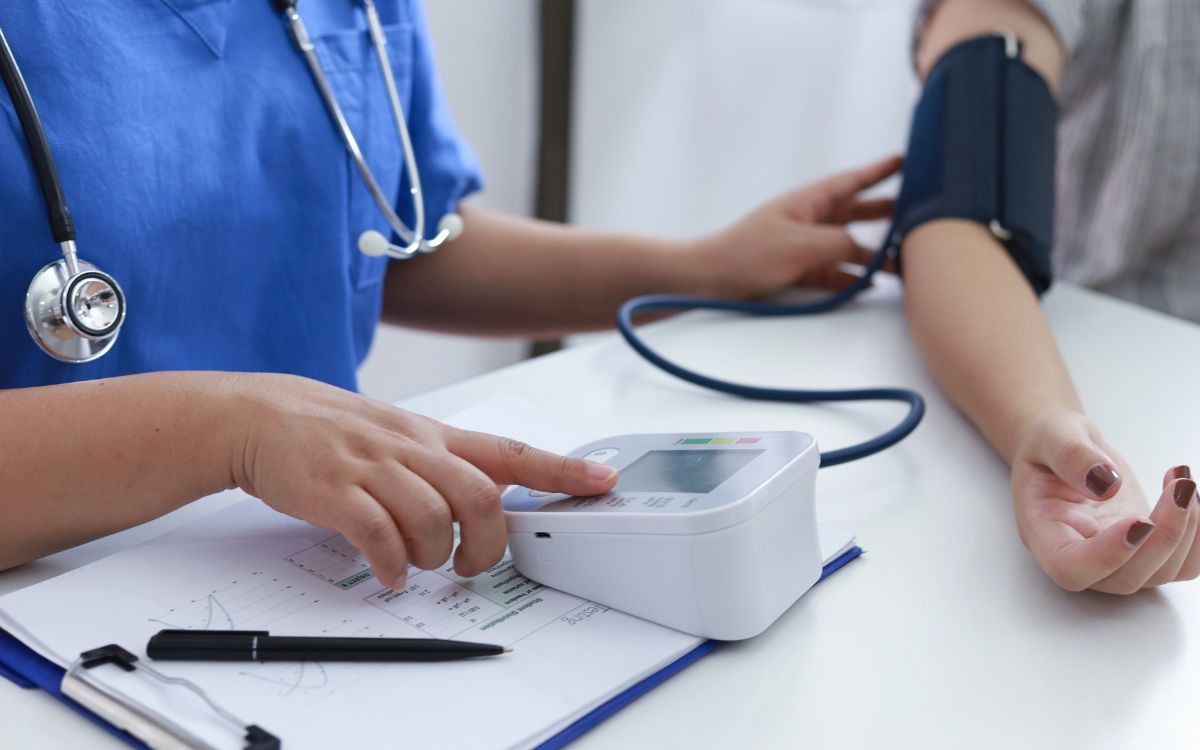
Yes, absolutely—high blood pressure (hypertension) can cause dizziness in seniors, and it’s a critically under-discussed risk. While many articles skim the surface, few dive into the unique mechanisms and actionable strategies relevant to aging bodies.
This isn’t just about “check your BP.” It’s about understanding why seniors are vulnerable, how everyday habits sabotage stability, and evidence-based solutions beyond generic advice. Let’s get into what truly works.
The Hidden Mechanics – Why Seniors Are at Unique Risk
Most sources miss age-specific factors. Here’s what’s rarely explained:
✅ Arterial Stiffening: The Silent Saboteur
As arteries age, they lose elasticity (arteriosclerosis). Think of hardened garden hoses. Consequently, when blood pressure spikes:
-
Stiff arteries can’t expand to cushion the flow.
-
This creates turbulent blood movement toward the brain.
-
Result: Sudden, brief drops in cerebral perfusion → dizziness.
🧠 Unique Insight: Unlike younger adults, seniors’ arteries don’t “bounce back.” A BP spike that’s harmless at 40 can cause dizziness at 70.
✅ Baroreceptor Dysfunction: Your Failing “Pressure Alarm”
Baroreceptors in neck arteries sense BP changes and signal the heart to adjust. However, aging dulls these sensors.
-
They respond slower to posture changes (e.g., sitting to standing).
-
Therefore, BP drops too low before correction → lightheadedness.
-
Notably, diabetes or Parkinson’s worsens this.
✅ Medication Double Whammy
Seniors often take 5+ medications. Specifically:
-
BP meds + diuretics + antidepressants = Triple dizziness risk.
-
Example: A beta-blocker slows heart rate, while a diuretic reduces blood volume. Combined? A perfect storm for orthostatic hypotension.
Beyond the Obvious – Overlooked Triggers in Daily Life
Forget “drink water.” These triggers evade most blogs:
✅ The “After-Meal Slump” (Postprandial Hypotension)
Eating diverts blood to digestion. In seniors:
-
Compromised baroreceptors can’t compensate.
-
Result: BP drops 20-30 mmHg within 30 mins of a meal → dizziness.
-
Solution: Eat smaller, low-carb meals. Avoid standing immediately after eating.
✅ Nighttime Over-Medication & “Morning Crashes”
Taking BP meds right before bed can backfire:
-
BP naturally dips overnight (nocturnal hypotension).
-
Adding meds exaggerates this dip.
-
Thus, upon waking, seniors experience severe dizziness.
-
Fix: Take meds in the early evening (under doctor supervision).
✅ Hidden Sodium Bombs Beyond Processed Foods
You know chips are salty. But what about?
-
Medications: Soluble painkillers (e.g., effervescent aspirin).
-
“Healthy” foods: Cottage cheese, canned beans, bread.
-
Solution: Use potassium-rich salt substitutes (if kidney-safe).
Cutting-Edge Management Strategies
Move beyond “reduce salt.” These tactics are clinically proven yet underutilized:
✅ The “10-10-10” Rule for Standing
Prevent orthostatic hypotension with this drill:
-
Sit for 10 seconds after waking.
-
Breathe deeply for 10 seconds (stimulates blood flow).
-
Slowly stand while squeezing thigh muscles for 10 seconds (boosts venous return).
💡 Why it works: Muscle pumping counters gravity’s effect on blood pooling.
✅ Tech-Assisted BP & Symptom Tracking
Don’t just log numbers. Find patterns:
| App Feature | Benefit for Seniors |
|---|---|
| Posture tracking | Links dizziness to sitting/standing |
| Medication reminders | Avoids double-dosing or skipped pills |
| Symptom diary | Correlates BP spikes with dizziness |
| Recommendation: Apps like Qardio or Withings Health Mate. |
✅ Targeted Balance-Boosting Exercises
Tai Chi is great, but these are lesser-known:
-
Heel-to-Toe Walking: Place heel directly in front of toes (improves proprioception).
-
Seated Ball Taps: Lightly tap a softball with each foot (enhances neural feedback).
-
Why? Falls from dizziness cause 3 million senior ER visits yearly.
Emergency Protocols – What Most Families Miss
Dizziness isn’t “just dizziness.” Act FAST if:
✅ The “BE-FAST” Stroke Checklist (Expanded)
| Letter | Symptom | Senior-Specific Sign |
|---|---|---|
| B | Balance loss | Sudden inability to stand even seated |
| E | Eyes blurry | Double vision lasting >2 minutes |
| F | Face drooping | Uneven smile with dizziness |
| A | Arm weakness | Can’t lift both arms equally |
| S | Speech difficulty | Slurring + confusion about time |
| T | TIME TO CALL 911 | Don’t wait. |
🚨 Critical: 70% of stroke-related dizziness is misattributed to “just getting older.”
Nutrition Hacks – Beyond “Low Salt”
Unique, science-backed tweaks:
✅ The Nitrate-Rich Veggie Strategy
Beets, spinach, and arugula convert to nitric oxide → relaxes arteries.
-
Study: Seniors consuming 250ml beetroot juice daily saw 7.2 mmHg BP drop in 4 weeks.
-
Tip: Add lemon juice to boost nitrate absorption.
✅ Magnesium Glycinate – The Calming Mineral
Magnesium deficiency worsens BP instability. Specifically:
-
Glycinate form absorbs best without laxative effects.
-
Dose: 200-400mg nightly (consult doctor first).
-
Bonus: Reduces anxiety-linked dizziness.
✅ Smart Hydration – Electrolytes Matter
Water alone dilutes sodium. Instead:
-
Add a pinch of Himalayan salt + lemon to water.
-
Or use sugar-free electrolyte tablets (e.g., Nuun).
-
Avoid: Sugary sports drinks (spike insulin → BP fluctuations).
Home & Environment Tweaks
Prevent falls with these unseen hazards:
✅ Lighting That Prevents “Spatial Disorientation”
-
Install motion-sensor night lights (blue/white light, NOT yellow – improves contrast sensitivity).
-
Use vertical tape strips on stair edges (helps depth perception).
-
Why? Poor lighting + dizziness = high fall risk.
✅ Flooring Fixes
-
Avoid high-pile carpets (trip hazard when unsteady).
-
Place non-slip rugs under dining chairs (catches dizziness upon standing).
✅ Furniture Rearrangement
-
Create “handhold highways” – rearrange sofas/tables for continuous support when walking.
-
Lower bed height: Feet should flatly touch the floor when seated on the edge.
Conclusion: Turning Knowledge into Stability
So, can high blood pressure cause dizziness in seniors? Unequivocally yes. But as you’ve seen, the solutions go far beyond pills and salt avoidance. From circadian medication timing to nitrate-rich diets and the 10-10-10 standing rule, you now hold strategies most seniors never hear.
Key Takeaways:
-
Track diligently: Use apps to link BP, meds, and dizziness.
-
Move strategically: Heel-to-toe walks build neural resilience.
-
Eat smart: Beets > bagels for BP stability.
-
Home-proof: Lighting and flooring save lives.
✨ Your Action Plan:
This week: Try the 10-10-10 standing rule.
Next month: Request a medication review with timing adjustments.
Always: Trust dizziness as a warning – never dismiss it.
Knowledge isn’t just power—it’s prevention. Share this guide to protect someone you love.