
Clinical Nutrition Brief
A New Contender in Diabetes Management
If you are trying to manage your diabetes, diet plays an important role. Among the dietary advice and superfood recommendations for diabetes management, a surprising new contender has emerged: mustard.
This condiment, a staple in kitchens worldwide, is now being rigorously studied for its potential benefits for individuals with diabetes, particularly those in the pre-diabetic stage.
But is mustard good for diabetics?
Let’s examine the recent research to understand the science.
Methodology & Design
The Cardiff Metropolitan Study
A groundbreaking study conducted by Dr. Ruth Fairchild at Cardiff Metropolitan University, funded by Tracklements, has brought mustard into the spotlight for individuals monitoring their blood sugar levels.
The Subjects
Focused on 42 individuals aged between 40 and 70, who were either overweight or clinically obese—primary factors that increase the risk of developing diabetes.
The Protocol
Participants consumed a heaped teaspoon of wholegrain mustard every night before bed over a 12-week period. It was consumed either alone or on a small cracker.
The Rationale
This consistent nighttime routine ensured the body could absorb the mustard component effectively without interference from other dietary foods consumed during the day.
What Was the Finding?
The clinical results were highly promising, demonstrating significant metabolic improvements across the board.
Overall Positive Response
At least 86% of participants experienced a significant drop in their blood glucose and/or cholesterol levels.
Blood Glucose Reduction
Nearly a quarter of the group saw a definitive reduction in blood glucose levels.
(Notably, three pre-diabetic individuals witnessed a dramatic 46% reduction).
Cholesterol Reduction
A 10% reduction in fasting blood cholesterol levels was observed among those who responded positively to the mustard—a heartening outcome for those at risk of cardiovascular diseases.
🔬
This clinical outcome strongly suggests that by simply incorporating wholegrain mustard into our nightly diet, we may be able to replicate a similar metabolic benefit on a much larger scale.
The Mechanisms
How Does Mustard Help Diabetes?
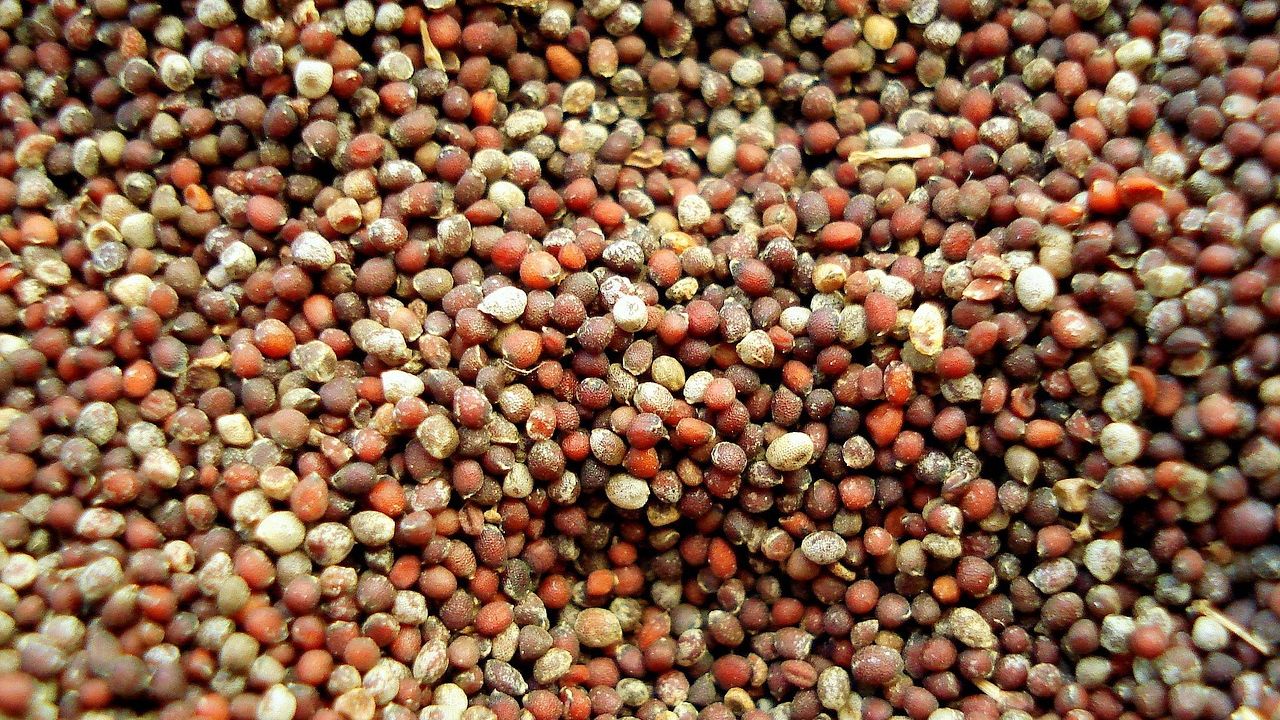
While the study didn’t dive deeply into the intricate mechanisms behind mustard’s effects, it’s well known that mustard seeds are nutritional powerhouses.
They are exceptionally rich in:
- ✦
Antioxidants - ✦
Essential Minerals - ✦
Omega-3 Fatty Acids
These components may collectively contribute to better blood glucose control and a healthier lipid profile.
The reduction in cholesterol levels observed in the study is particularly beneficial. High cholesterol is a common comorbidity for people with diabetes, significantly increasing the risk of heart disease.
Caution & Future Directions
Dr. Fairchild’s study is a pioneering step towards understanding the potential health benefits of wholegrain mustard for individuals with pre-diabetes. However, she heavily emphasizes the need for caution and further peer-reviewed research.
People currently being treated for diabetes should NOT discontinue their prescribed medications in favor of mustard. Always discuss these study findings with your primary physician first.
The Final Verdict
Is Mustard Good for Diabetics?
Based on Dr. Fairchild’s study, wholegrain mustard shows distinct promise as a beneficial addition to the diet of individuals with pre-diabetes, potentially aiding in the reduction of both blood sugar and cholesterol levels.
While you should keep in mind that mustard alone is not a cure-all, its inclusion in your diet could offer excellent supplementary support. In essence, mustard may offer benefits, but it’s just one piece of the larger puzzle of diabetes management.
The true cornerstones for managing your diabetes remain:
- ✓ A Balanced Diet
- ✓ Regular Exercise
- ✓ Adherence to Medical Advice
How Useful Was This Post?
Click on a star to rate it!
Average rating 5 / 5. Vote count: 1