How to Choose the Right Absorbency Incontinence Brief
You wear protection. But wetness still comes through. It feels bad. It stains clothes. It makes you worry. The problem is often simple. You need to know how to choose the right absorbency incontinence brief.
The wrong choice causes trouble. Too little absorbency means leaks. Embarrassment follows. Too much absorbency is bulky. It feels like a diaper. It can rub your skin. Rash happens. You spend more money than needed. Your skin suffers. Your confidence falls.
This is not about just any incontinence product. It is about the right one. The correct absorbency level stops leaks. It gives you freedom. It keeps your skin healthy. It feels less bulky. It saves money. It brings back your dignity.
Tea Burn Ingredients: Does It Work?
Many people struggle with weight. Over two-thirds of U.S. adults find it hard. Supplements like Tea Burn promise help. They use natural ingredients. Green tea is one. But what makes Tea Burn work?
Americans want answers. Forty-five percent try to lose weight. Fifteen percent use supplements. Tea Burn’s formula blends green tea’s power with other plant extracts. It claims to boost metabolism. It claims to fight fat. But ingredients matter.
Green tea cuts cancer risk. It lowers cholesterol. It may slow Parkinson’s. Yet, supplements can confuse. Dozens of compounds hide in weight loss products. Side effects matter. Dosages matter.
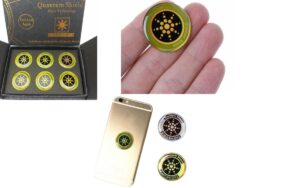
Quantum Shield Sticker Does It Work: Here’s the Truth
Let’s be real. You’re here because you’ve heard about the Quantum Shield Sticker. Maybe a late-night ad caught your eye, or a friend swears it cured their headaches.
Your phone is practically grafted to your hand, your home is a web of Wi-Fi signals, and that low-grade hum of modern anxiety is always there.
What if a simple, little sticker could silence it? What if it was all that stood between you and the invisible soup of electromagnetic fields we all live in?
I get it. I really do. The promise is intoxicating.
But before you click “add to cart,” let’s take a deep breath together. We’re going on a journey—not of hype, but of clarity. We’ll dig into the wild claims, the fascinating science (and pseudoscience), and the very human reasons we want to believe in a simple fix.
This isn’t about mocking anyone’s concerns. It’s about arming you with something far more powerful than a sticker: the truth.
Eggs from Backyard Chickens – Fresh, Simple, Good
The sun rises. The chickens stir. You walk out back, still damp with dew, and lift the coop door. The nests are warm. Brown eggs, white eggs, sometimes blue. You take them in your hand. They are firm. They are real.
Nothing tastes like eggs from backyard chickens. Not the store-bought kind. Not the pale ones in cardboard cartons. These are different. The yolks are deep gold. The whites stand tall. You crack one into the pan. It sizzles.
Growing Chickens for Eggs: A Simple Guide For Beginners
Morning comes. The sun rises. You walk outside. Warm eggs wait in the nest.
Raising chickens for eggs is not hard. It is real. It is good. You need space. You need time. You need to care. The reward is golden yolks, cracked open in your kitchen.
Start with research. Know the rules. Build a strong coop. Pick calm hens—Rhode Island Reds, Leghorns, Australorps. Feed them well. Grains, greens, clean water. Collect eggs daily. Keep them cool.
Do EMF Stickers That Actually Work Exist? Let’s Find Out
Worried about EMF radiation from your phone or laptop? You’re not alone. Searches for “EMF stickers that actually work” are rising as people seek protection from electromagnetic fields. But with countless anti-radiation stickers, shields, and EMF neutralizers flooding the market, it’s hard to know what’s real.
As an EMF safety reviewer who has tested over 100 products—from radiation-blocking phone cases to EMF-shielding clothing—I’ve learned one thing: testing EMF stickers is tricky. Why? Most products I recommend create a physical barrier against radiation, which is easy to measure. But stickers? They often claim to “neutralize” or “harmonize” EMF using hidden technology—claims that are nearly impossible to verify with basic tools.